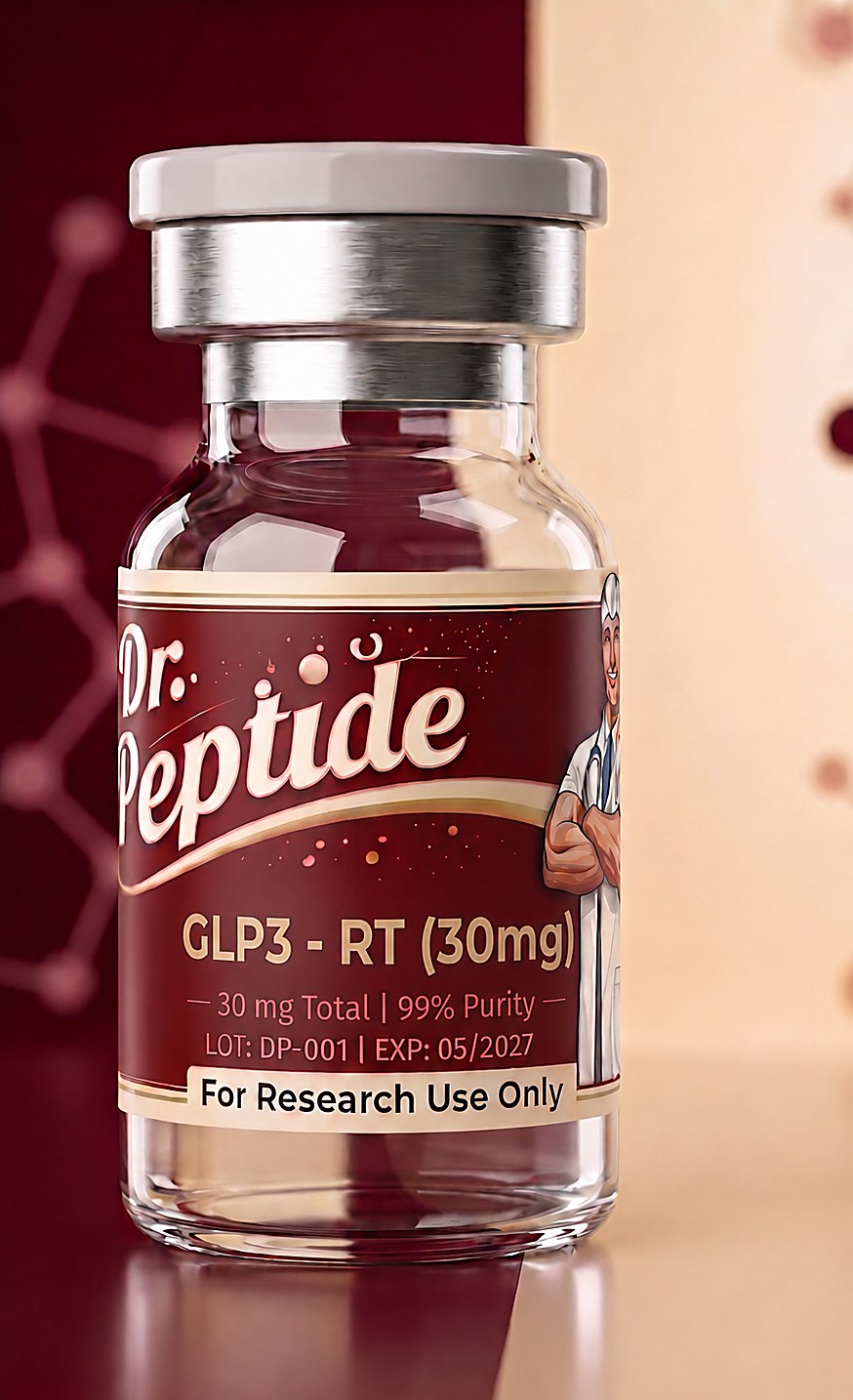
GLP3-RT (30mg)
Research overview
GLP3-RT is a synthetic peptide engineered to engage the glucagon, GIP, and GLP-1 receptors simultaneously. It appears in peer-reviewed metabolic-research literature on multi-receptor pharmacology and cellular energy metabolism. This vial supplies 30mg of lyophilized GLP3-RT, sealed and supplied strictly for in-vitro laboratory research — not for human or veterinary use. Published studies →
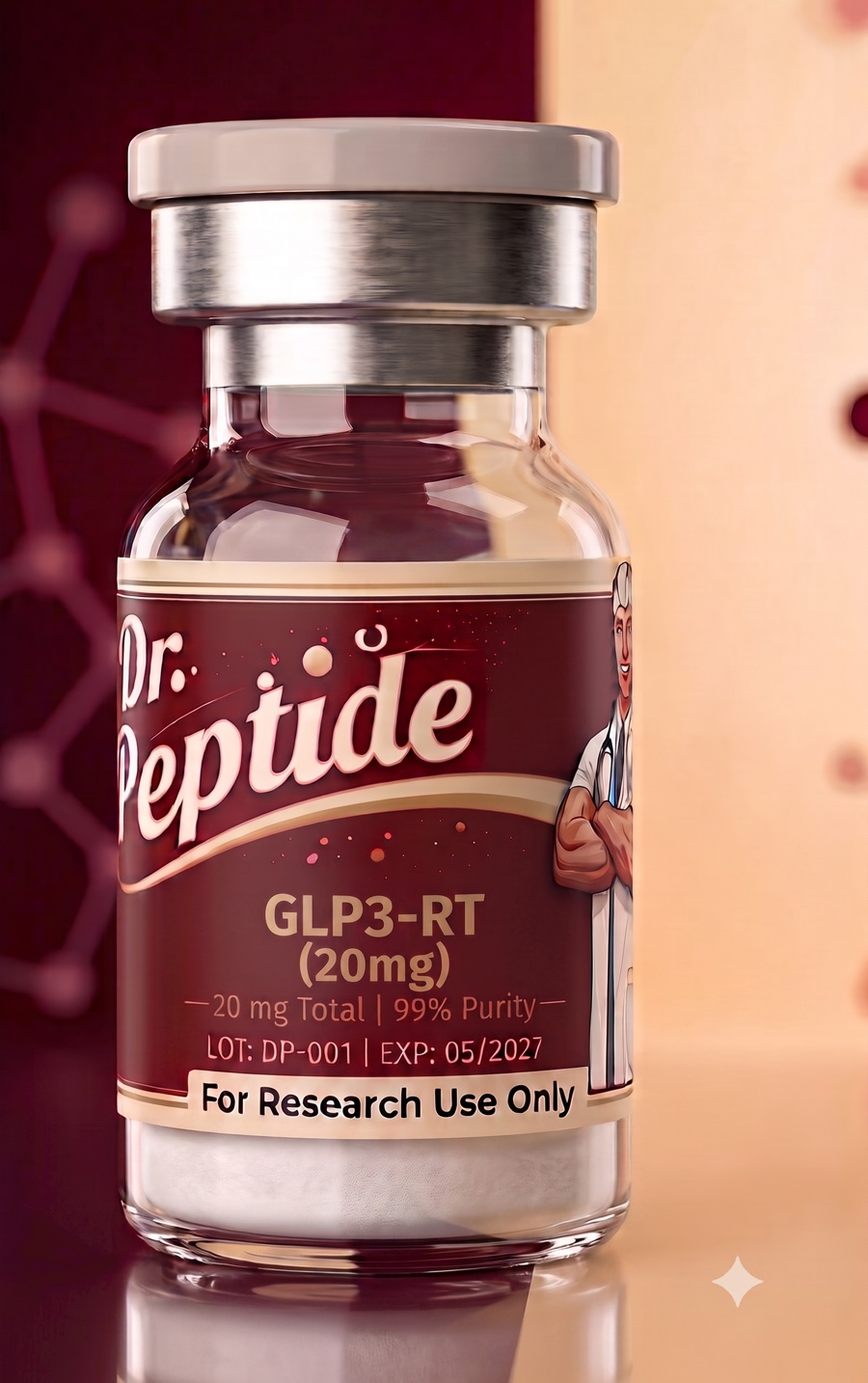
GLP3-RT (20mg)
Research overview
GLP3-RT is a synthetic peptide engineered to engage the glucagon, GIP, and GLP-1 receptors simultaneously. It appears in peer-reviewed metabolic-research literature on multi-receptor pharmacology and cellular energy metabolism. This vial supplies 20mg of lyophilized GLP3-RT, sealed and supplied strictly for in-vitro laboratory research — not for human or veterinary use. Published studies →
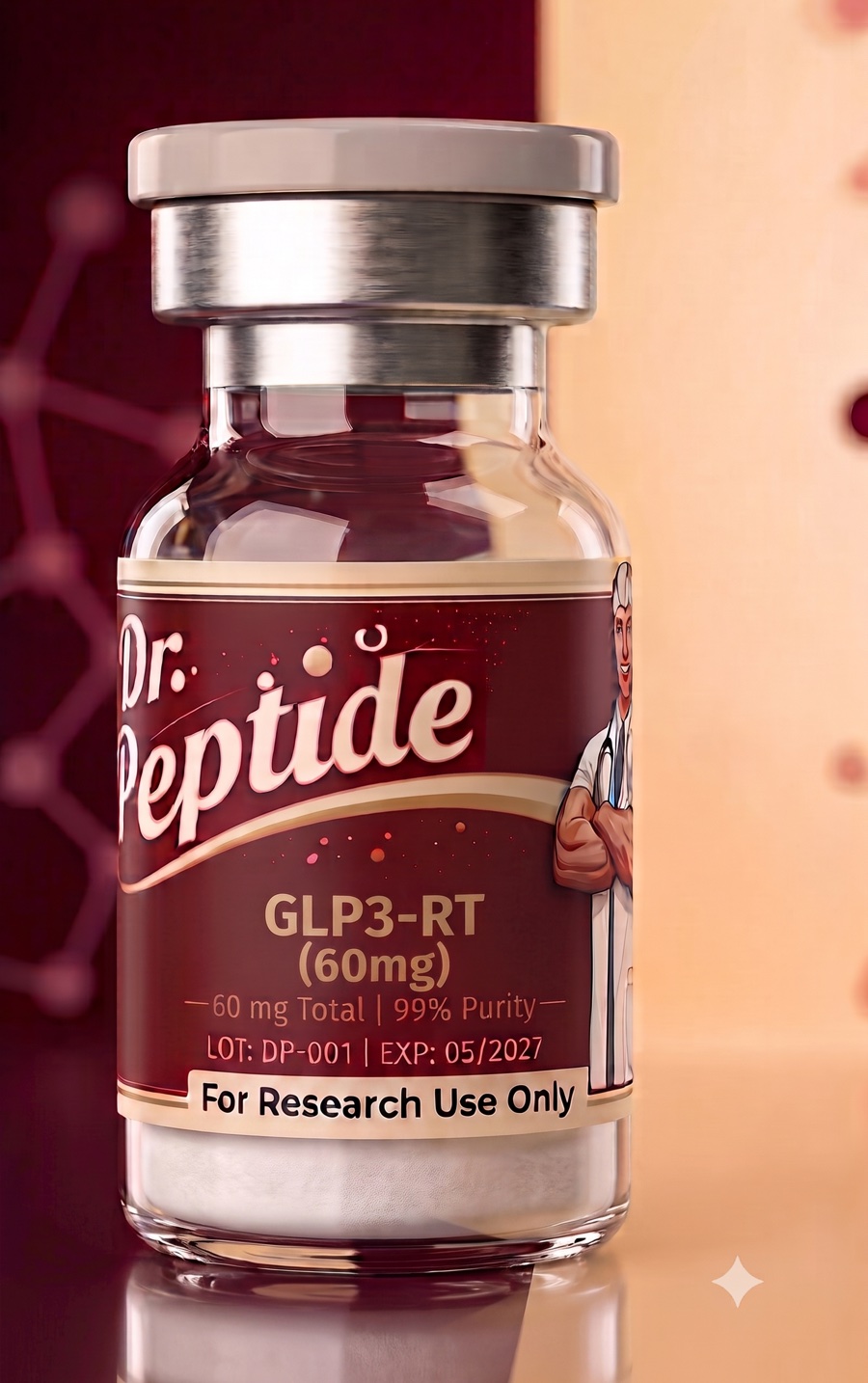
GLP3-RT (60mg)
Research overview
GLP3-RT is a synthetic peptide engineered to engage the glucagon, GIP, and GLP-1 receptors simultaneously. It appears in peer-reviewed metabolic-research literature on multi-receptor pharmacology and cellular energy metabolism. This vial supplies 60mg of lyophilized GLP3-RT, sealed and supplied strictly for in-vitro laboratory research — not for human or veterinary use. Published studies →
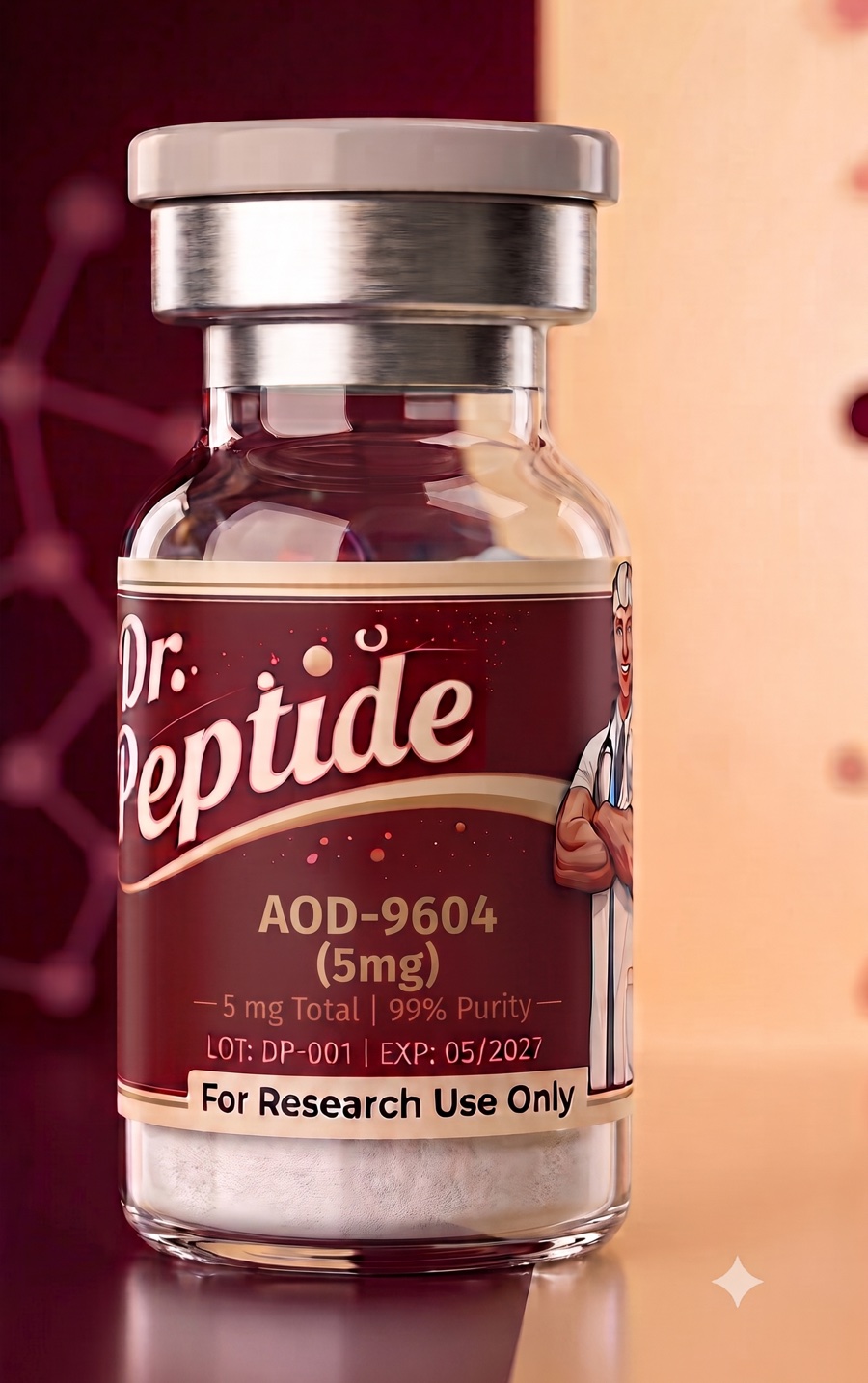
AOD-9604 (5mg)
Research overview
AOD-9604 is a synthetic fragment corresponding to the C-terminal region (176–191) of human growth hormone. It is examined in published metabolic and lipid-biology research. This vial supplies 5mg of lyophilized AOD-9604, sealed and supplied strictly for in-vitro laboratory research — not for human or veterinary use. Published studies →
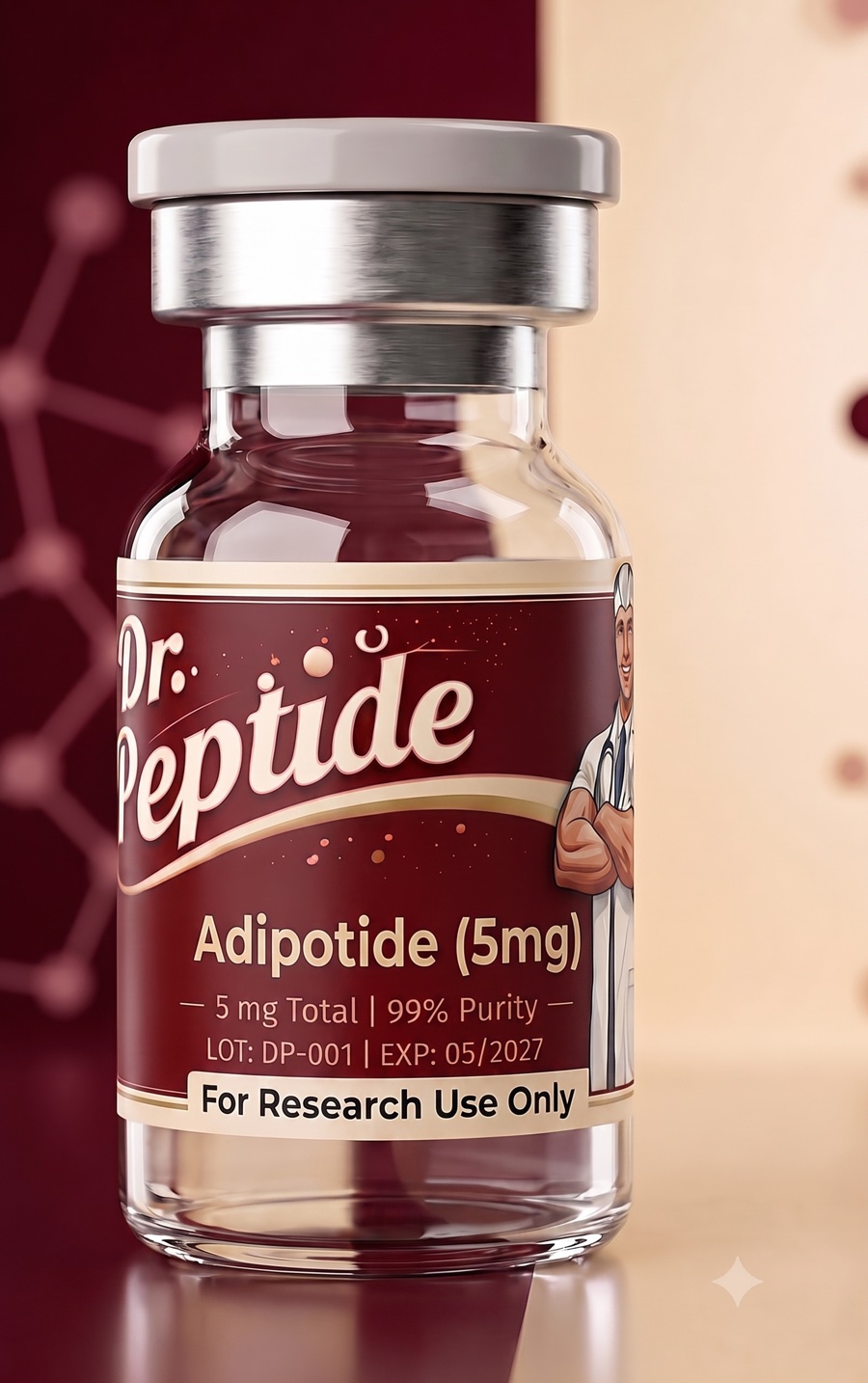
Adipotide (5mg)
Research overview
Adipotide is a peptidomimetic compound designed to target the vasculature of adipose tissue. It features in published adipose-tissue and vascular-targeting research. This vial supplies 5mg of lyophilized Adipotide, sealed and supplied strictly for in-vitro laboratory research — not for human or veterinary use. Published studies →
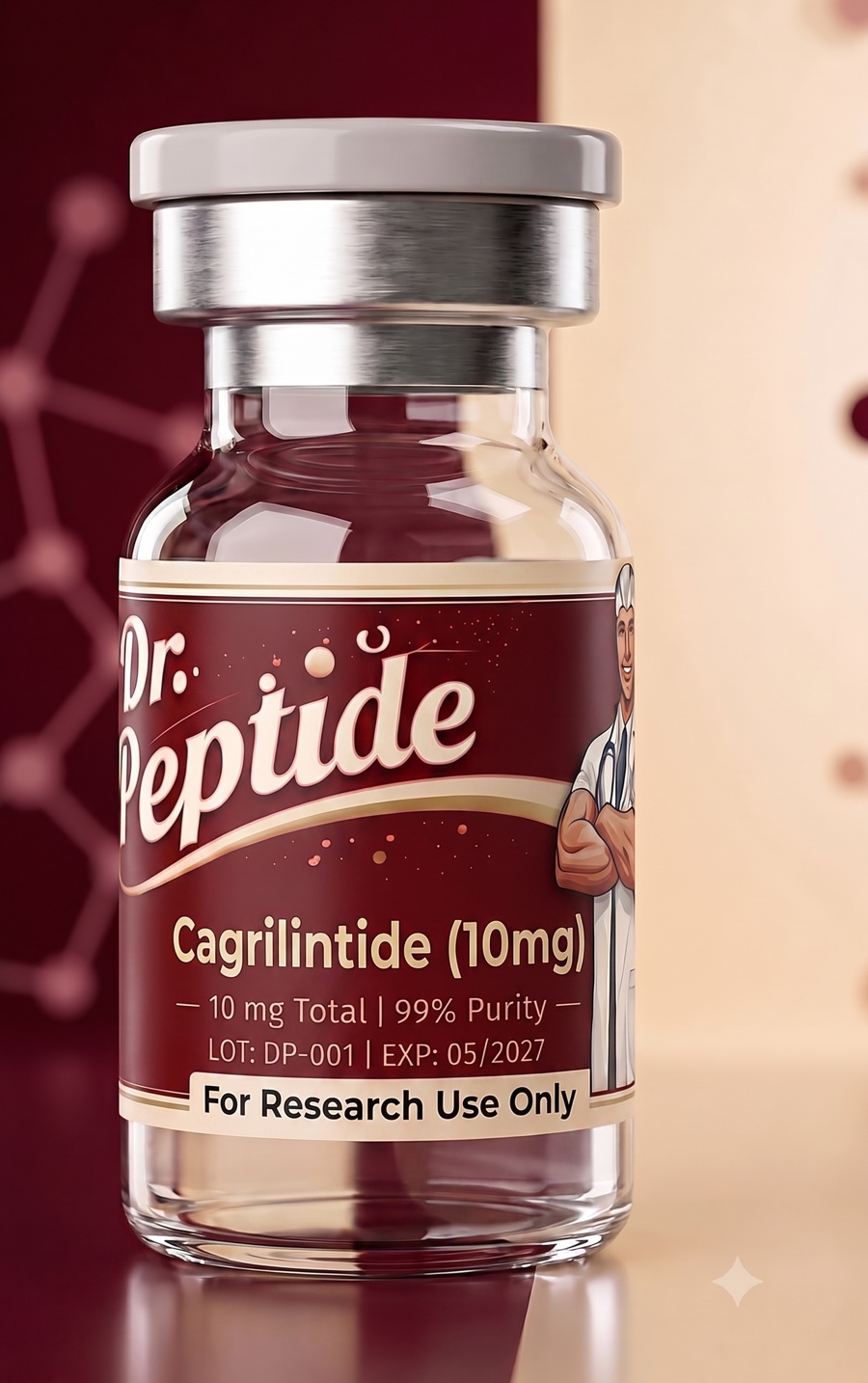
Cagrilintide (10mg)
Research overview
Cagrilintide is a long-acting synthetic analog of the pancreatic hormone amylin. It is studied in peer-reviewed literature on amylin-receptor signaling and metabolic regulation. This vial supplies 10mg of lyophilized Cagrilintide, sealed and supplied strictly for in-vitro laboratory research — not for human or veterinary use. Published studies →
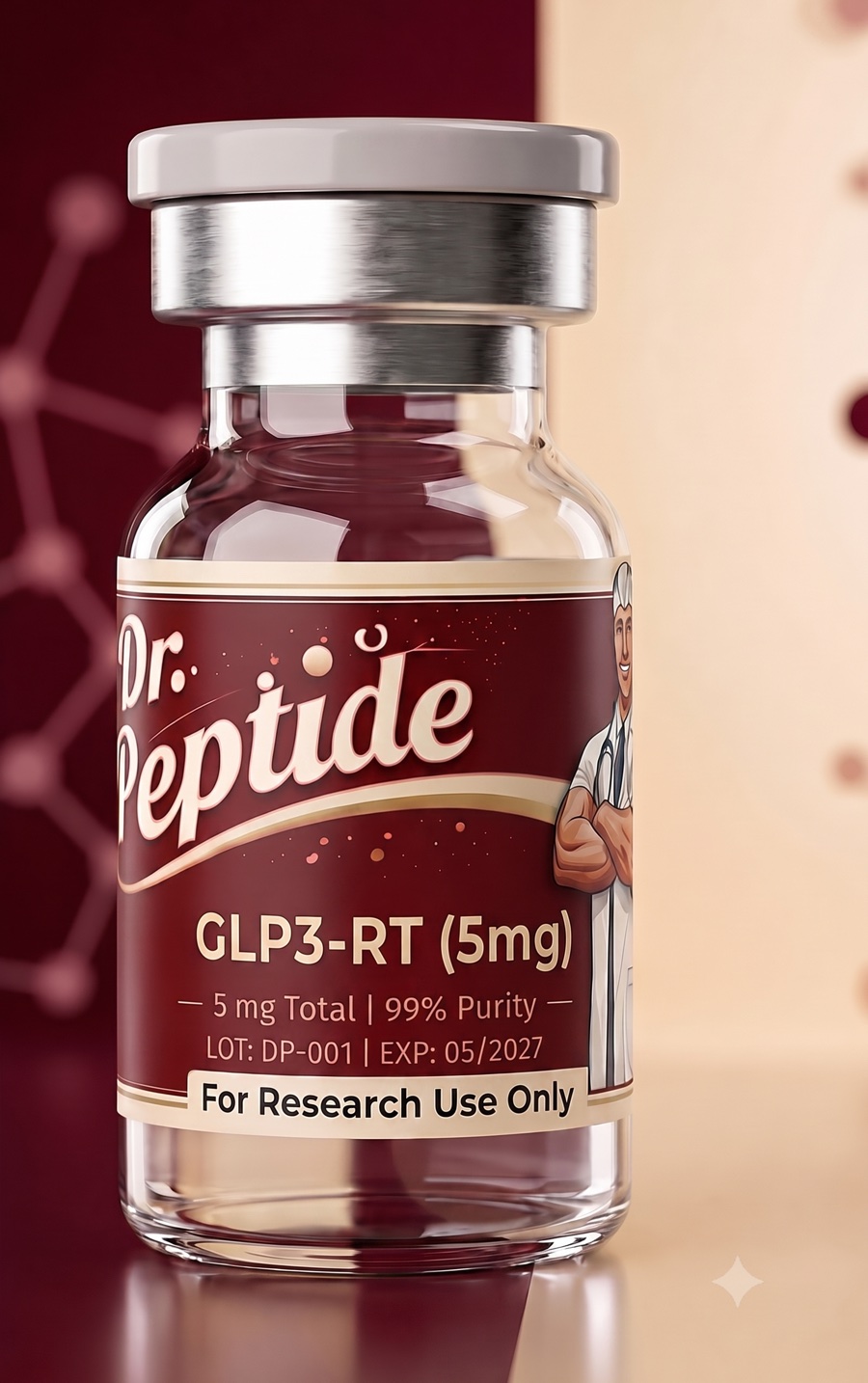
GLP3-RT (5mg)
Research overview
GLP3-RT is a synthetic peptide engineered to engage the glucagon, GIP, and GLP-1 receptors simultaneously. It appears in peer-reviewed metabolic-research literature on multi-receptor pharmacology and cellular energy metabolism. This vial supplies 5mg of lyophilized GLP3-RT, sealed and supplied strictly for in-vitro laboratory research — not for human or veterinary use. Published studies →
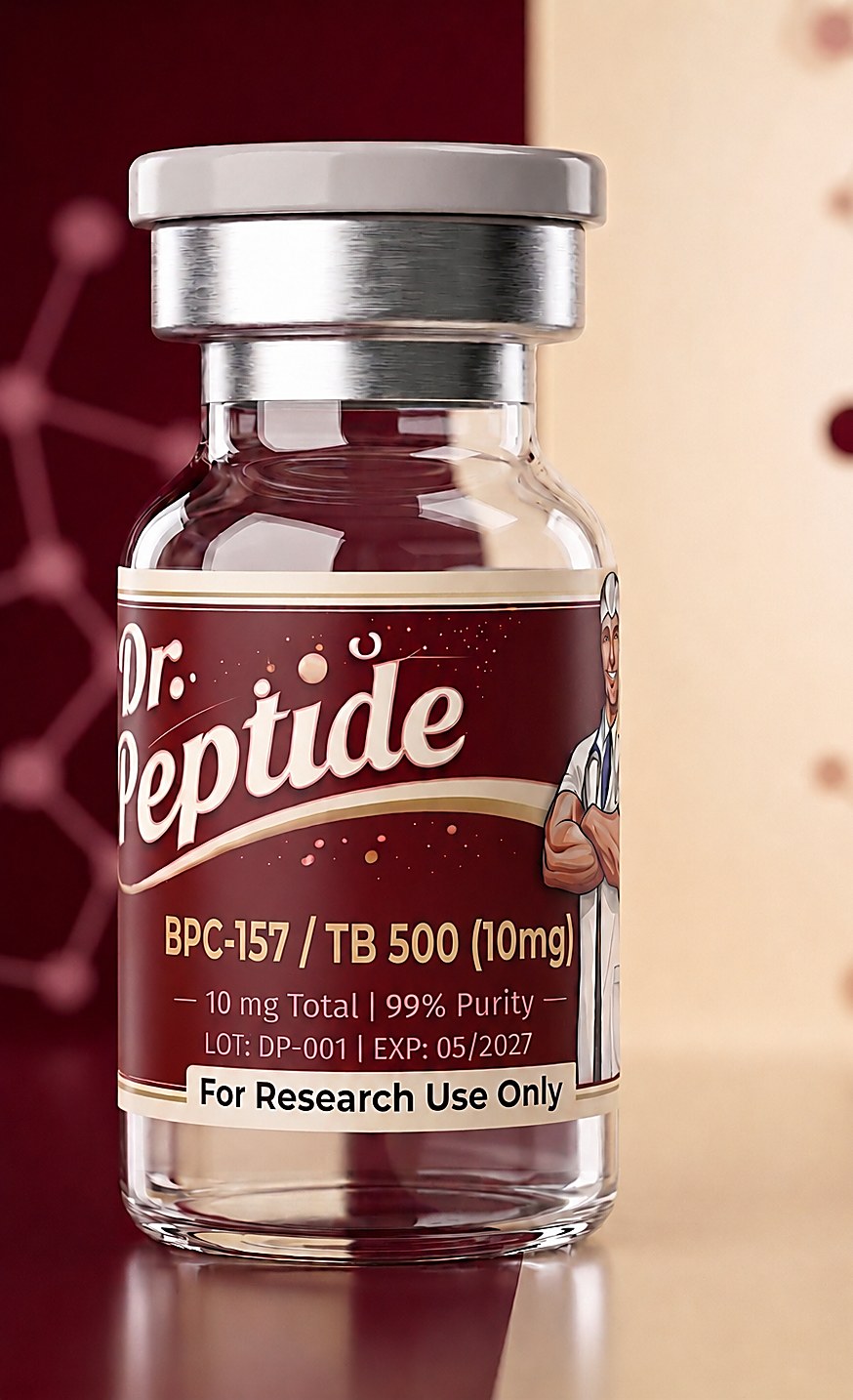
Blend: BPC-157 (10mg) / TB-500 (10mg)
Research overview
A combination research vial containing BPC-157, TB-500 at 10mg of each peptide. BPC-157 is a synthetic 15-amino-acid peptide derived from a protein found in gastric juice. TB-500 is a synthetic fragment of thymosin beta-4, a naturally occurring actin-binding protein. Each constituent has its own body of peer-reviewed literature; all components are supplied lyophilized in a sealed vial, strictly for laboratory research use. Published studies →
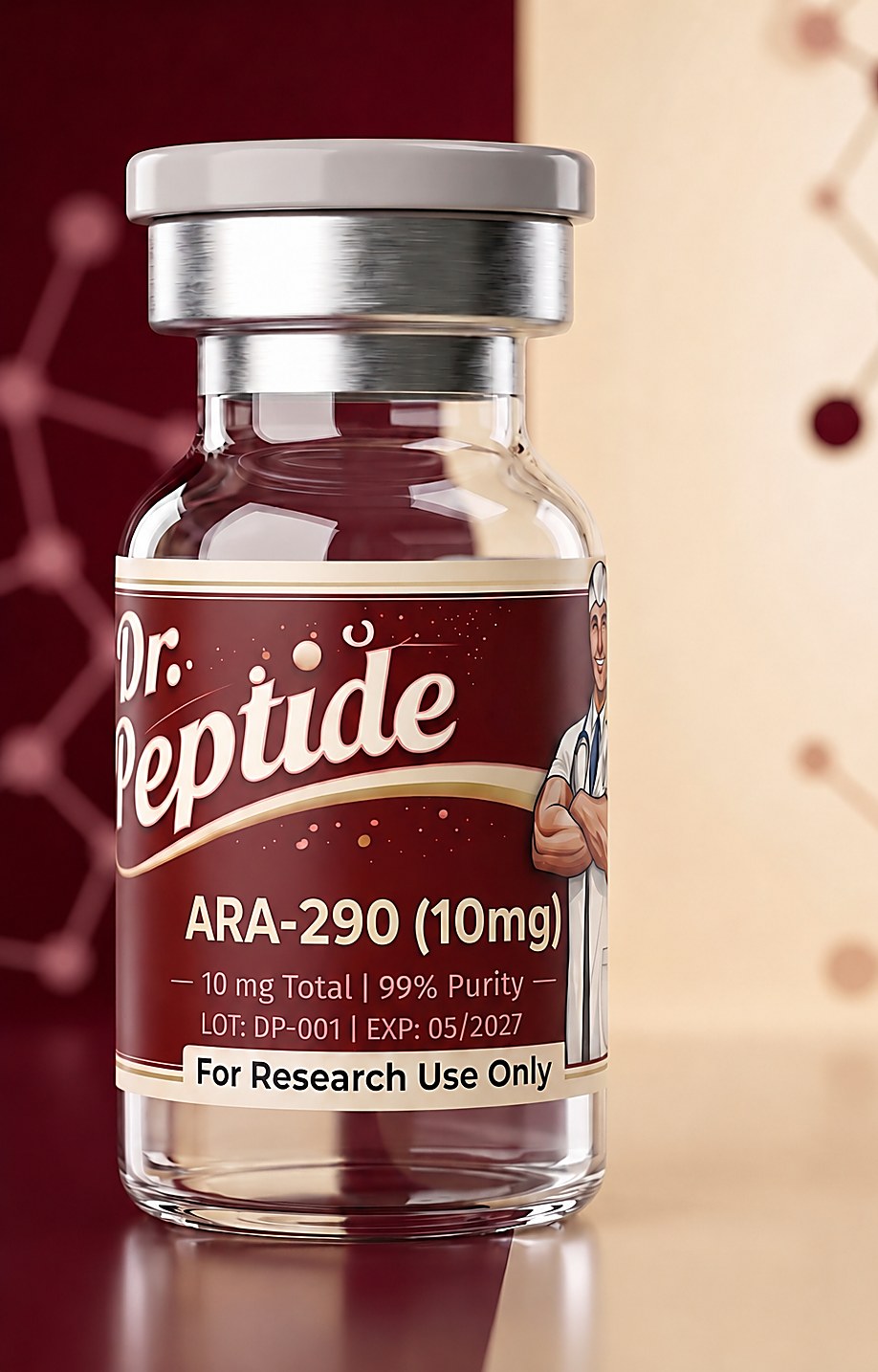
ARA-290 (10mg)
Research overview
ARA-290 is a synthetic peptide derived from the tertiary structure of erythropoietin. It is examined in published innate-repair-receptor research. This vial supplies 10mg of lyophilized ARA-290, sealed and supplied strictly for in-vitro laboratory research — not for human or veterinary use. Published studies →
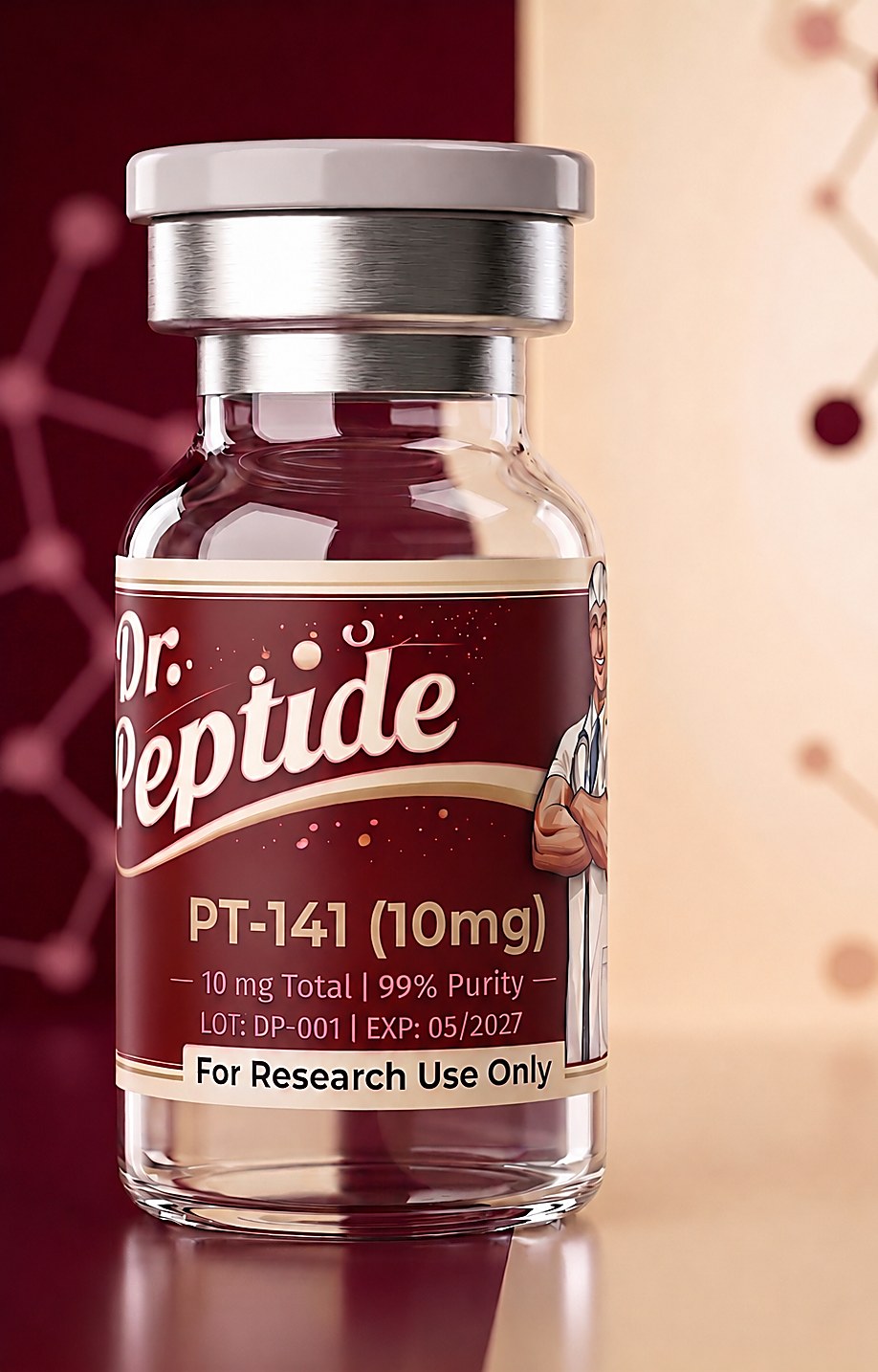
PT-141 (10mg)
Research overview
PT-141 is a cyclic heptapeptide melanocortin-receptor agonist. It is studied in published receptor-signaling research on the melanocortin system. This vial supplies 10mg of lyophilized PT-141, sealed and supplied strictly for in-vitro laboratory research — not for human or veterinary use. Published studies →
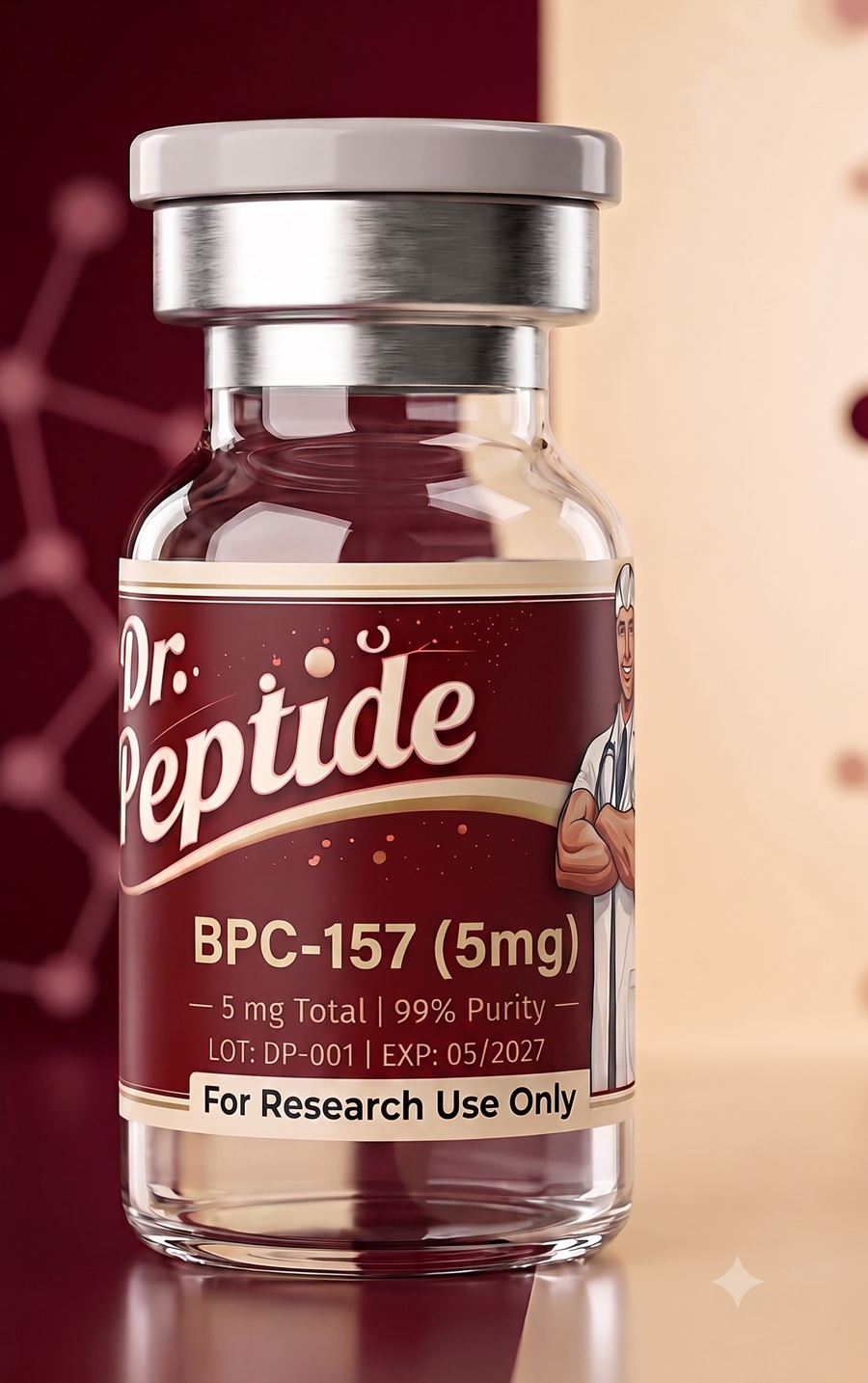
BPC-157 (5mg)
Research overview
BPC-157 is a synthetic 15-amino-acid peptide derived from a protein found in gastric juice. It is the subject of a substantial body of published research in tissue biology and cytoprotection models. This vial supplies 5mg of lyophilized BPC-157, sealed and supplied strictly for in-vitro laboratory research — not for human or veterinary use. Published studies →
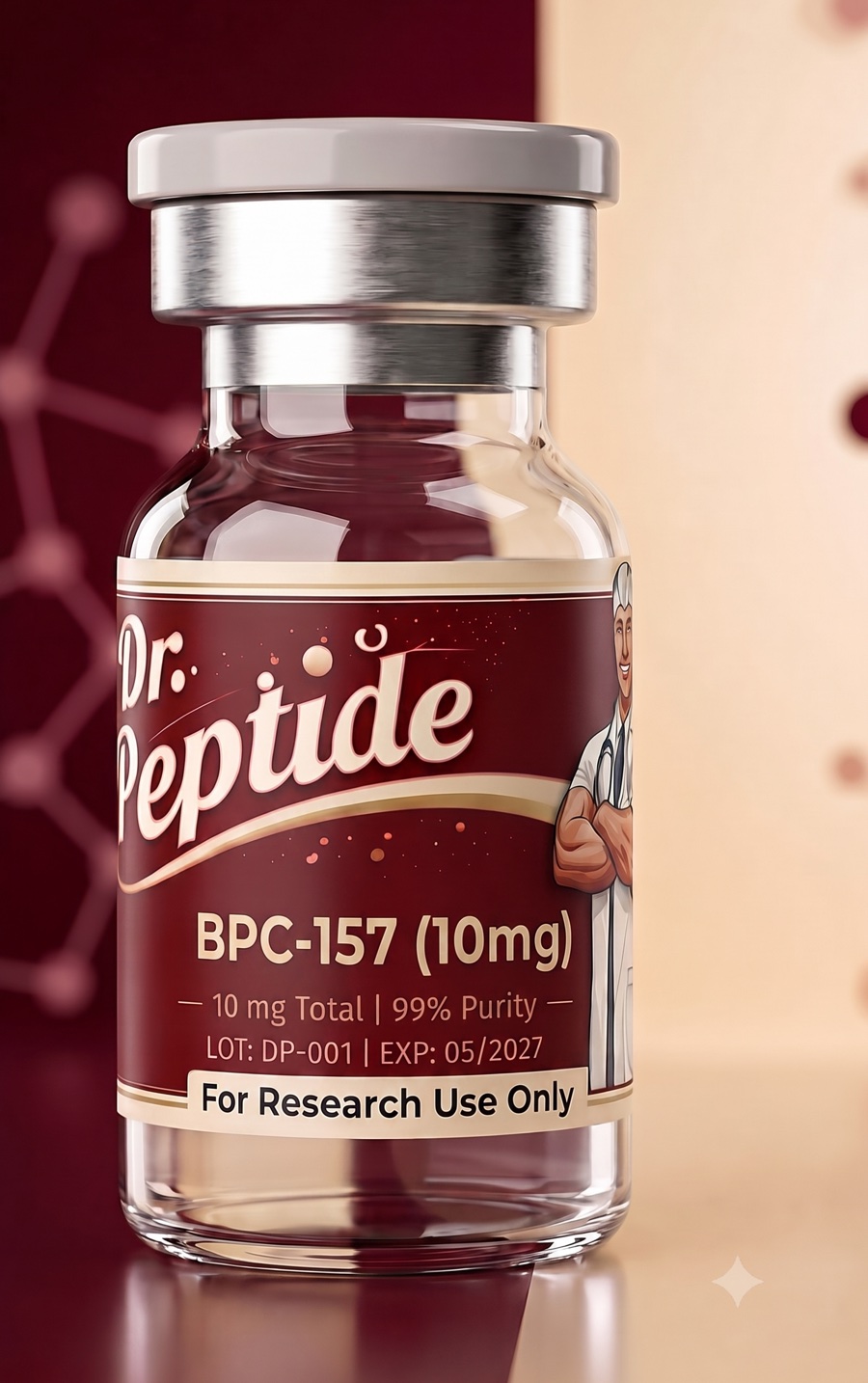
BPC-157 (10mg)
Research overview
BPC-157 is a synthetic 15-amino-acid peptide derived from a protein found in gastric juice. It is the subject of a substantial body of published research in tissue biology and cytoprotection models. This vial supplies 10mg of lyophilized BPC-157, sealed and supplied strictly for in-vitro laboratory research — not for human or veterinary use. Published studies →
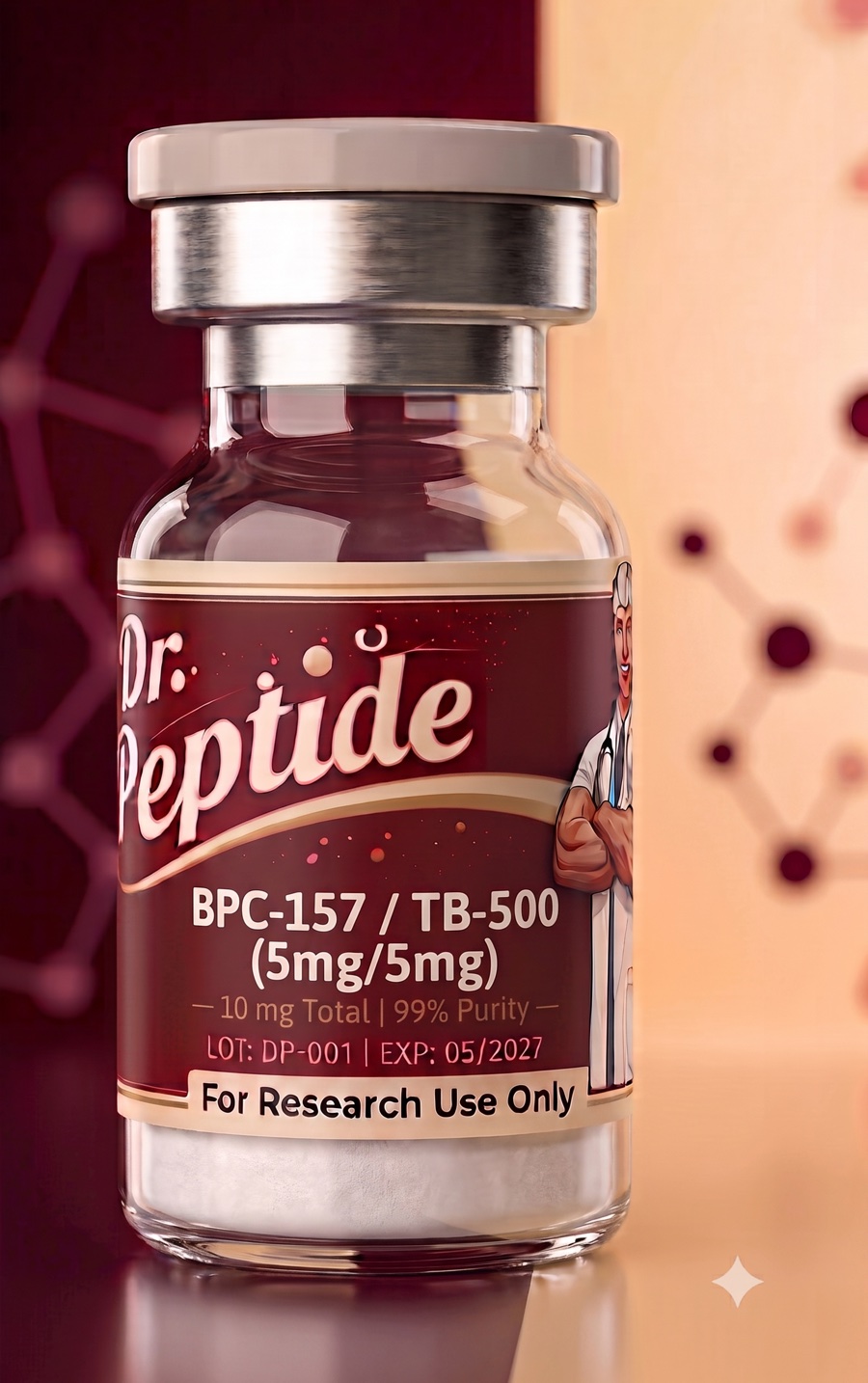
Blend: BPC-157 (5mg) / TB-500 (5mg)
Research overview
A combination research vial containing BPC-157, TB-500 at 5mg of each peptide. BPC-157 is a synthetic 15-amino-acid peptide derived from a protein found in gastric juice. TB-500 is a synthetic fragment of thymosin beta-4, a naturally occurring actin-binding protein. Each constituent has its own body of peer-reviewed literature; all components are supplied lyophilized in a sealed vial, strictly for laboratory research use. Published studies →
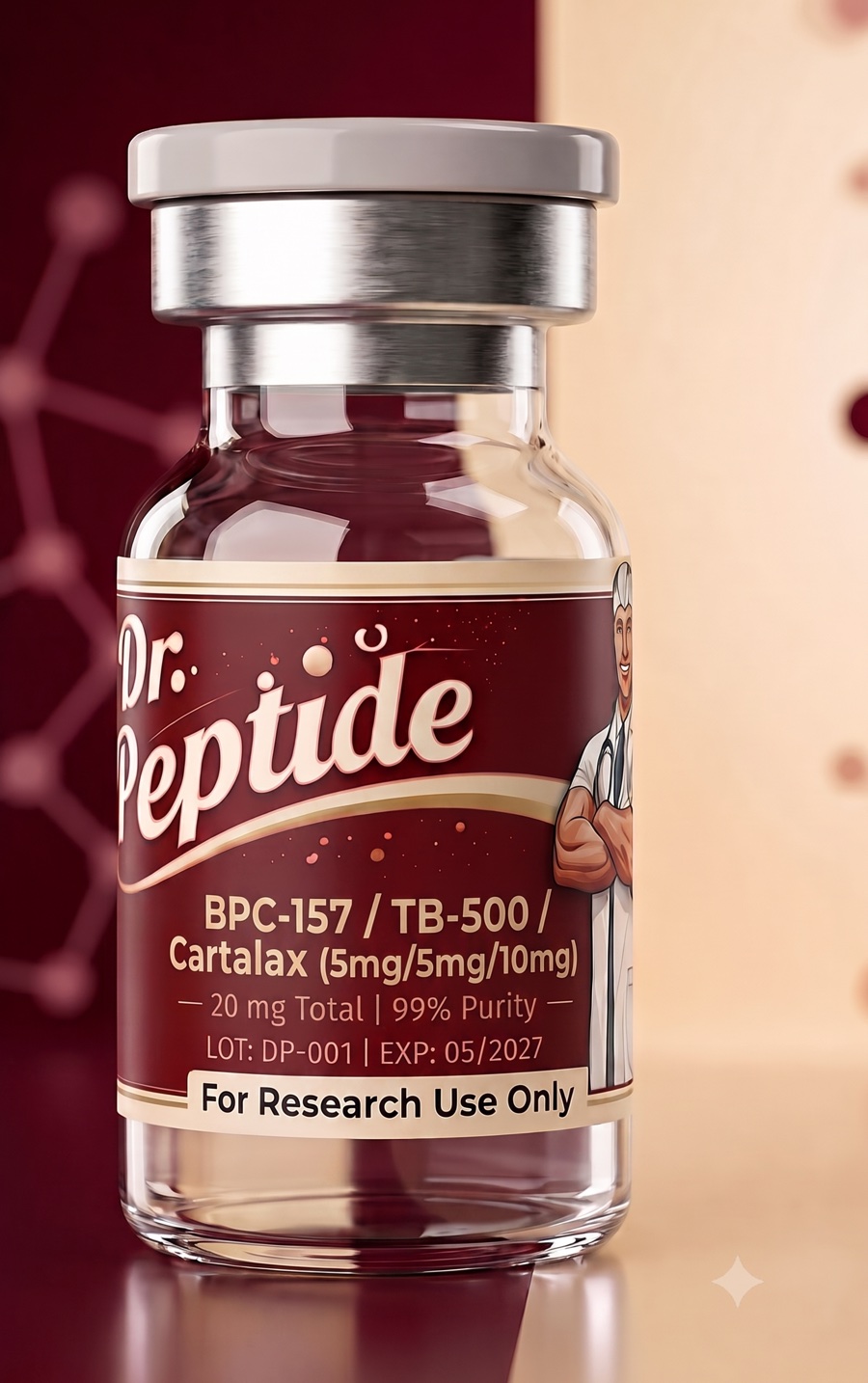
Blend: BPC-157 (5mg) / TB-500 (5mg) / Cartalax (10mg)
Research overview
A combination research vial containing BPC-157, TB-500, Cartalax at 5mg / 5mg / 10mg respectively. BPC-157 is a synthetic 15-amino-acid peptide derived from a protein found in gastric juice. TB-500 is a synthetic fragment of thymosin beta-4, a naturally occurring actin-binding protein. Each constituent has its own body of peer-reviewed literature; all components are supplied lyophilized in a sealed vial, strictly for laboratory research use. Published studies →
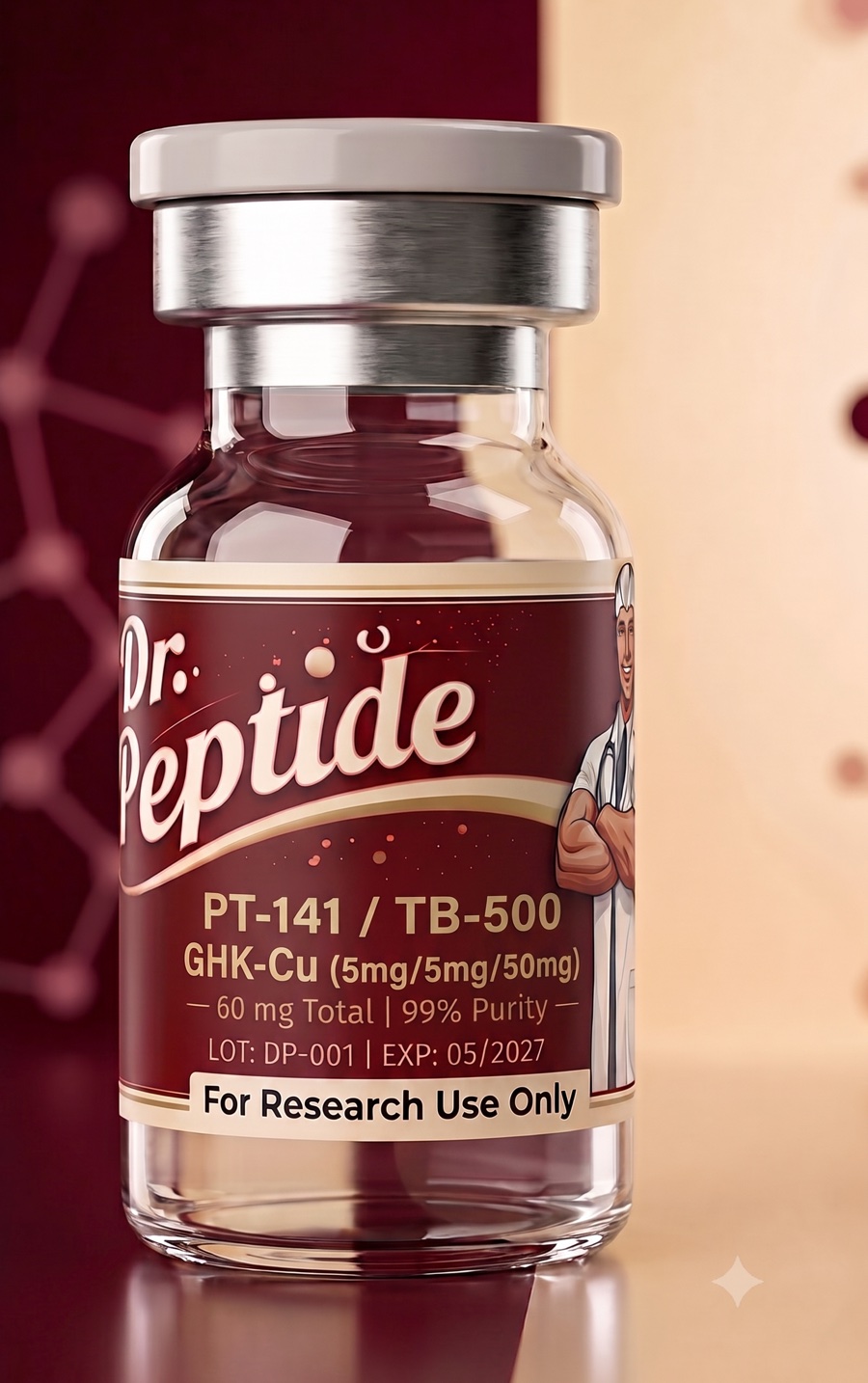
Blend: PT-141 (5mg) / TB-500 (5mg) / GHK-Cu (50mg)
Research overview
A combination research vial containing PT-141, TB-500, GHK-Cu at 5mg / 5mg / 50mg respectively. PT-141 is a cyclic heptapeptide melanocortin-receptor agonist. TB-500 is a synthetic fragment of thymosin beta-4, a naturally occurring actin-binding protein. Each constituent has its own body of peer-reviewed literature; all components are supplied lyophilized in a sealed vial, strictly for laboratory research use. Published studies →
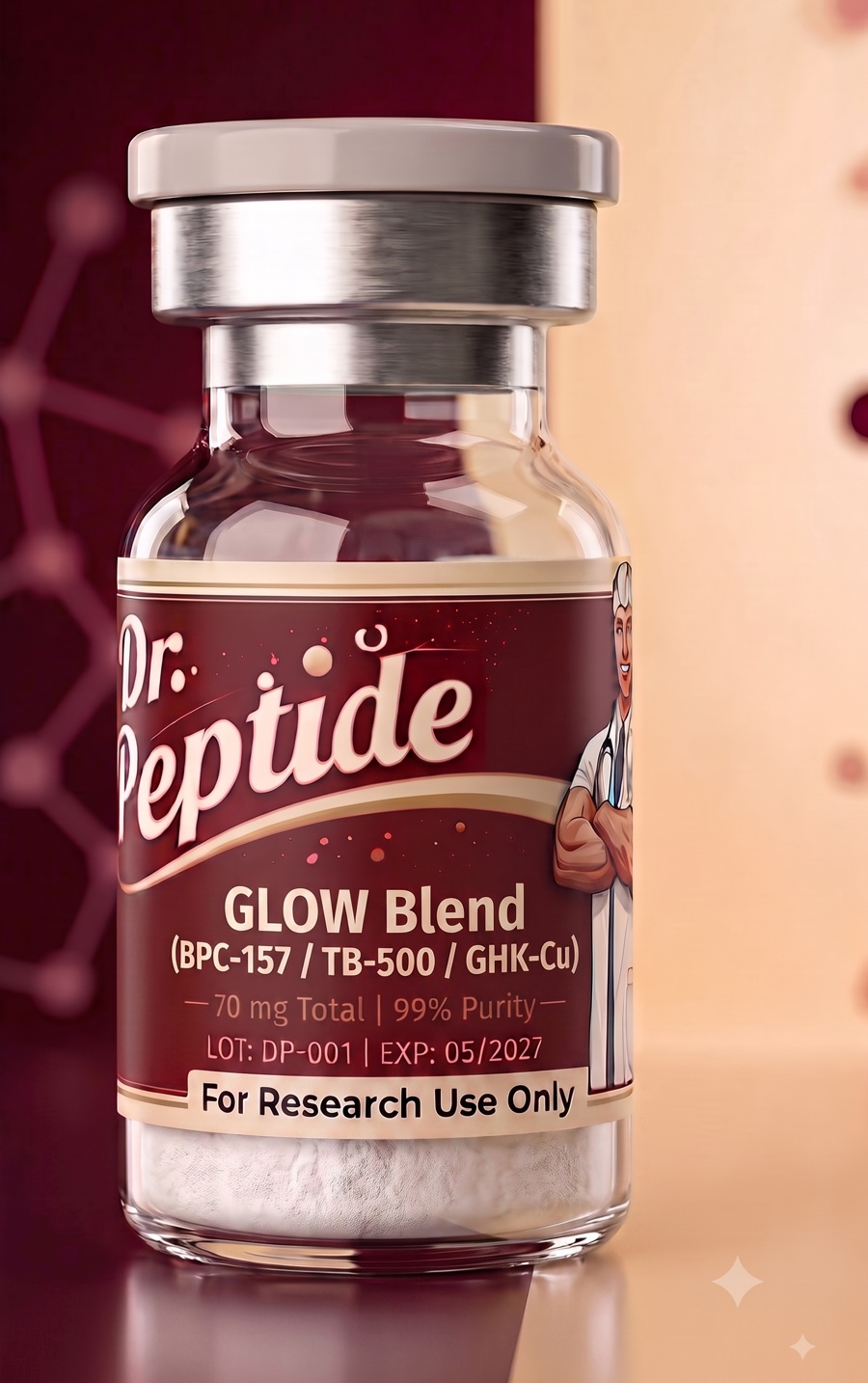
GLOW Blend: BPC-157 (10mg) / TB-500 (10mg) / GHK-Cu (50mg)
Research overview
A combination research vial containing BPC-157, TB-500, GHK-Cu at 10mg / 10mg / 50mg (70mg total). BPC-157 is a synthetic 15-amino-acid peptide derived from a protein found in gastric juice. TB-500 is a synthetic fragment of thymosin beta-4, a naturally occurring actin-binding protein. Each constituent has its own body of peer-reviewed literature; all components are supplied lyophilized in a sealed vial, strictly for laboratory research use. Published studies →
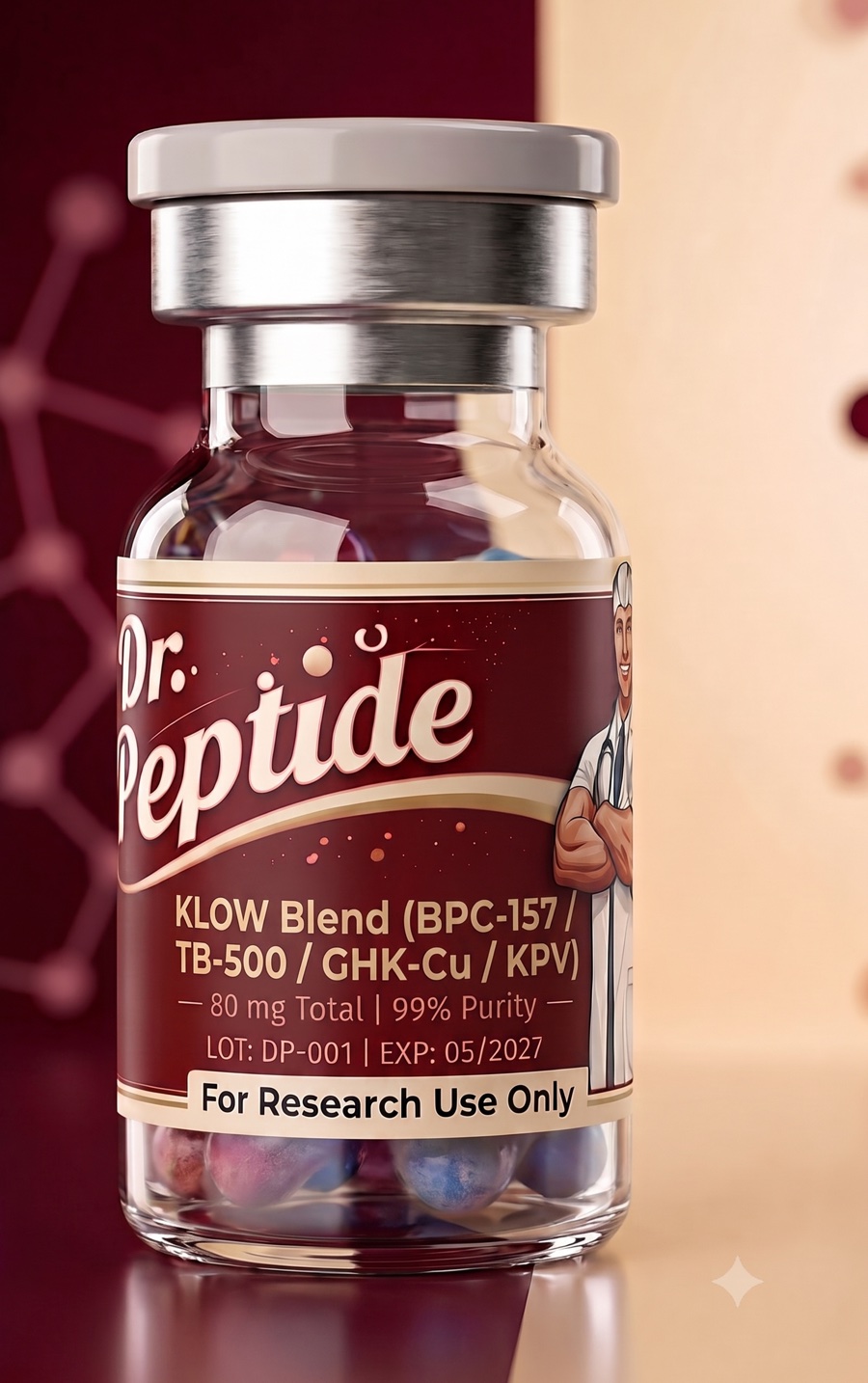
KLOW Blend: BPC-157 (10mg) / TB-500 (10mg) / GHK-Cu (50mg) / KPV (10mg)
Research overview
A combination research vial containing BPC-157, TB-500, GHK-Cu, KPV at 10mg / 10mg / 50mg / 10mg (80mg total). BPC-157 is a synthetic 15-amino-acid peptide derived from a protein found in gastric juice. TB-500 is a synthetic fragment of thymosin beta-4, a naturally occurring actin-binding protein. Each constituent has its own body of peer-reviewed literature; all components are supplied lyophilized in a sealed vial, strictly for laboratory research use. Published studies →
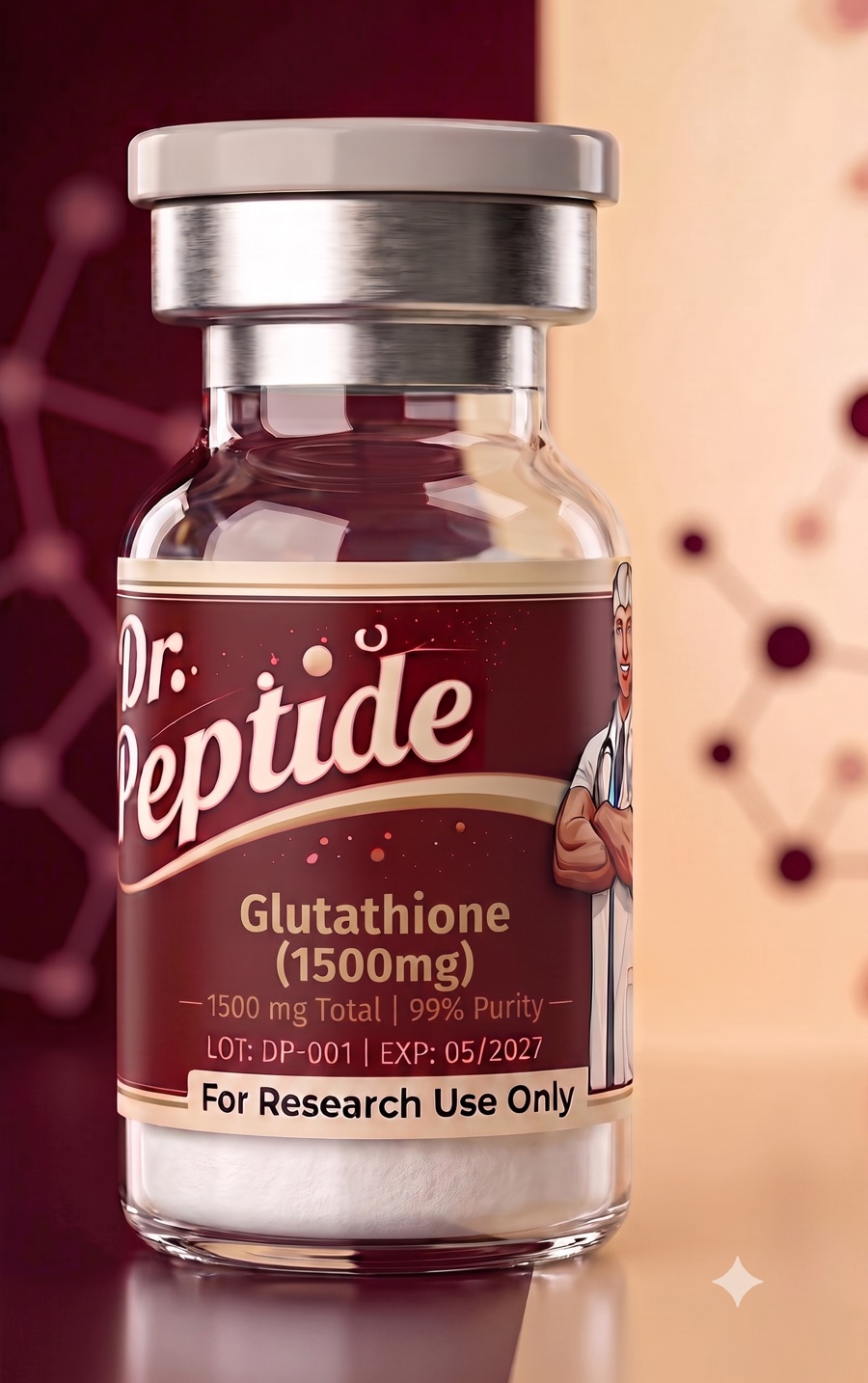
Glutathione (1500mg)
Research overview
Glutathione is an endogenous tripeptide composed of glutamate, cysteine, and glycine. It is one of the most-studied molecules in cellular redox and antioxidant research. This vial supplies 1500mg of lyophilized Glutathione, sealed and supplied strictly for in-vitro laboratory research — not for human or veterinary use. Published studies →
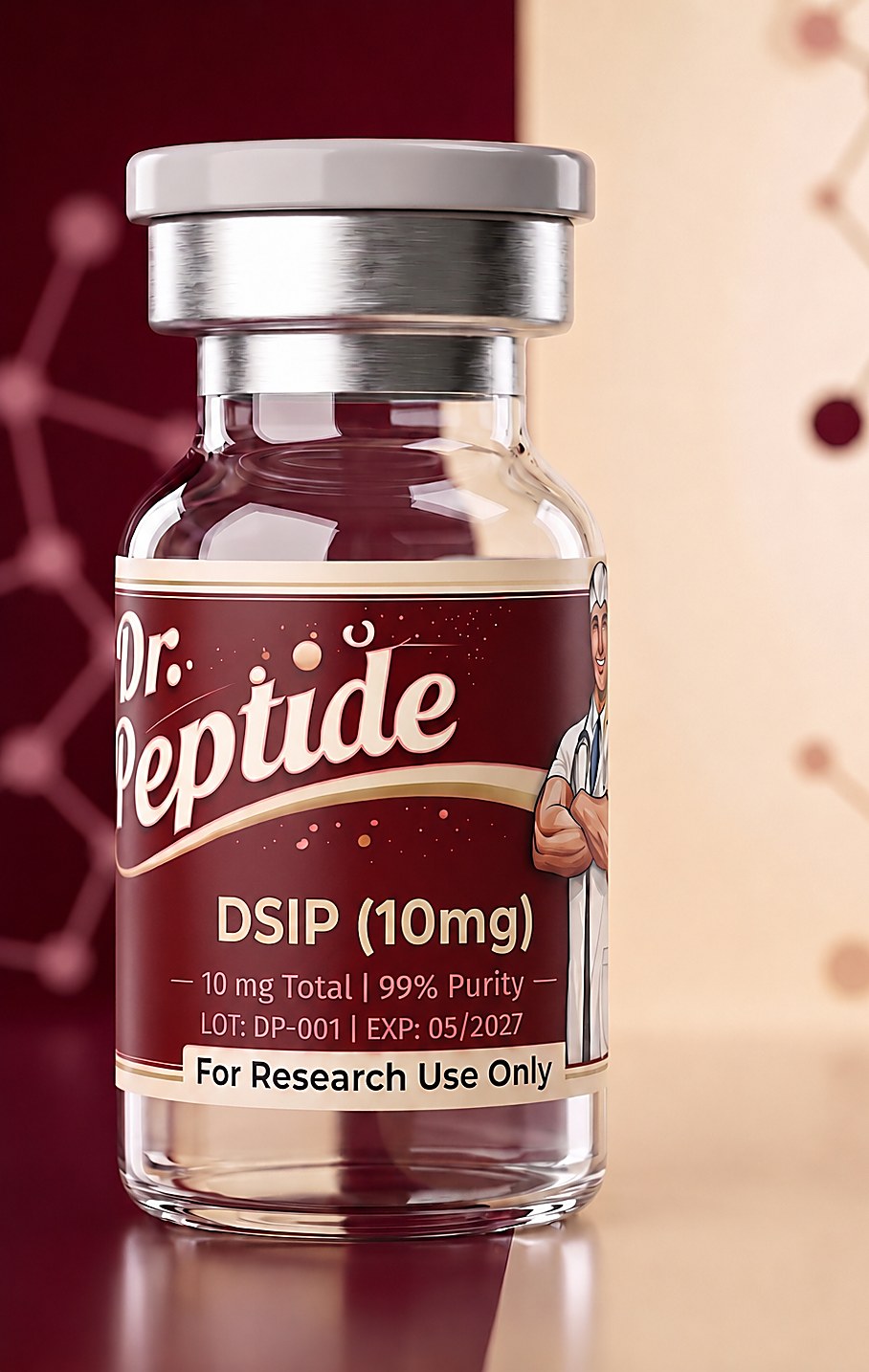
DSIP (10mg)
Research overview
DSIP is delta sleep-inducing peptide, a nonapeptide first isolated in neurochemistry research. It features in published neuropeptide and sleep-physiology literature. This vial supplies 10mg of lyophilized DSIP, sealed and supplied strictly for in-vitro laboratory research — not for human or veterinary use. Published studies →
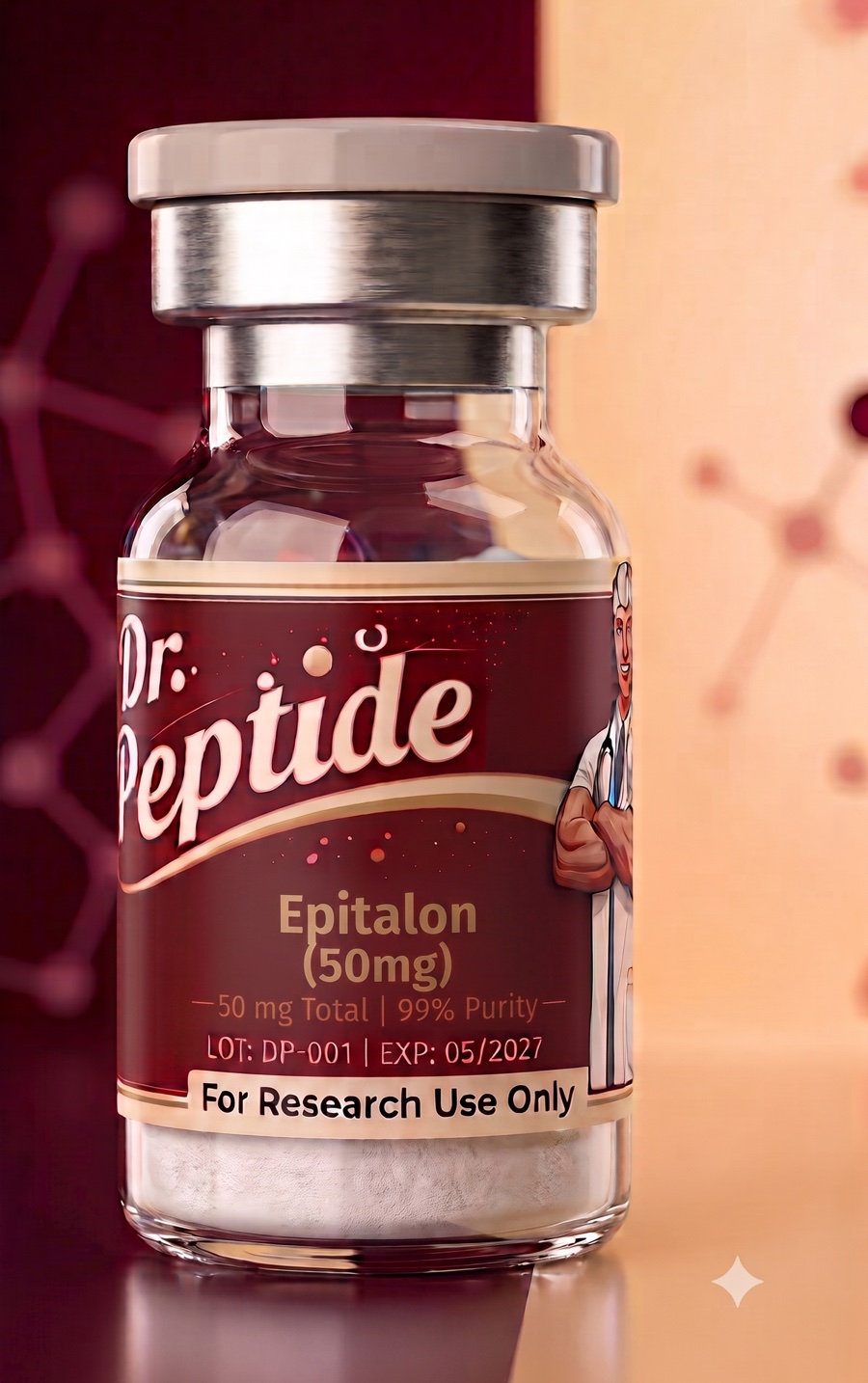
Epitalon (50mg)
Research overview
Epitalon is a synthetic tetrapeptide (Ala-Glu-Asp-Gly) of the bioregulator class. It is examined in published research on telomerase activity and cellular aging models. This vial supplies 50mg of lyophilized Epitalon, sealed and supplied strictly for in-vitro laboratory research — not for human or veterinary use. Published studies →
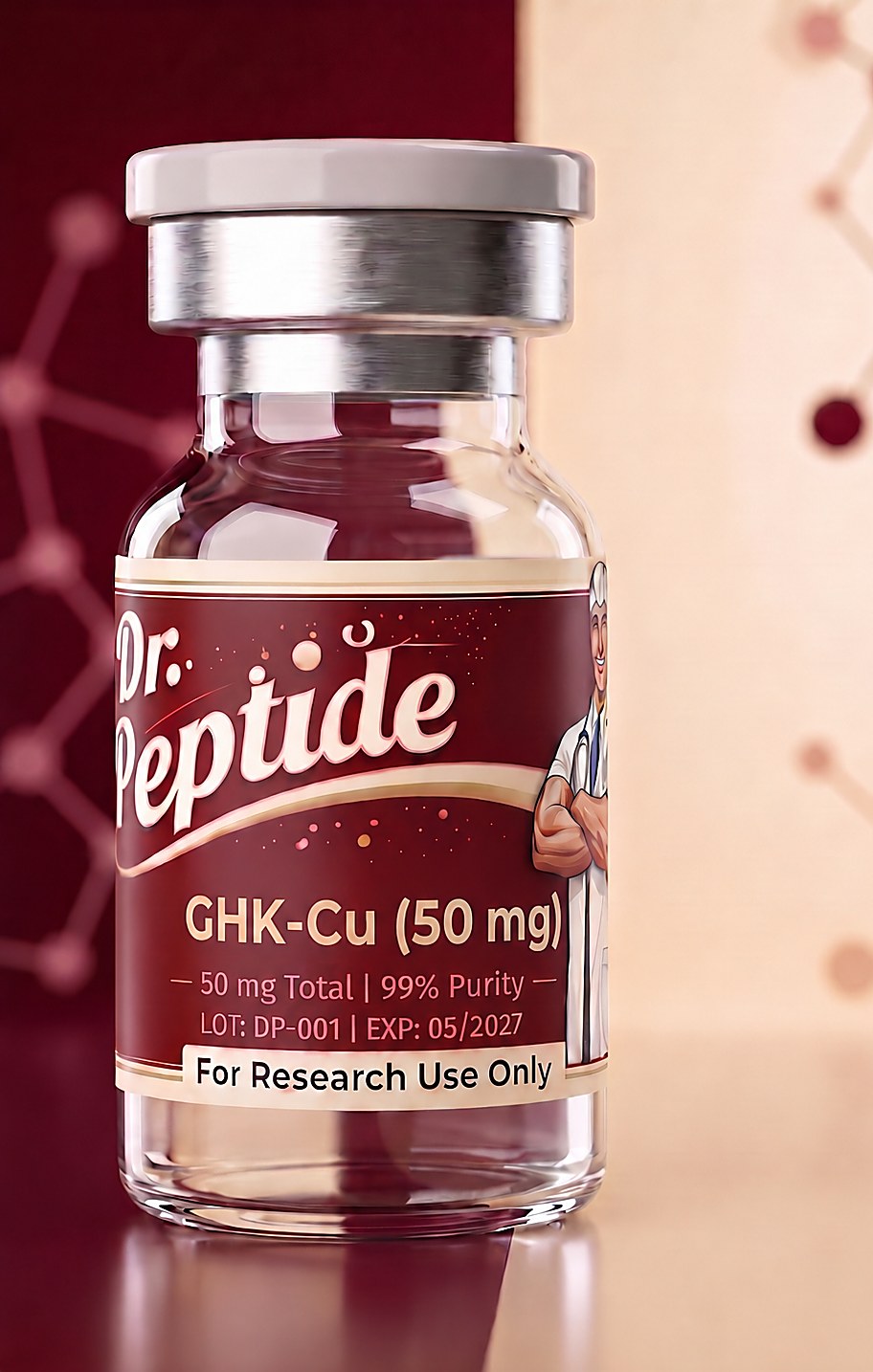
GHK-Cu (100mg)
Research overview
GHK-Cu is a naturally occurring copper-binding tripeptide (glycyl-L-histidyl-L-lysine). It has an extensive published literature in dermal-science and collagen-biology research. This vial supplies 100mg of lyophilized GHK-Cu, sealed and supplied strictly for in-vitro laboratory research — not for human or veterinary use. Published studies →
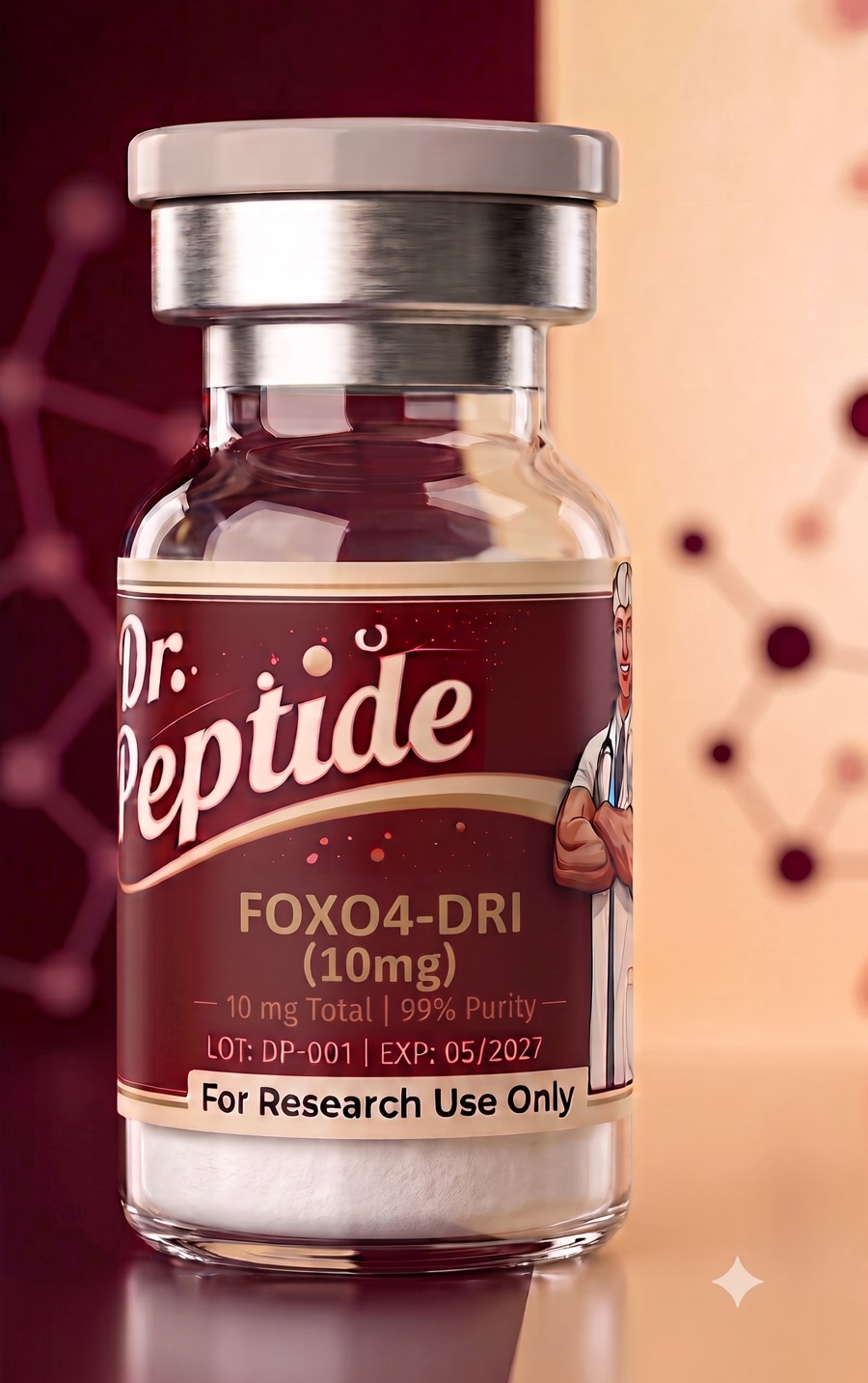
FOXO4-DRI (10mg)
Research overview
FOXO4-DRI is a D-retro-inverso peptide designed to interfere with the FOXO4–p53 interaction. It is studied in peer-reviewed cellular-senescence research. This vial supplies 10mg of lyophilized FOXO4-DRI, sealed and supplied strictly for in-vitro laboratory research — not for human or veterinary use. Published studies →
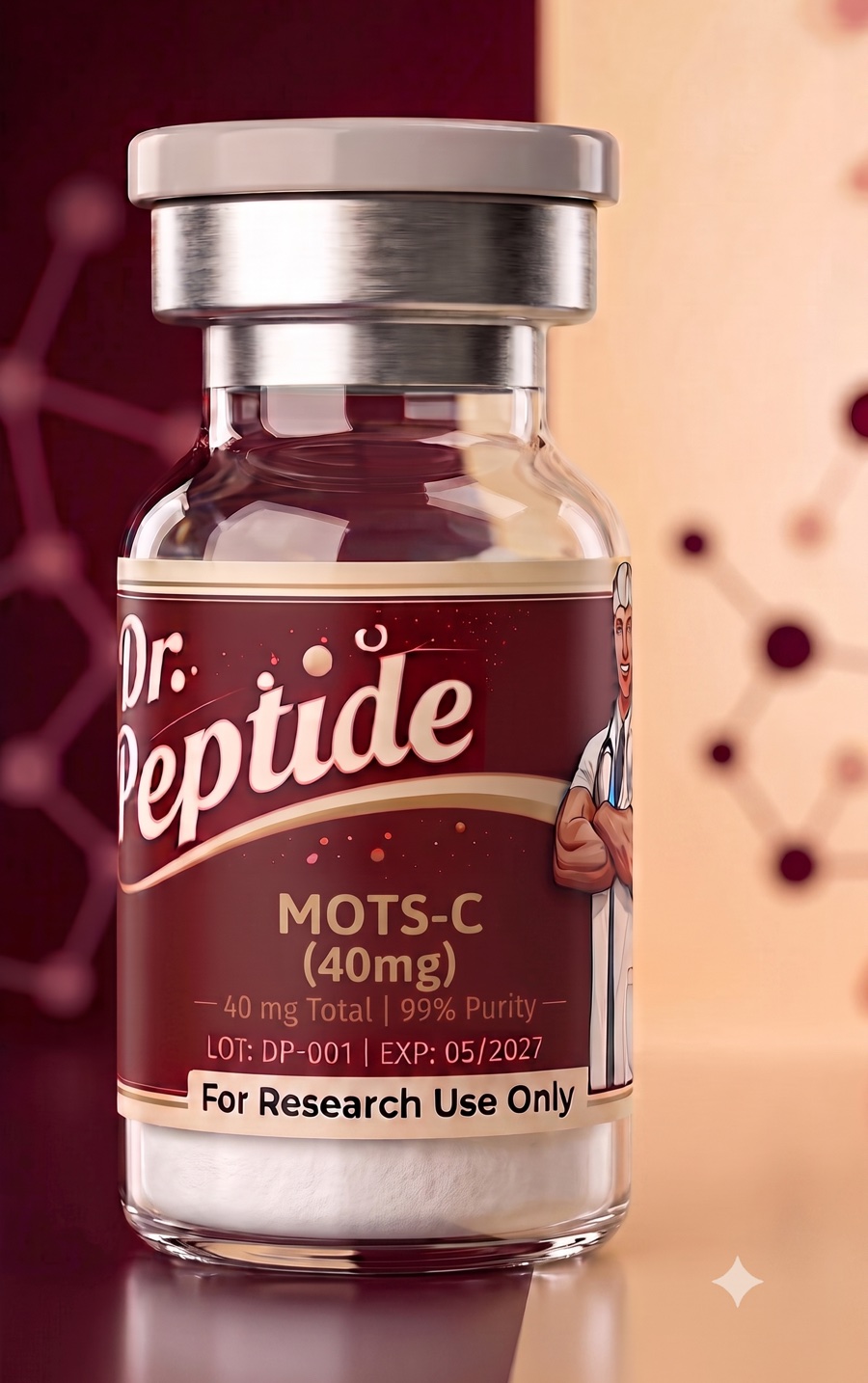
MOTS-C (40mg)
Research overview
MOTS-C is a mitochondrial-derived peptide encoded within the 12S rRNA region of mitochondrial DNA. It appears in published research on cellular metabolism and exercise physiology models. This vial supplies 40mg of lyophilized MOTS-C, sealed and supplied strictly for in-vitro laboratory research — not for human or veterinary use. Published studies →
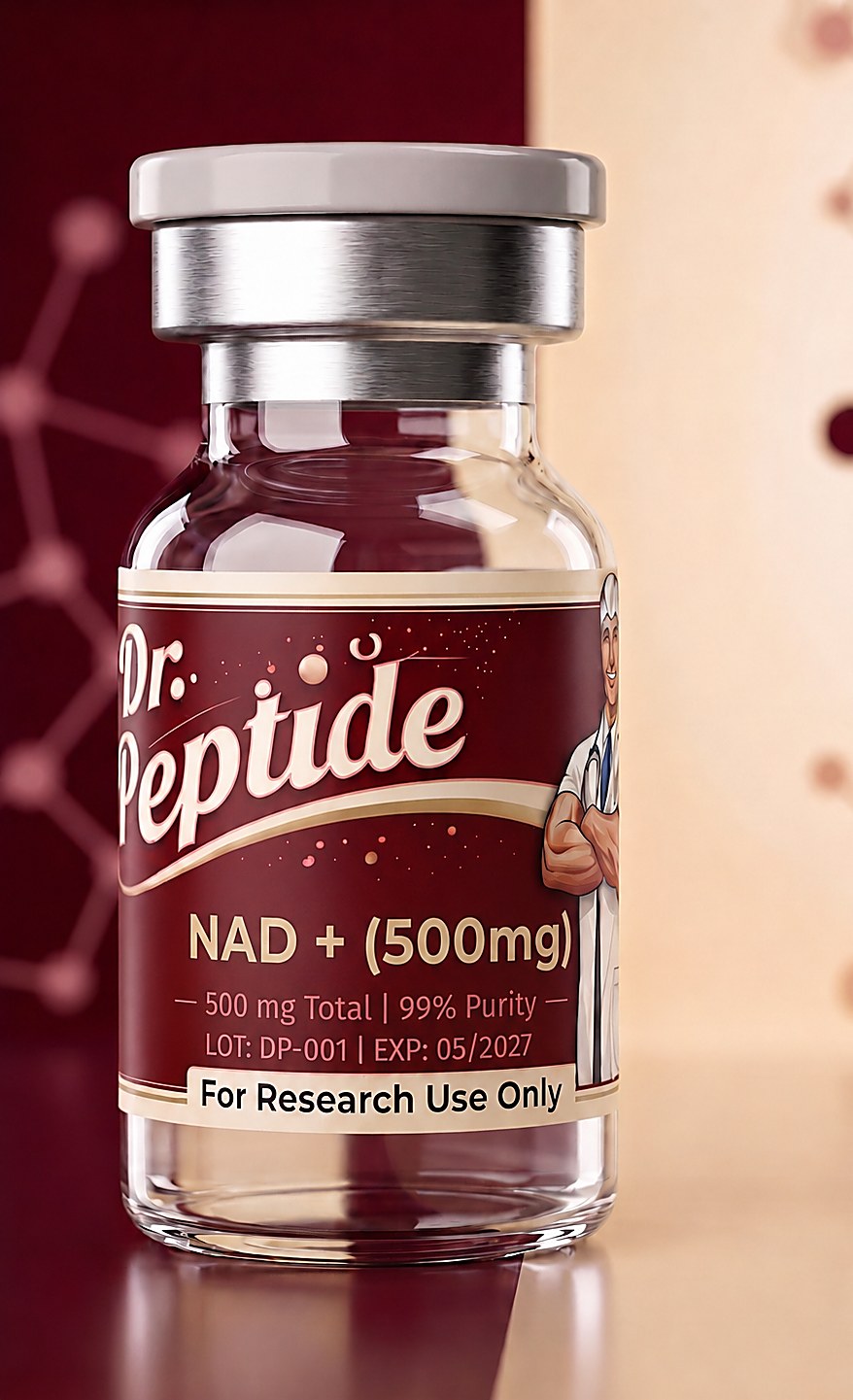
NAD+ (500mg)
Research overview
NAD+ is nicotinamide adenine dinucleotide, a coenzyme central to cellular energy transfer. It is a cornerstone molecule of published research in metabolism and cellular aging. This vial supplies 500mg of lyophilized NAD+, sealed and supplied strictly for in-vitro laboratory research — not for human or veterinary use. Published studies →
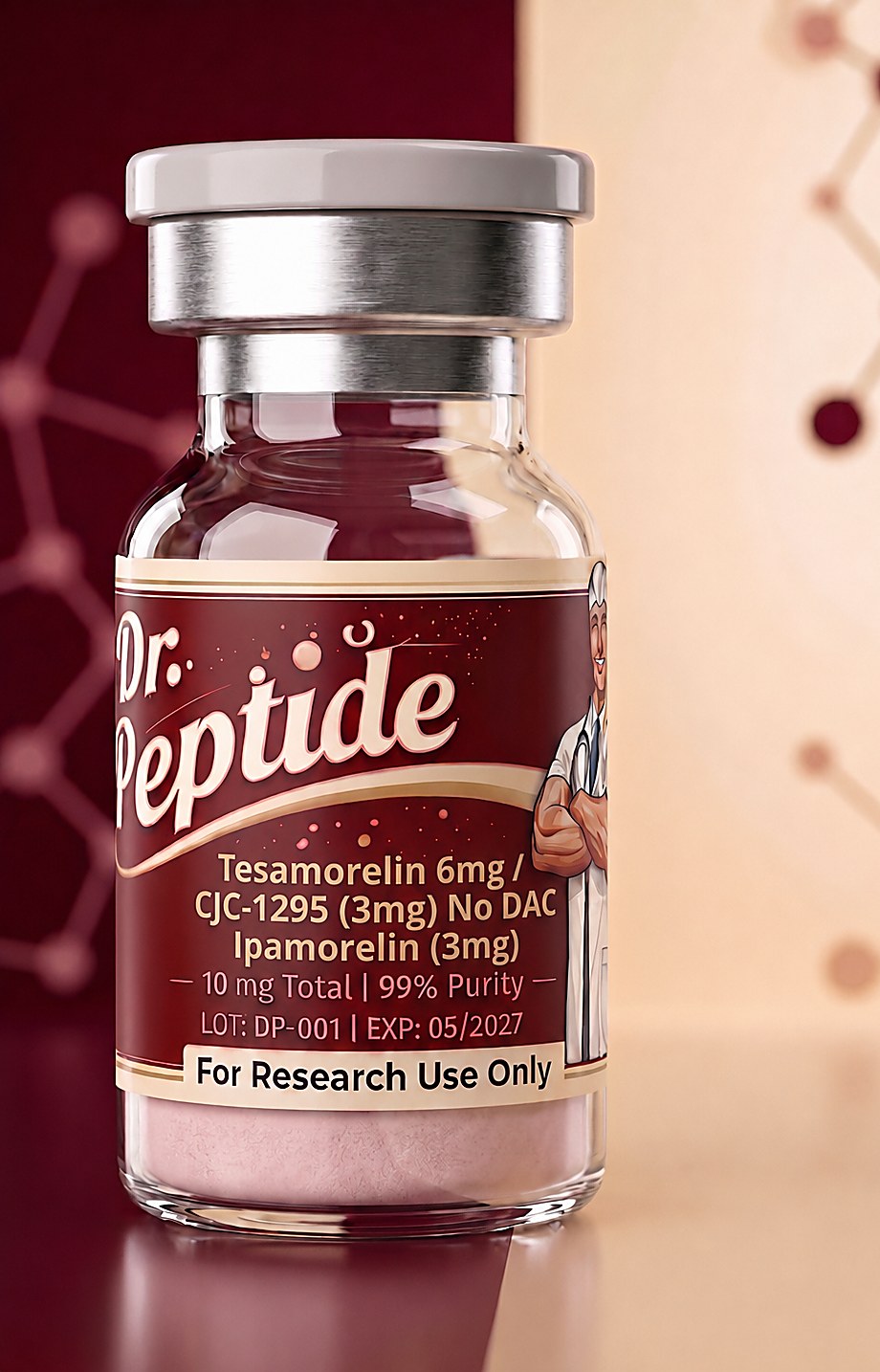
Blend: Tesamorelin / CJC-1295 / Ipamorelin
Research overview
A combination research vial containing Tesamorelin, CJC-1295, Ipamorelin at 6mg / 3mg / 3mg respectively. Tesamorelin is a stabilized synthetic analog of growth-hormone-releasing hormone (GHRH). CJC-1295 is a synthetic analog of growth-hormone-releasing hormone (GHRH 1–29). Each constituent has its own body of peer-reviewed literature; all components are supplied lyophilized in a sealed vial, strictly for laboratory research use. Published studies →
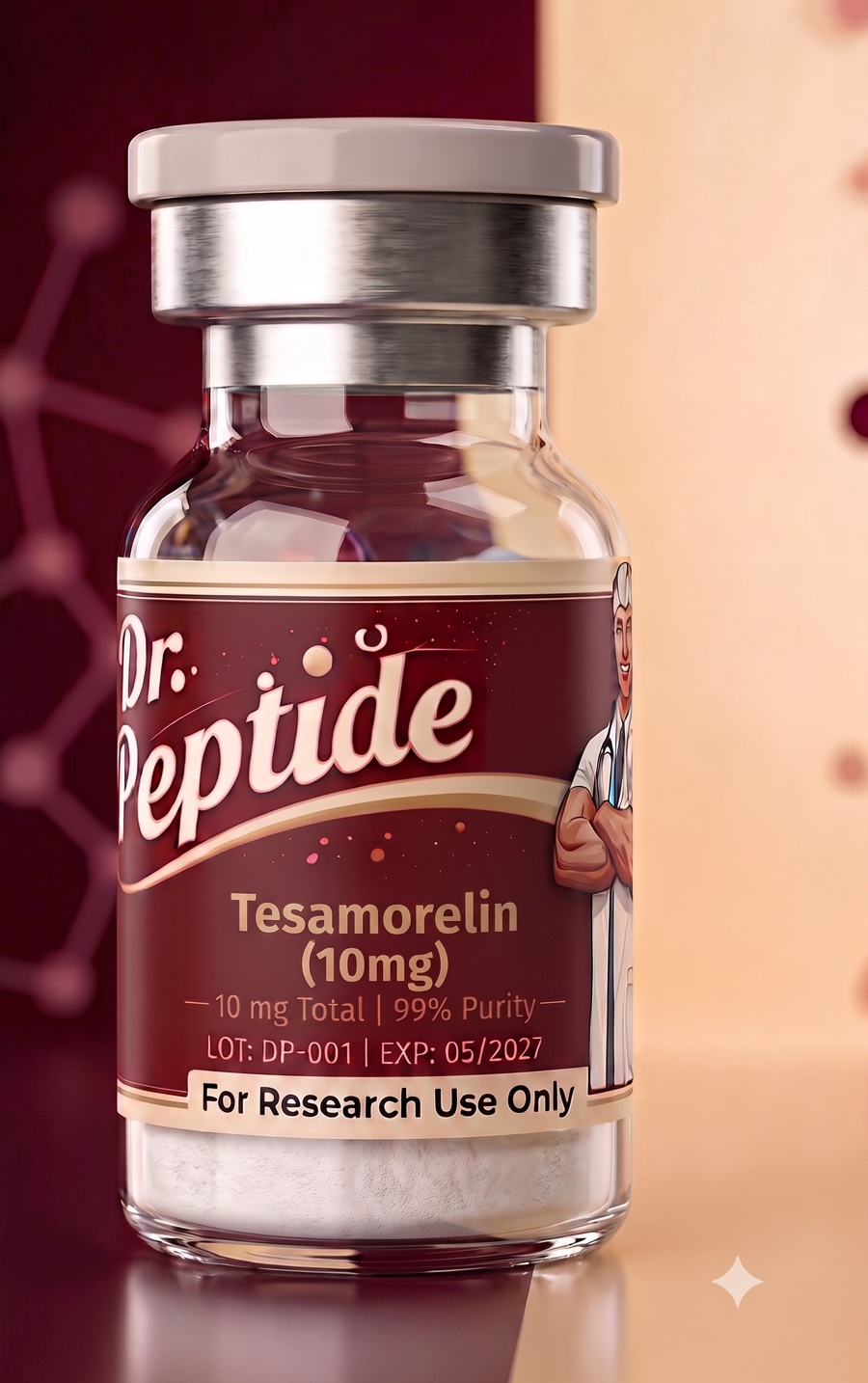
Tesamorelin (10mg)
Research overview
Tesamorelin is a stabilized synthetic analog of growth-hormone-releasing hormone (GHRH). It is well represented in peer-reviewed growth-hormone-axis research. This vial supplies 10mg of lyophilized Tesamorelin, sealed and supplied strictly for in-vitro laboratory research — not for human or veterinary use. Published studies →
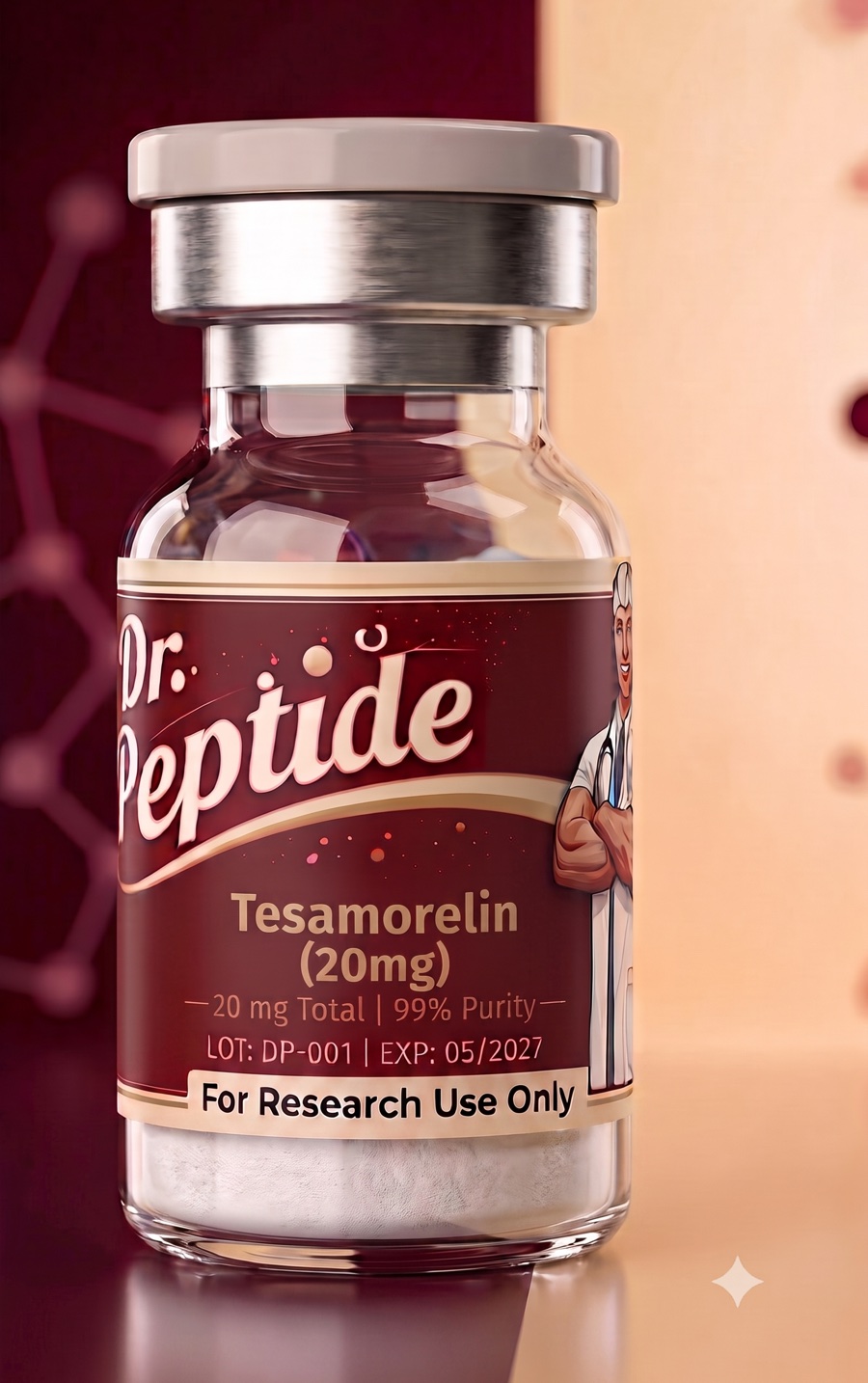
Tesamorelin (20mg)
Research overview
Tesamorelin is a stabilized synthetic analog of growth-hormone-releasing hormone (GHRH). It is well represented in peer-reviewed growth-hormone-axis research. This vial supplies 20mg of lyophilized Tesamorelin, sealed and supplied strictly for in-vitro laboratory research — not for human or veterinary use. Published studies →
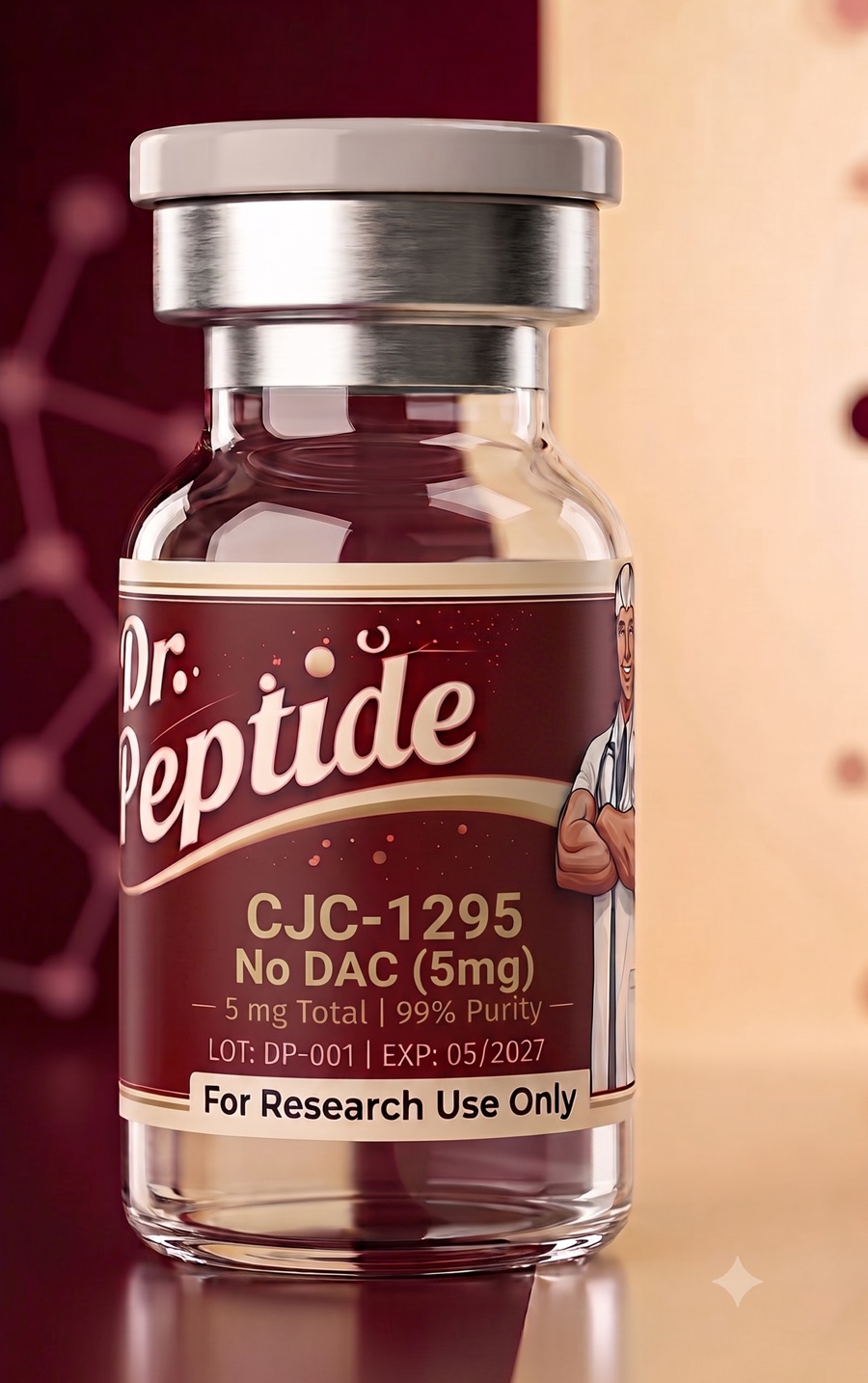
CJC-1295 No DAC (5mg)
Research overview
CJC-1295 is a synthetic analog of growth-hormone-releasing hormone (GHRH 1–29). It appears in published research on GHRH-receptor signaling. This vial supplies 5mg of lyophilized CJC-1295, sealed and supplied strictly for in-vitro laboratory research — not for human or veterinary use. Published studies →
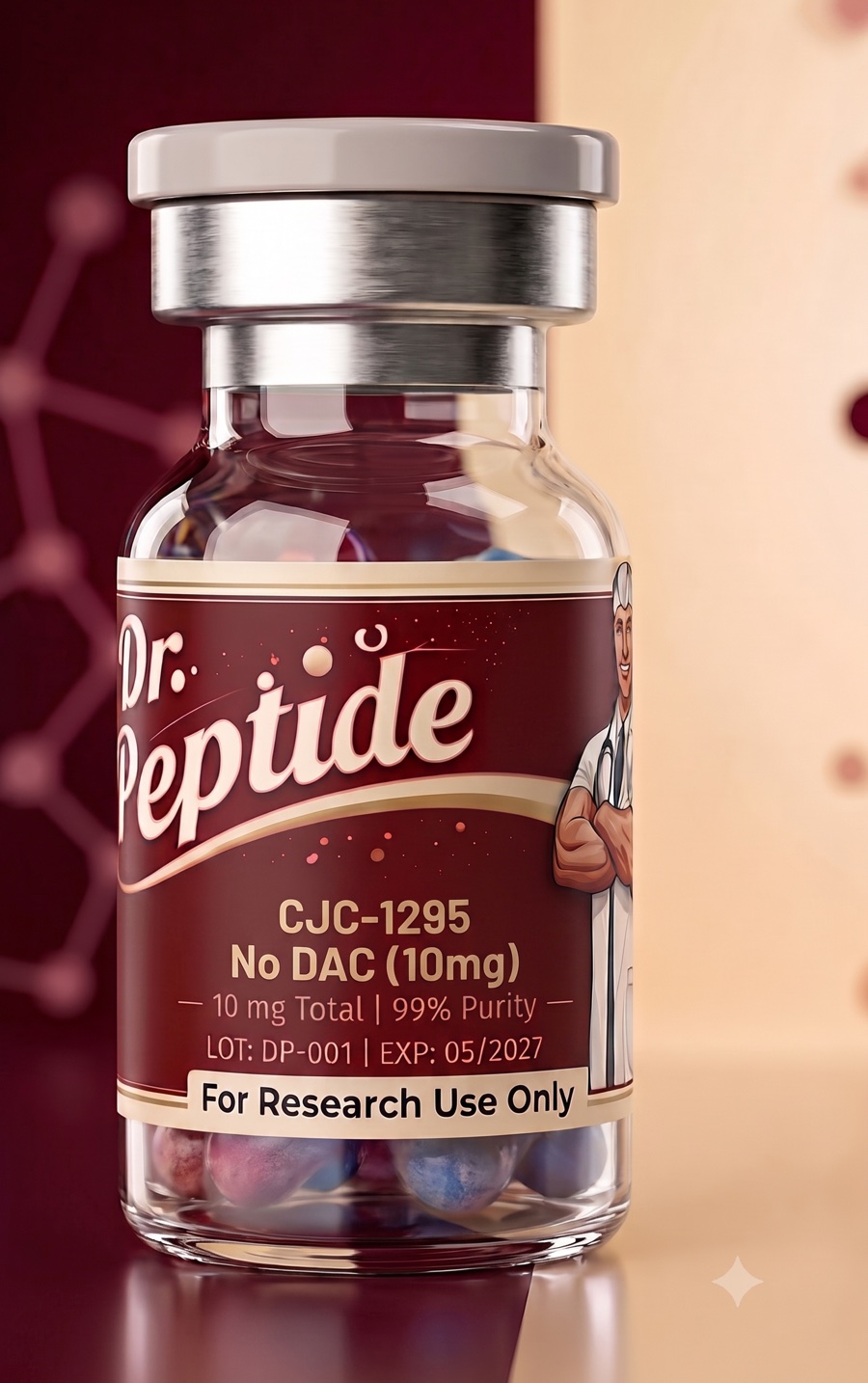
CJC-1295 No DAC (10mg)
Research overview
CJC-1295 is a synthetic analog of growth-hormone-releasing hormone (GHRH 1–29). It appears in published research on GHRH-receptor signaling. This vial supplies 10mg of lyophilized CJC-1295, sealed and supplied strictly for in-vitro laboratory research — not for human or veterinary use. Published studies →
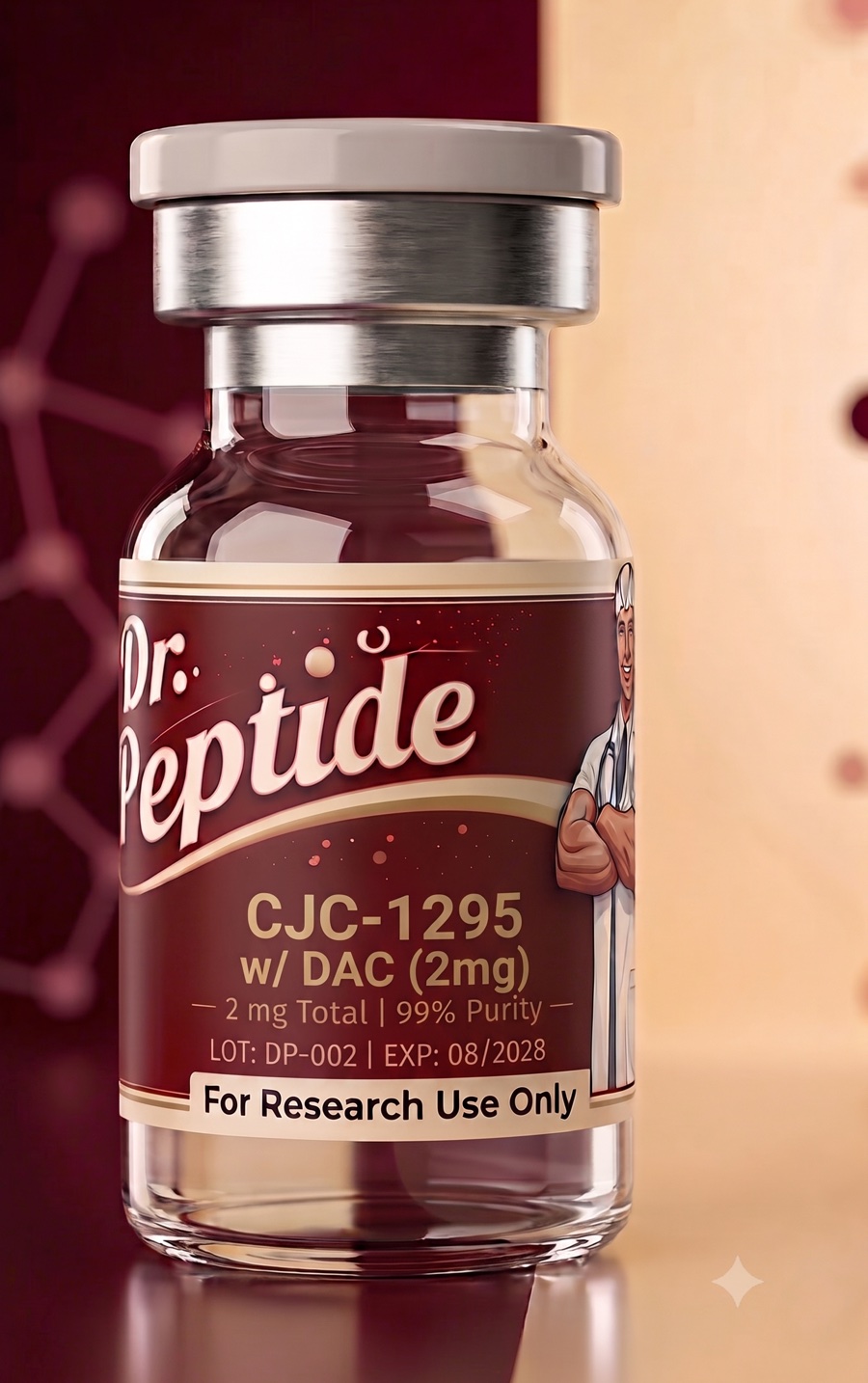
CJC-1295 w/ DAC (2mg)
Research overview
CJC-1295 is a synthetic analog of growth-hormone-releasing hormone (GHRH 1–29). It appears in published research on GHRH-receptor signaling. This vial supplies 2mg of lyophilized CJC-1295, sealed and supplied strictly for in-vitro laboratory research — not for human or veterinary use. Published studies →
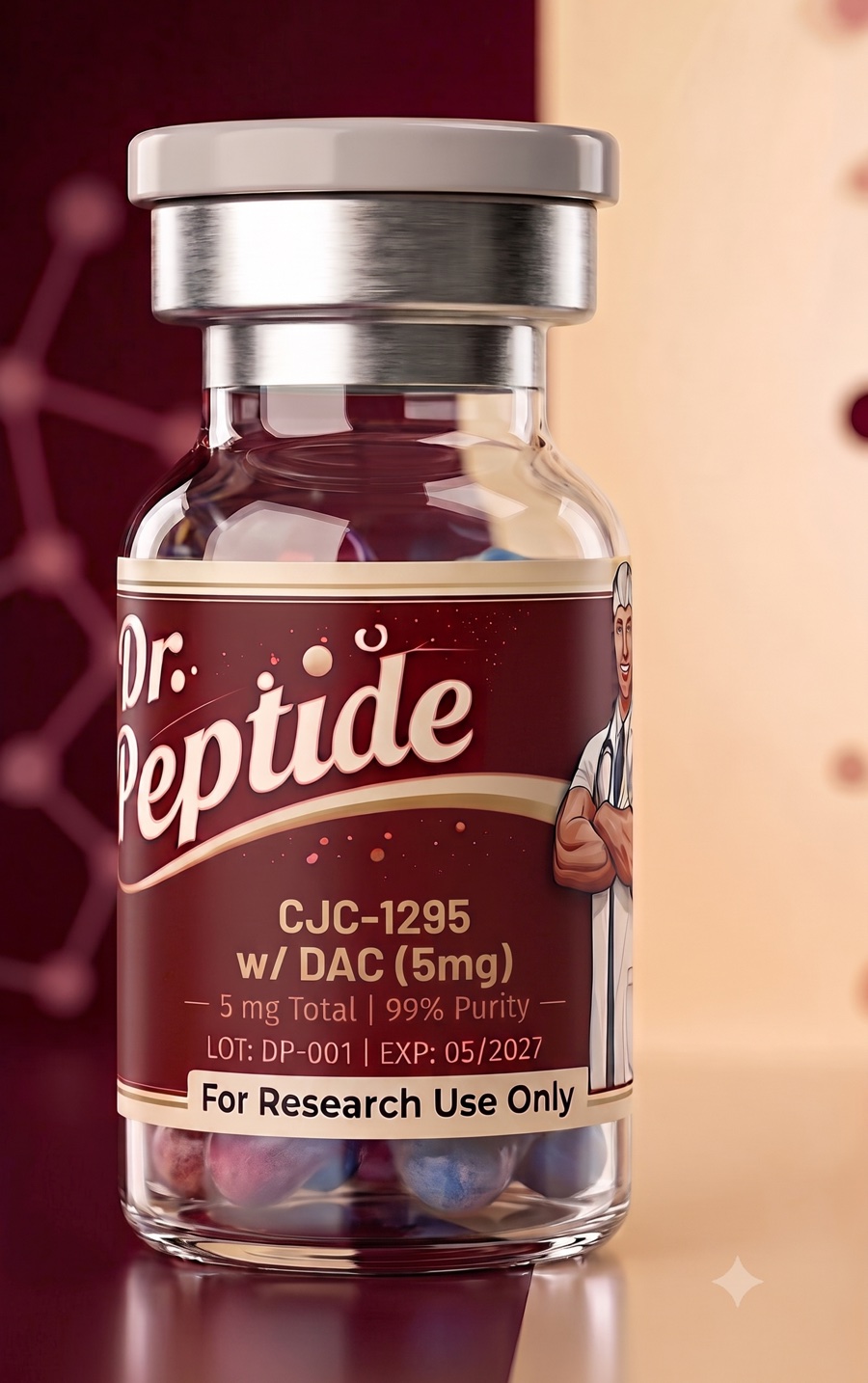
CJC-1295 w/ DAC (5mg)
Research overview
CJC-1295 is a synthetic analog of growth-hormone-releasing hormone (GHRH 1–29). It appears in published research on GHRH-receptor signaling. This vial supplies 5mg of lyophilized CJC-1295, sealed and supplied strictly for in-vitro laboratory research — not for human or veterinary use. Published studies →
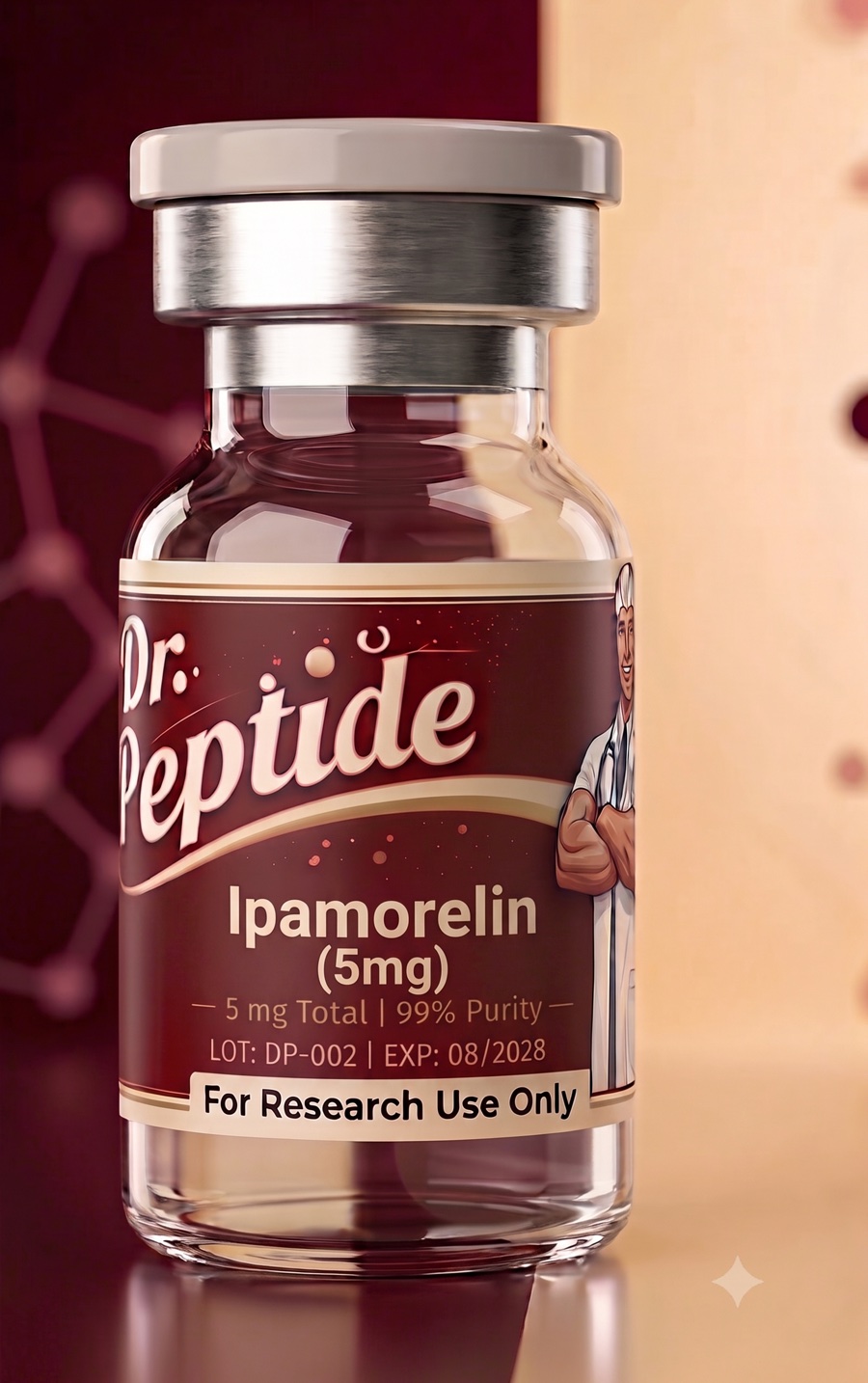
Ipamorelin (5mg)
Research overview
Ipamorelin is a synthetic pentapeptide agonist of the ghrelin (growth-hormone secretagogue) receptor. It is studied in published secretagogue-receptor research. This vial supplies 5mg of lyophilized Ipamorelin, sealed and supplied strictly for in-vitro laboratory research — not for human or veterinary use. Published studies →
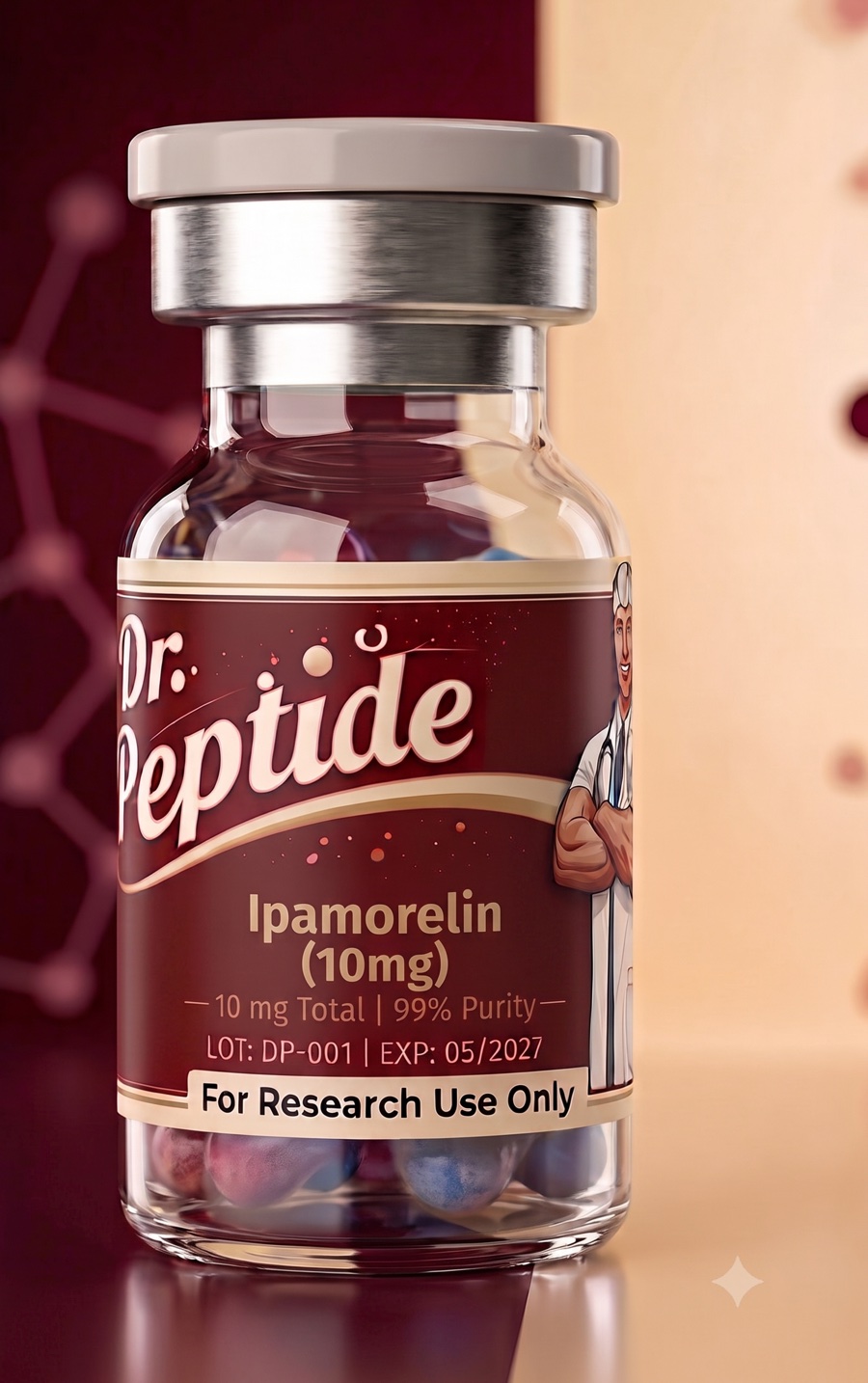
Ipamorelin (10mg)
Research overview
Ipamorelin is a synthetic pentapeptide agonist of the ghrelin (growth-hormone secretagogue) receptor. It is studied in published secretagogue-receptor research. This vial supplies 10mg of lyophilized Ipamorelin, sealed and supplied strictly for in-vitro laboratory research — not for human or veterinary use. Published studies →
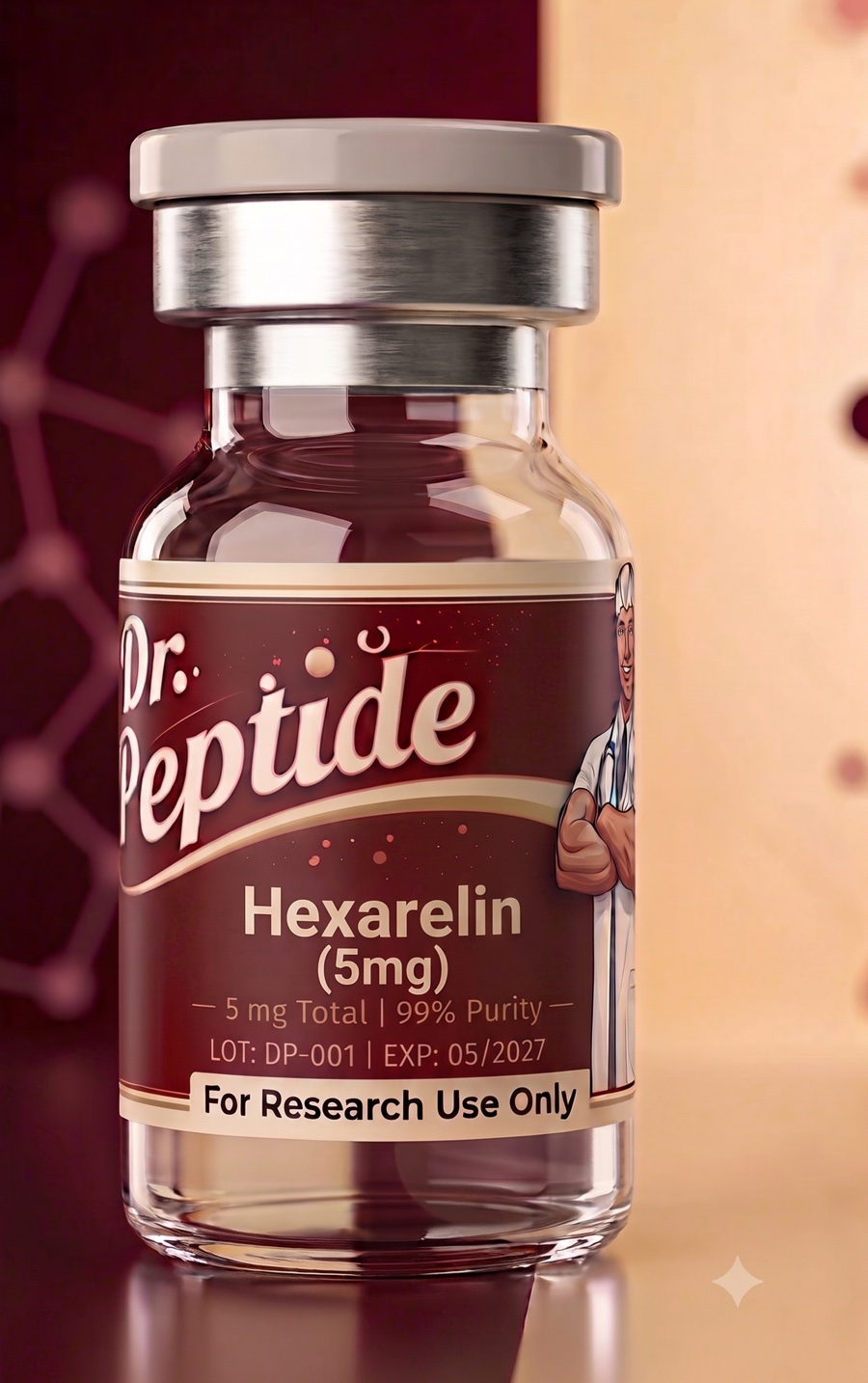
Hexarelin Acetate (5mg)
Research overview
Hexarelin is a synthetic hexapeptide of the growth-hormone secretagogue class. It appears in peer-reviewed receptor-pharmacology literature. This vial supplies 5mg of lyophilized Hexarelin, sealed and supplied strictly for in-vitro laboratory research — not for human or veterinary use. Published studies →
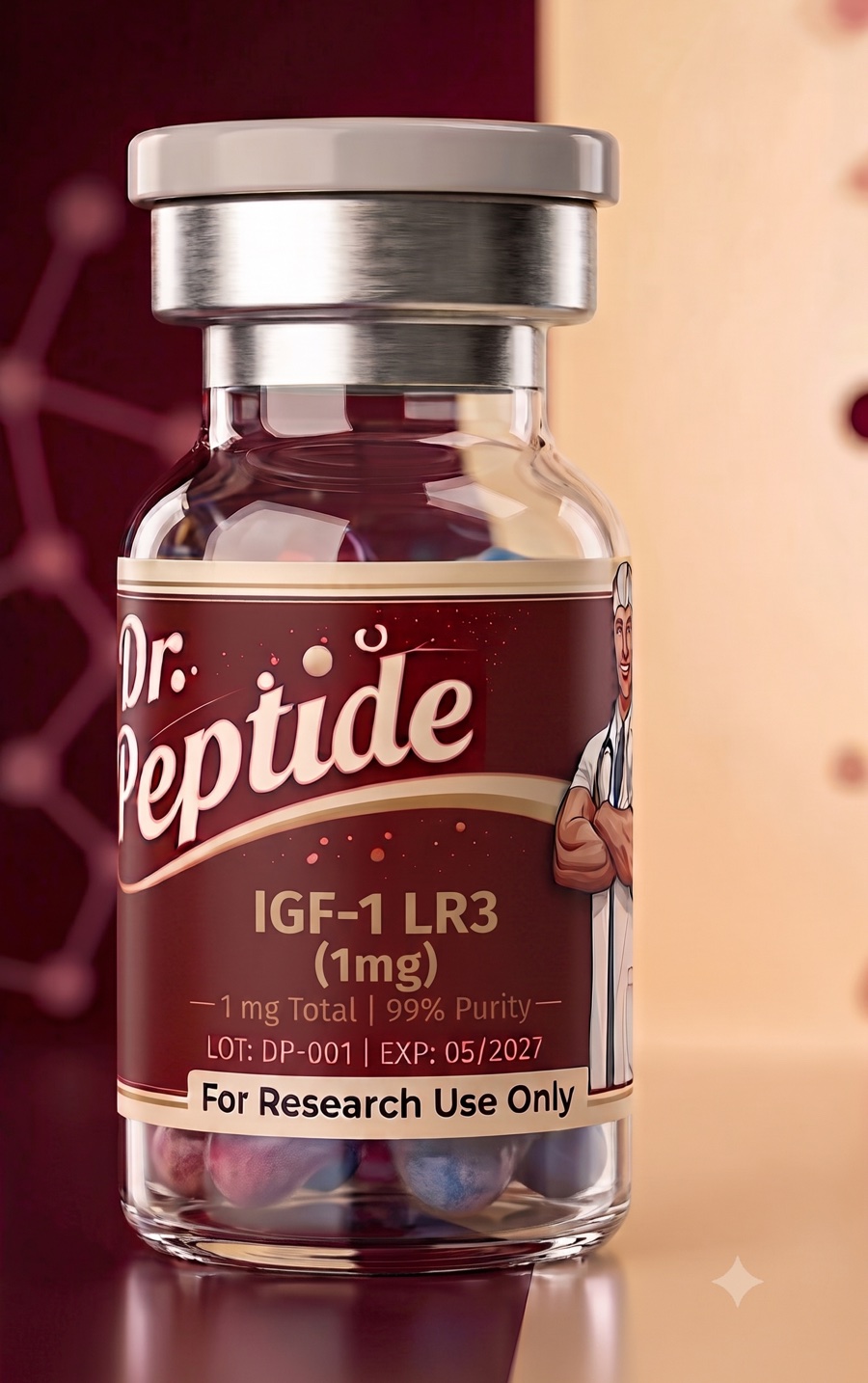
IGF-1 LR3 (1mg)
Research overview
IGF-1 LR3 is a long-arginine-3 analog of insulin-like growth factor 1 with an extended N-terminus. It is used widely in published growth-factor-signaling and cell-culture research. This vial supplies 1mg of lyophilized IGF-1 LR3, sealed and supplied strictly for in-vitro laboratory research — not for human or veterinary use. Published studies →
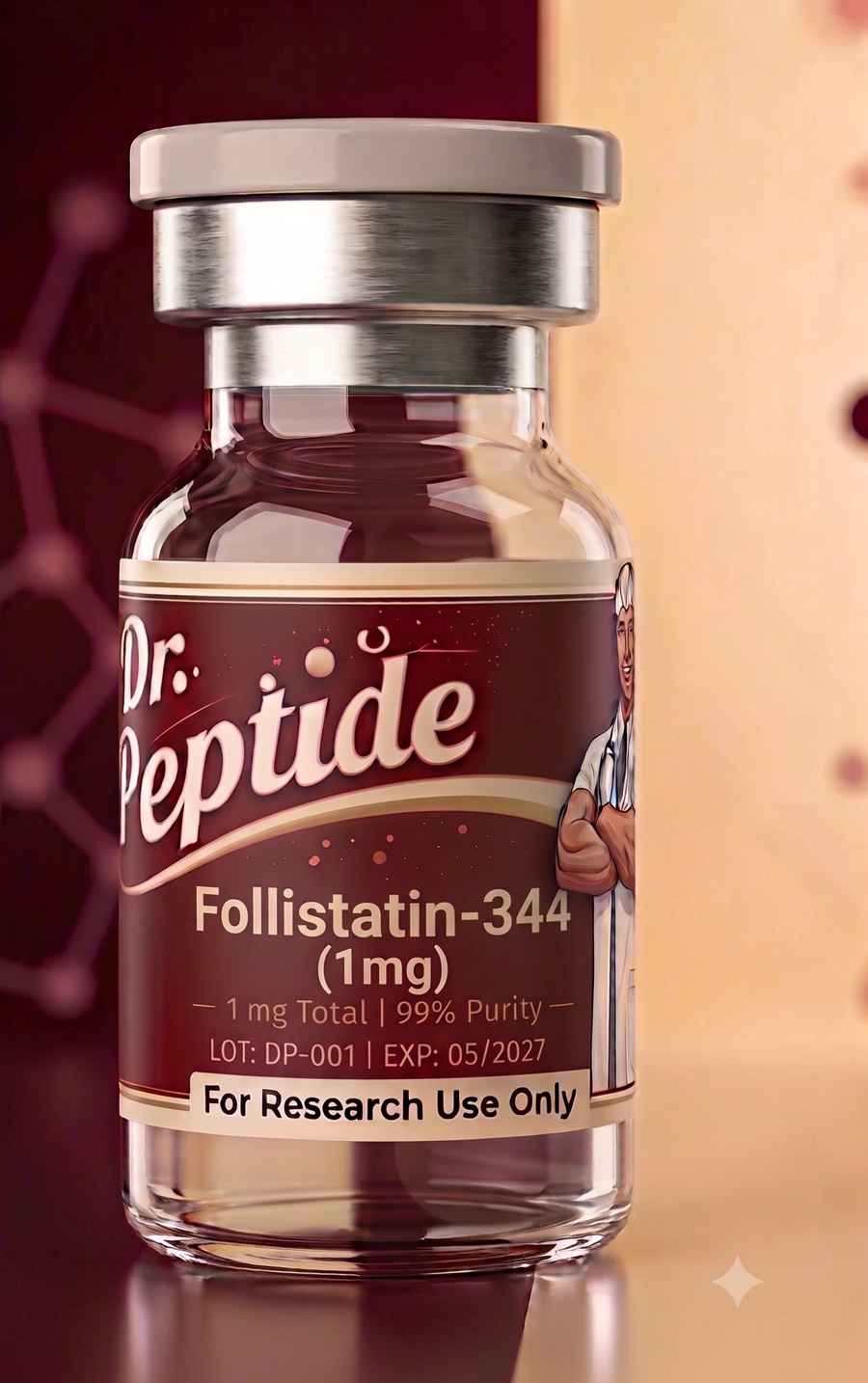
Follistatin-344 (1mg)
Research overview
Follistatin-344 is an isoform of follistatin, a naturally occurring activin- and myostatin-binding glycoprotein. It features in published research on TGF-beta-family signaling. This vial supplies 1mg of lyophilized Follistatin-344, sealed and supplied strictly for in-vitro laboratory research — not for human or veterinary use. Published studies →
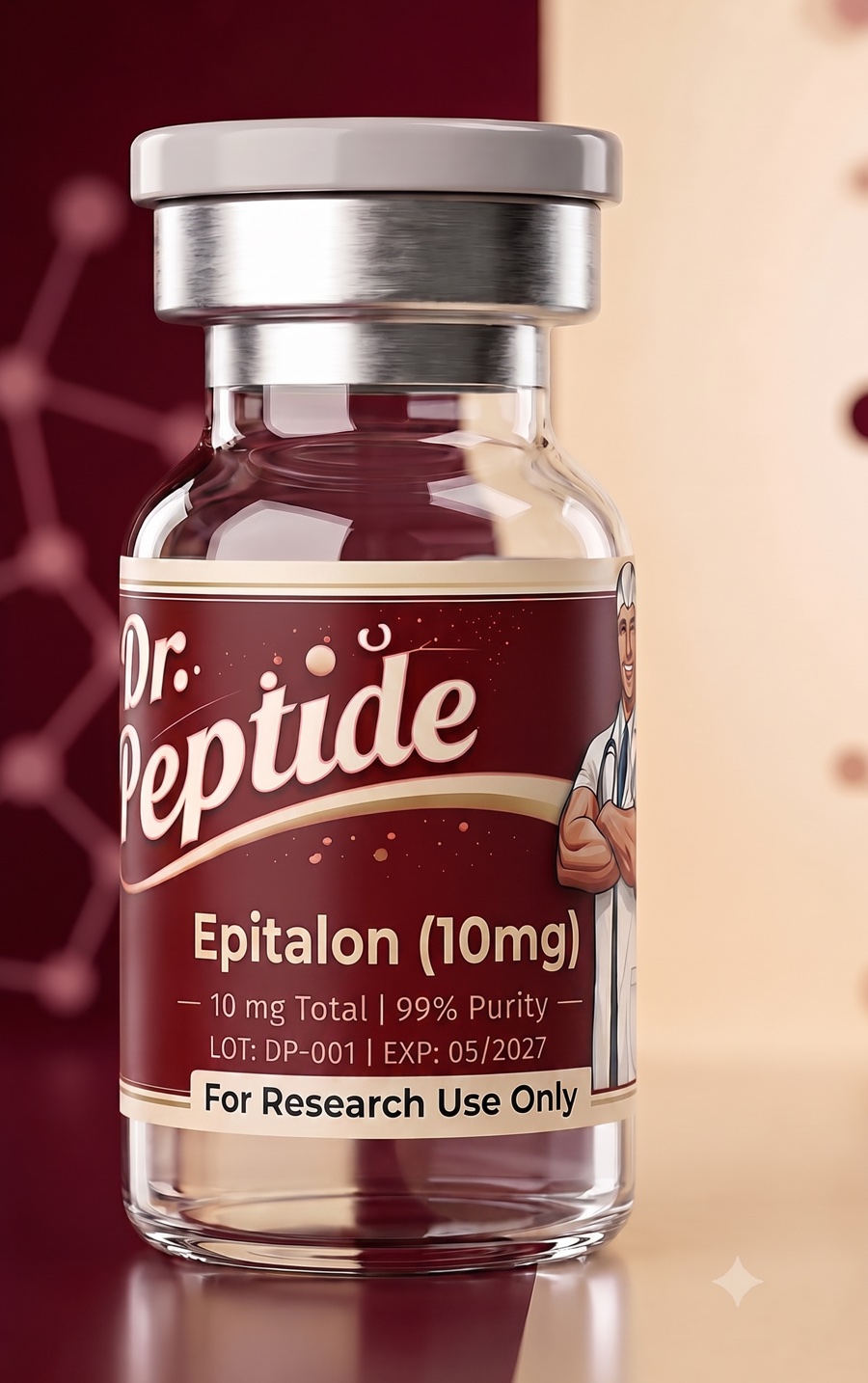
Epitalon (10mg)
Research overview
Epitalon is a synthetic tetrapeptide (Ala-Glu-Asp-Gly) of the bioregulator class. It is examined in published research on telomerase activity and cellular aging models. This vial supplies 10mg of lyophilized Epitalon, sealed and supplied strictly for in-vitro laboratory research — not for human or veterinary use. Published studies →
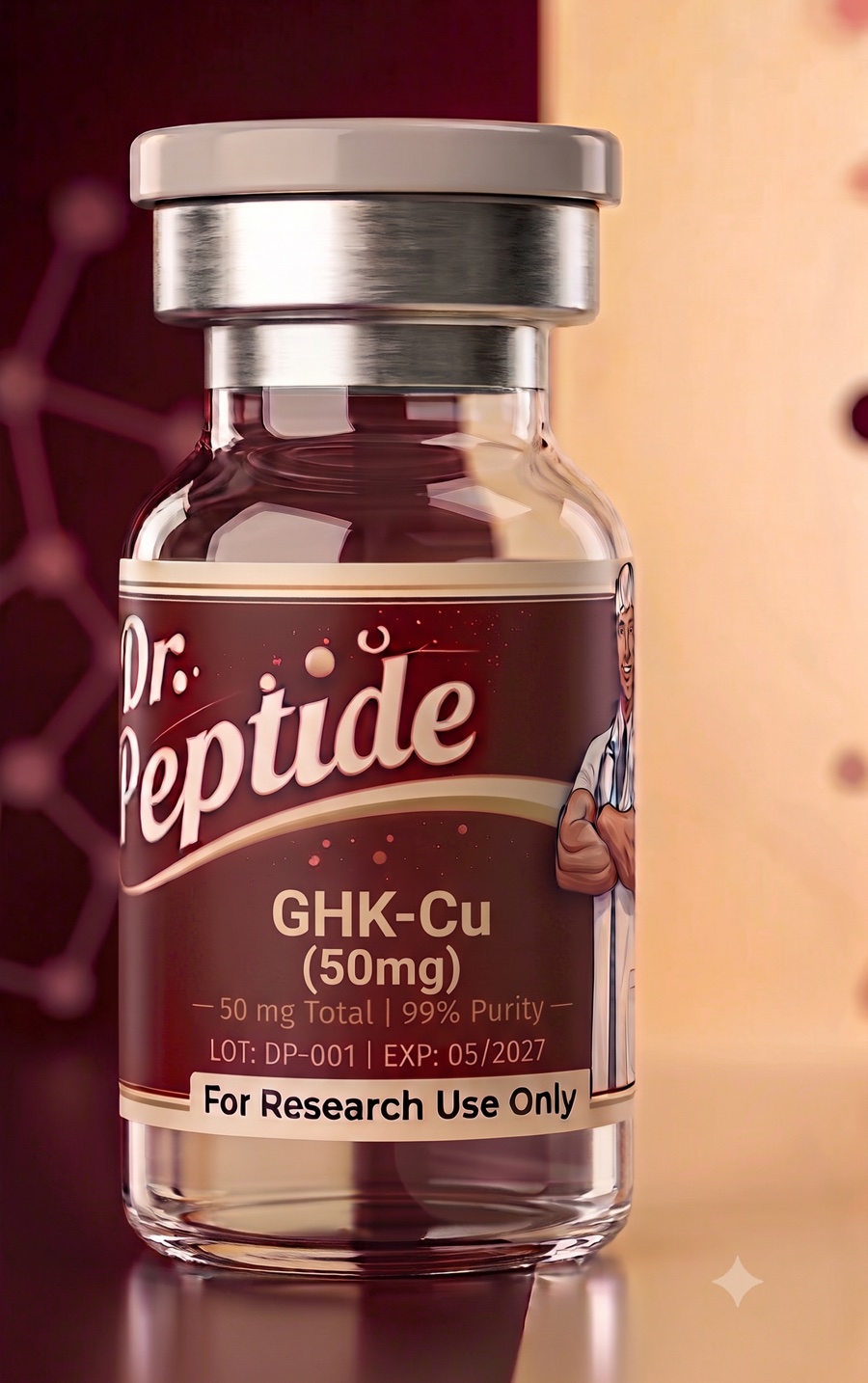
GHK-Cu (50mg)
Research overview
GHK-Cu is a naturally occurring copper-binding tripeptide (glycyl-L-histidyl-L-lysine). It has an extensive published literature in dermal-science and collagen-biology research. This vial supplies 50mg of lyophilized GHK-Cu, sealed and supplied strictly for in-vitro laboratory research — not for human or veterinary use. Published studies →
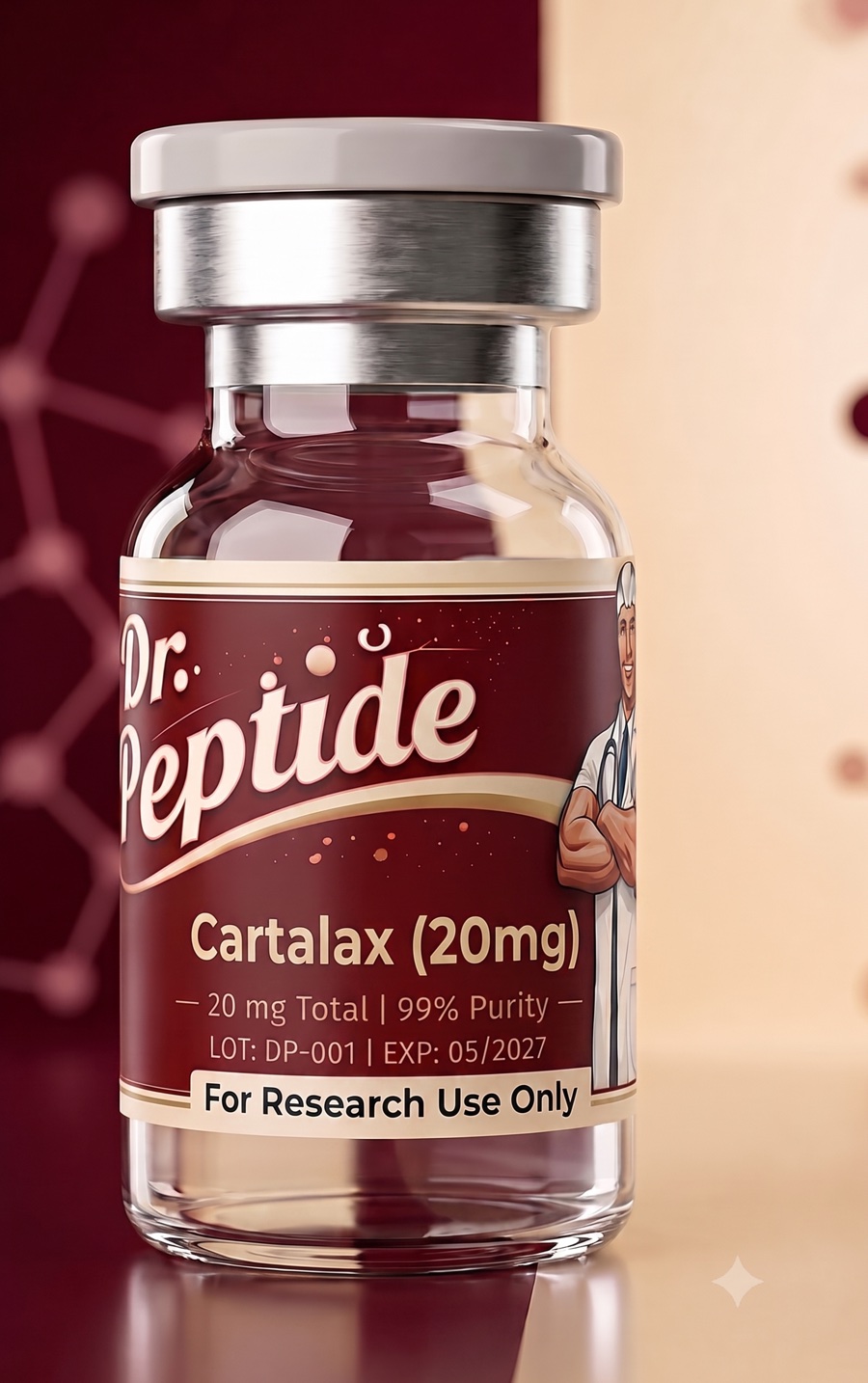
Cartalax (20mg)
Research overview
Cartalax is a short synthetic peptide of the bioregulator class. It is discussed in research literature on cartilage and connective-tissue cell cultures. This vial supplies 20mg of lyophilized Cartalax, sealed and supplied strictly for in-vitro laboratory research — not for human or veterinary use. Published studies →
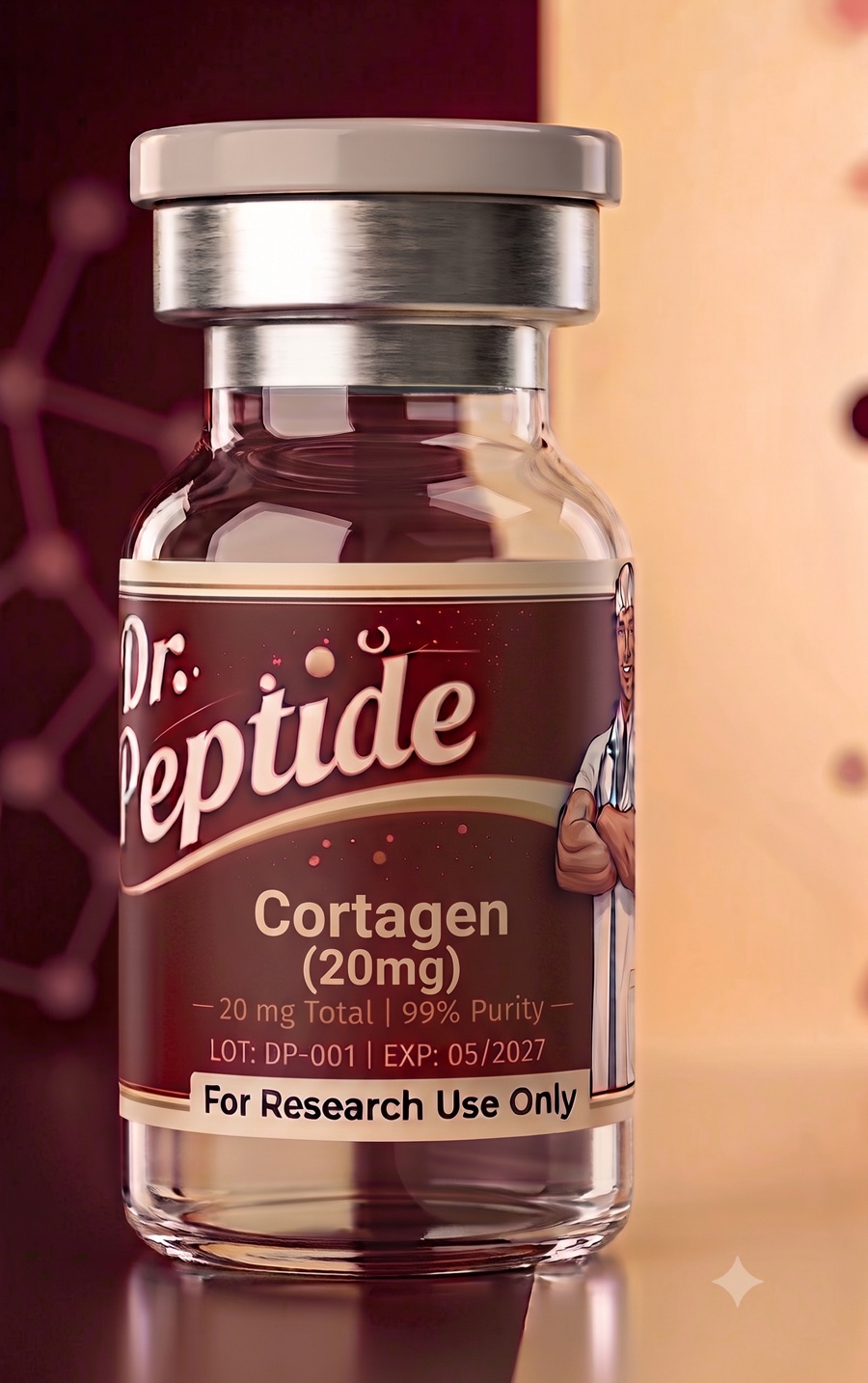
Cortagen (20mg)
Research overview
Cortagen is a synthetic tetrapeptide of the bioregulator class. It is discussed in research literature on tissue-culture models. This vial supplies 20mg of lyophilized Cortagen, sealed and supplied strictly for in-vitro laboratory research — not for human or veterinary use. Published studies →
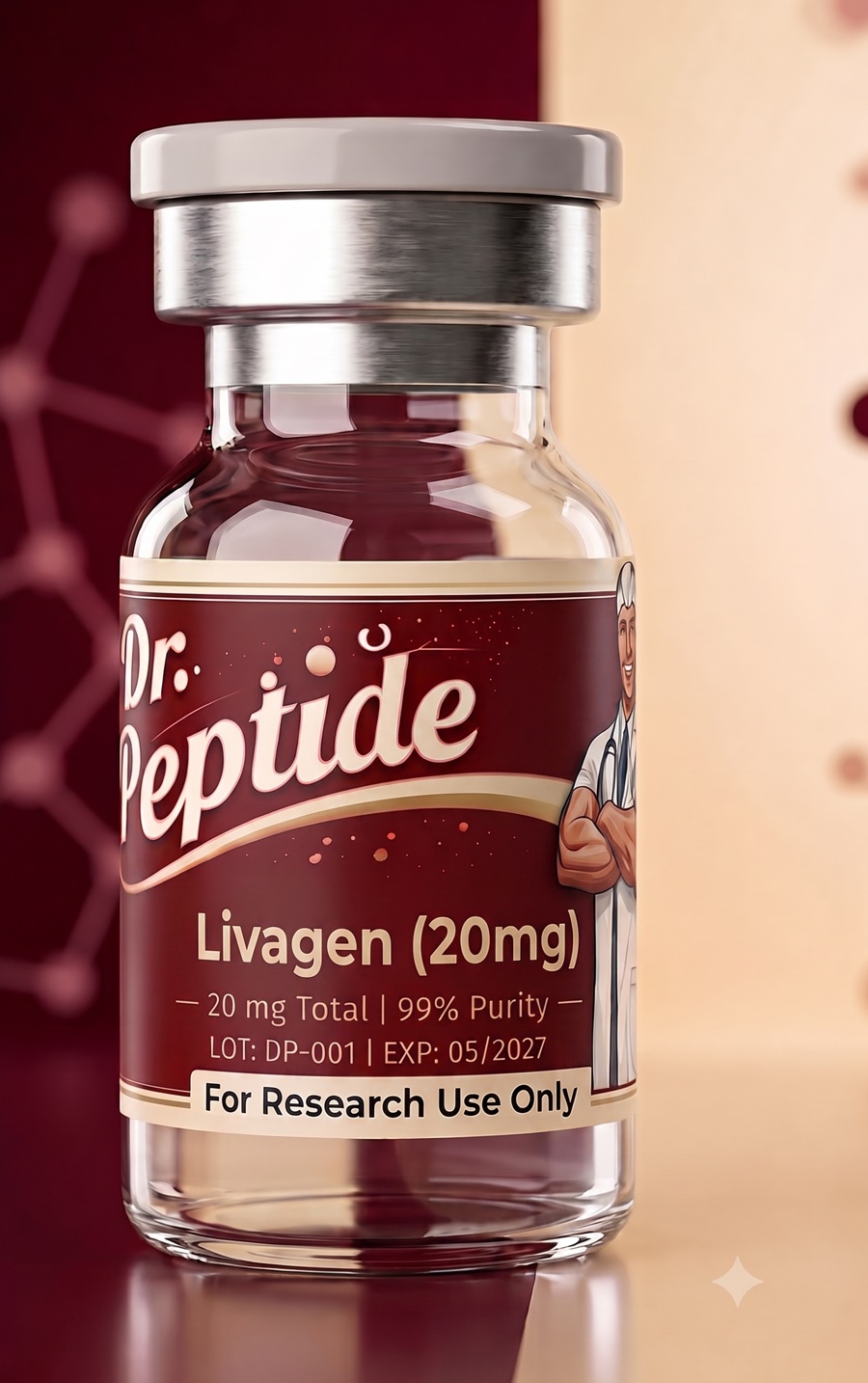
Livagen (20mg)
Research overview
Livagen is a synthetic tetrapeptide of the bioregulator class. It appears in published research on hepatic cell models. This vial supplies 20mg of lyophilized Livagen, sealed and supplied strictly for in-vitro laboratory research — not for human or veterinary use. Published studies →
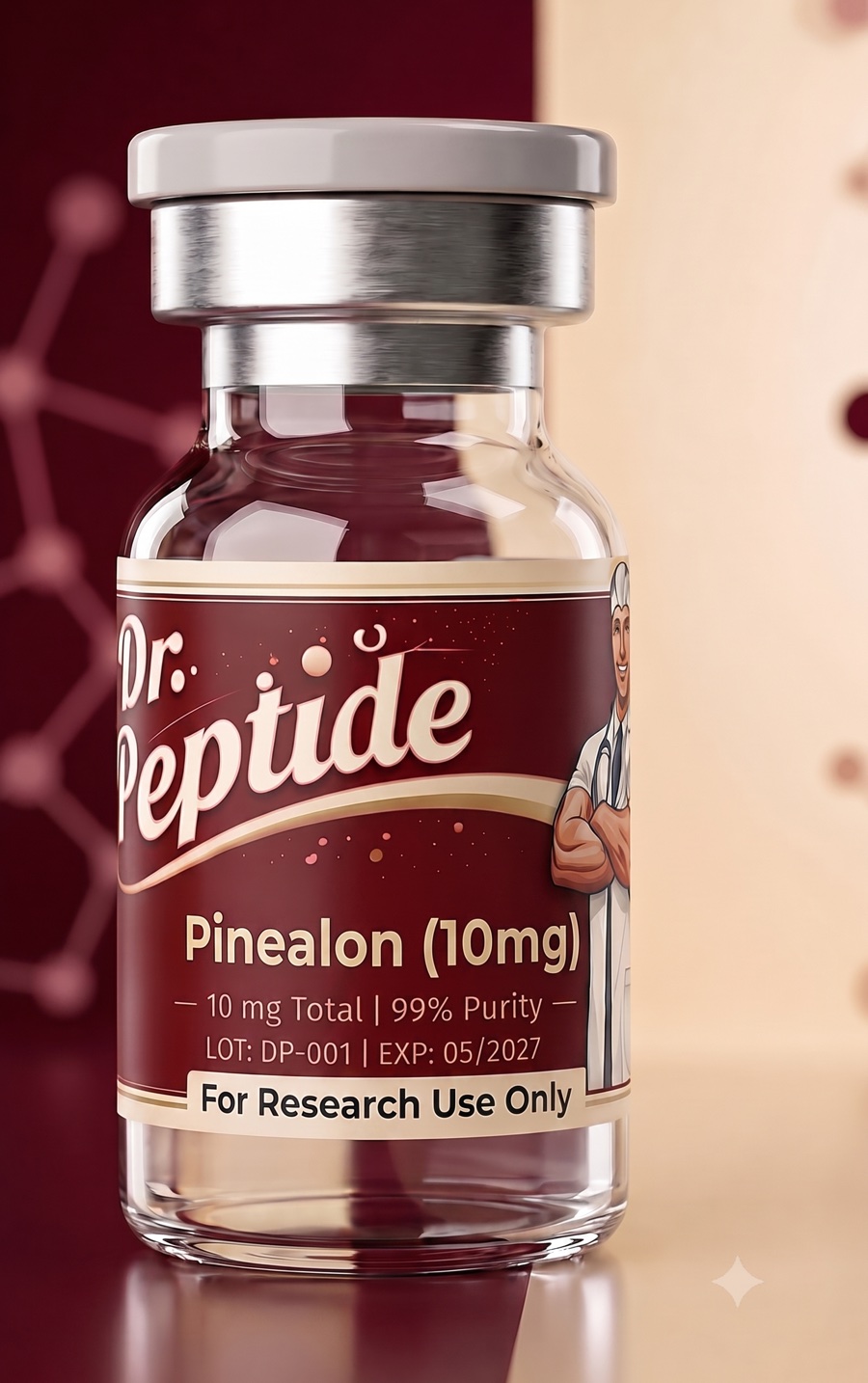
Pinealon (10mg)
Research overview
Pinealon is a synthetic tripeptide (Glu-Asp-Arg) of the bioregulator class. It is examined in published neurobiology research. This vial supplies 10mg of lyophilized Pinealon, sealed and supplied strictly for in-vitro laboratory research — not for human or veterinary use. Published studies →
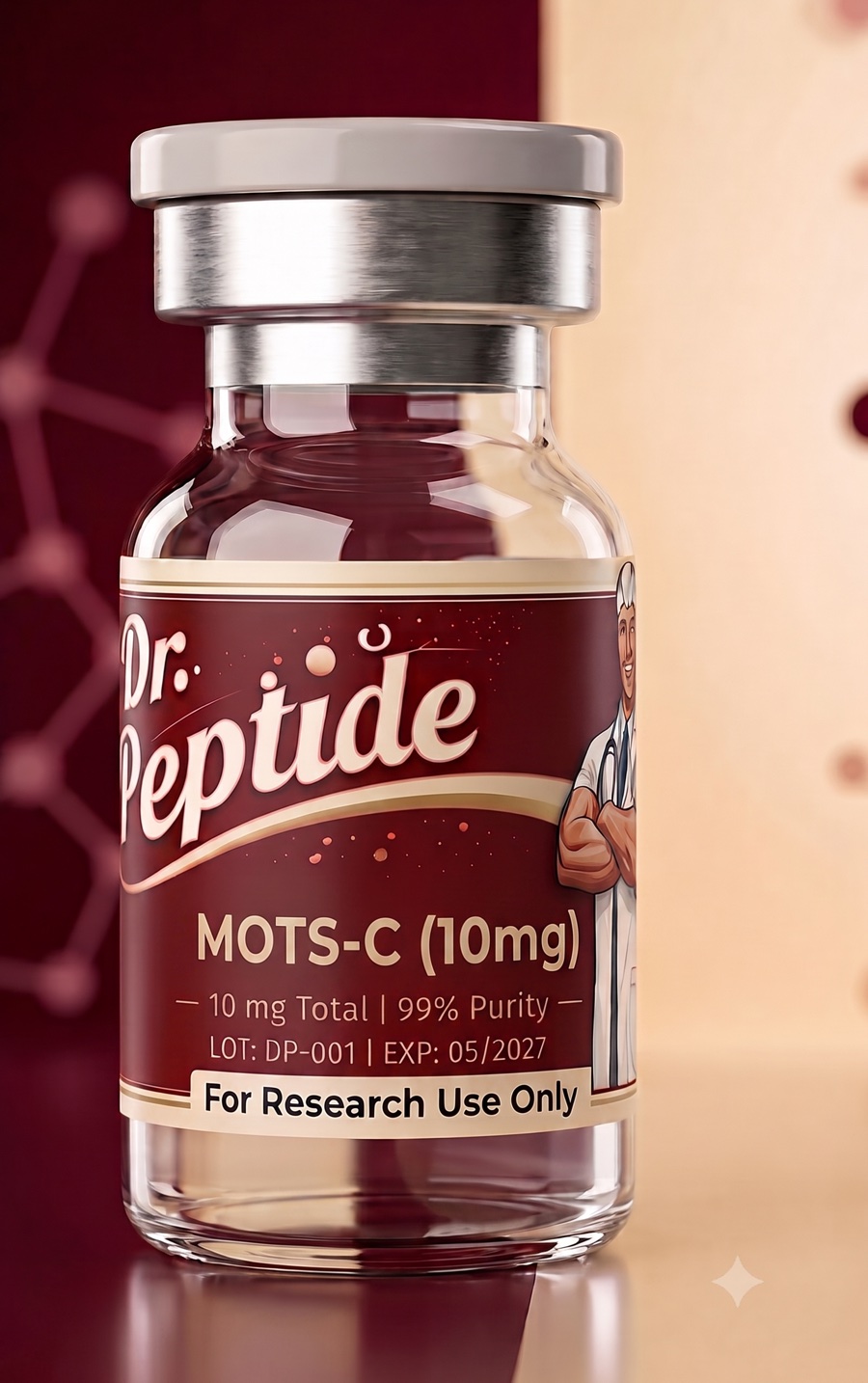
MOTS-C (10mg)
Research overview
MOTS-C is a mitochondrial-derived peptide encoded within the 12S rRNA region of mitochondrial DNA. It appears in published research on cellular metabolism and exercise physiology models. This vial supplies 10mg of lyophilized MOTS-C, sealed and supplied strictly for in-vitro laboratory research — not for human or veterinary use. Published studies →
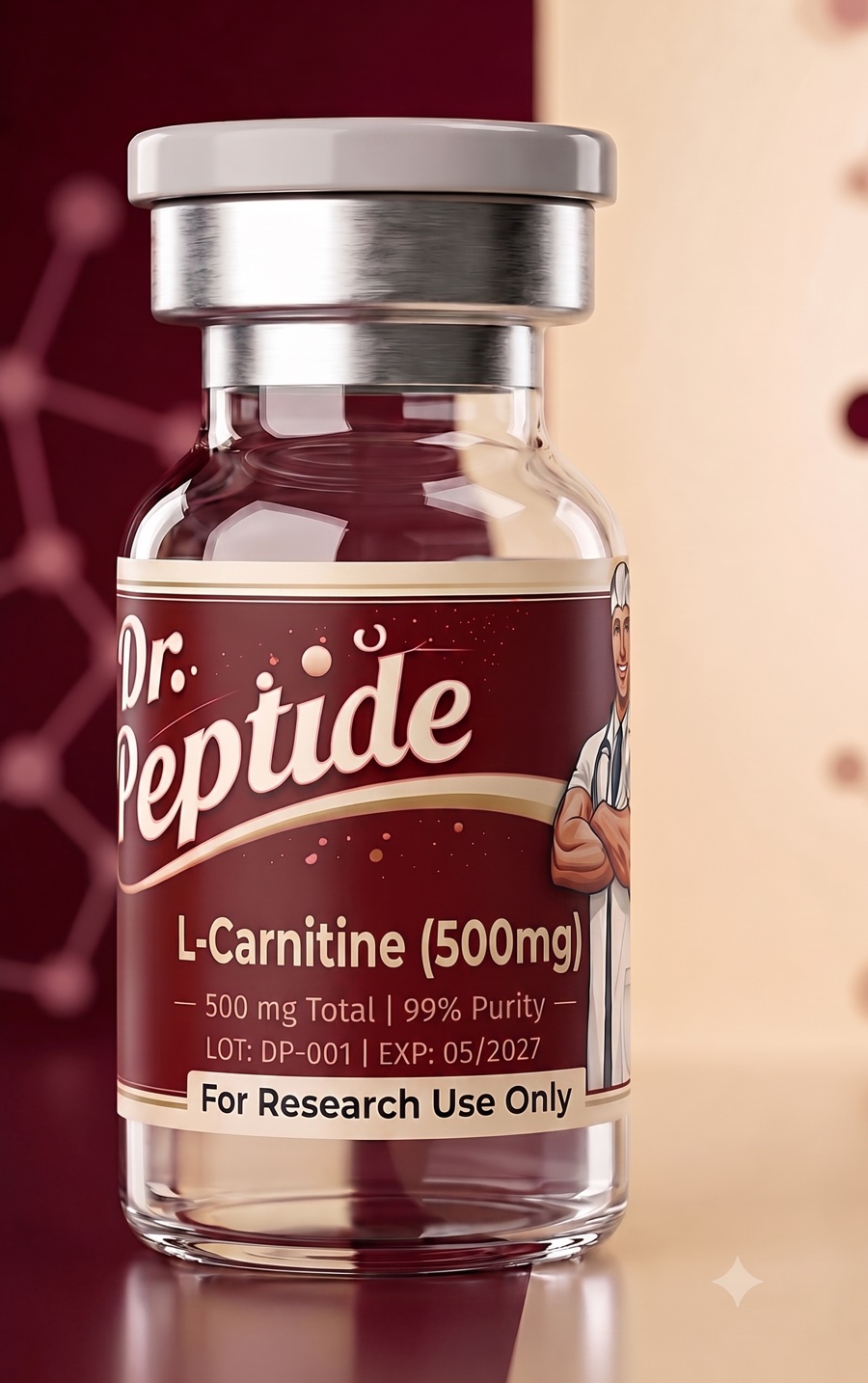
L-Carnitine (500mg)
Research overview
L-Carnitine is a naturally occurring quaternary ammonium compound involved in fatty-acid transport into mitochondria. It has a large published literature in mitochondrial-metabolism research. This vial supplies 500mg of lyophilized L-Carnitine, sealed and supplied strictly for in-vitro laboratory research — not for human or veterinary use. Published studies →
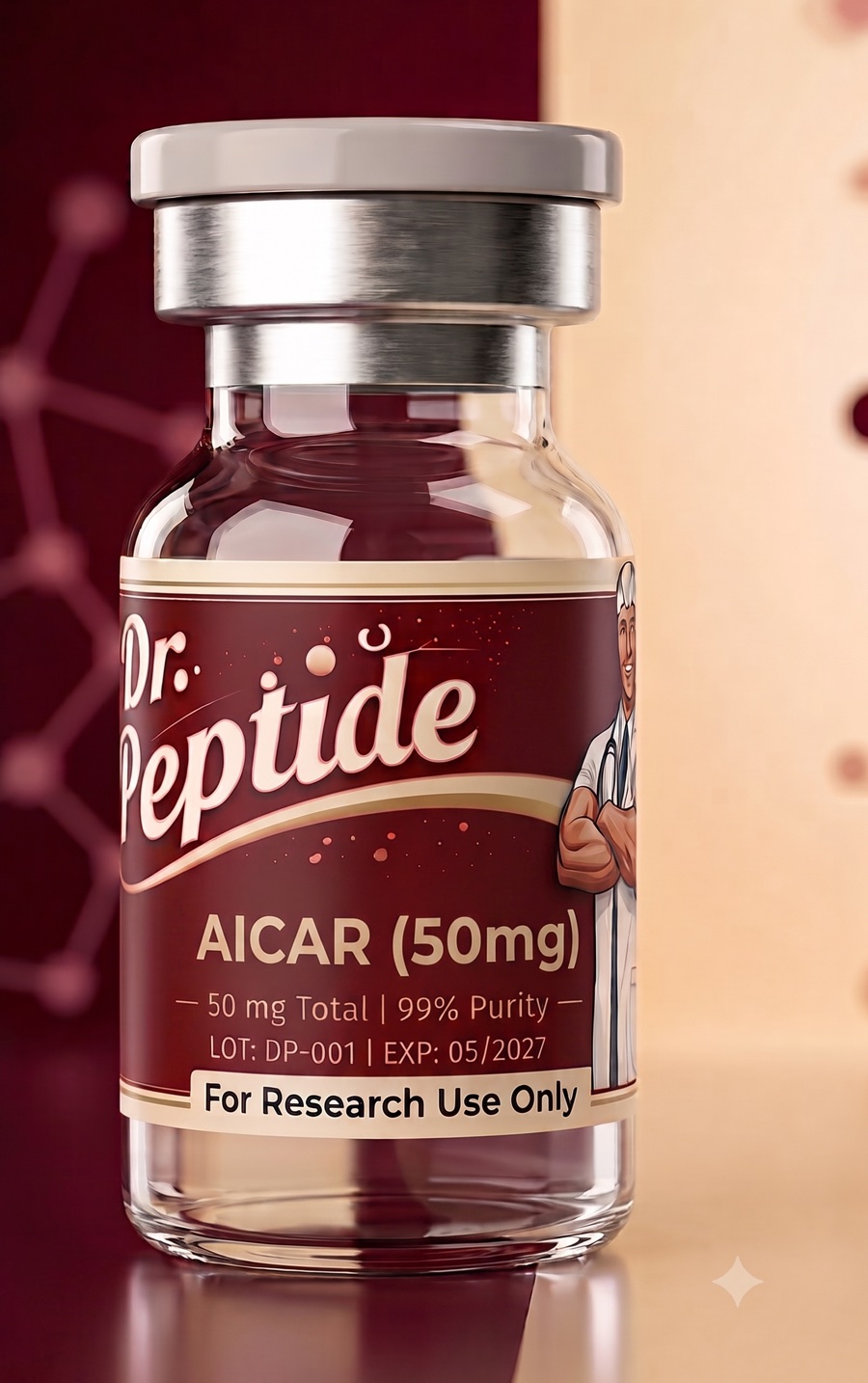
AICAR (50mg)
Research overview
AICAR is an analog of AMP that activates AMP-activated protein kinase (AMPK) in cell models. It is a standard tool compound in published cellular-energy-signaling research. This vial supplies 50mg of lyophilized AICAR, sealed and supplied strictly for in-vitro laboratory research — not for human or veterinary use. Published studies →
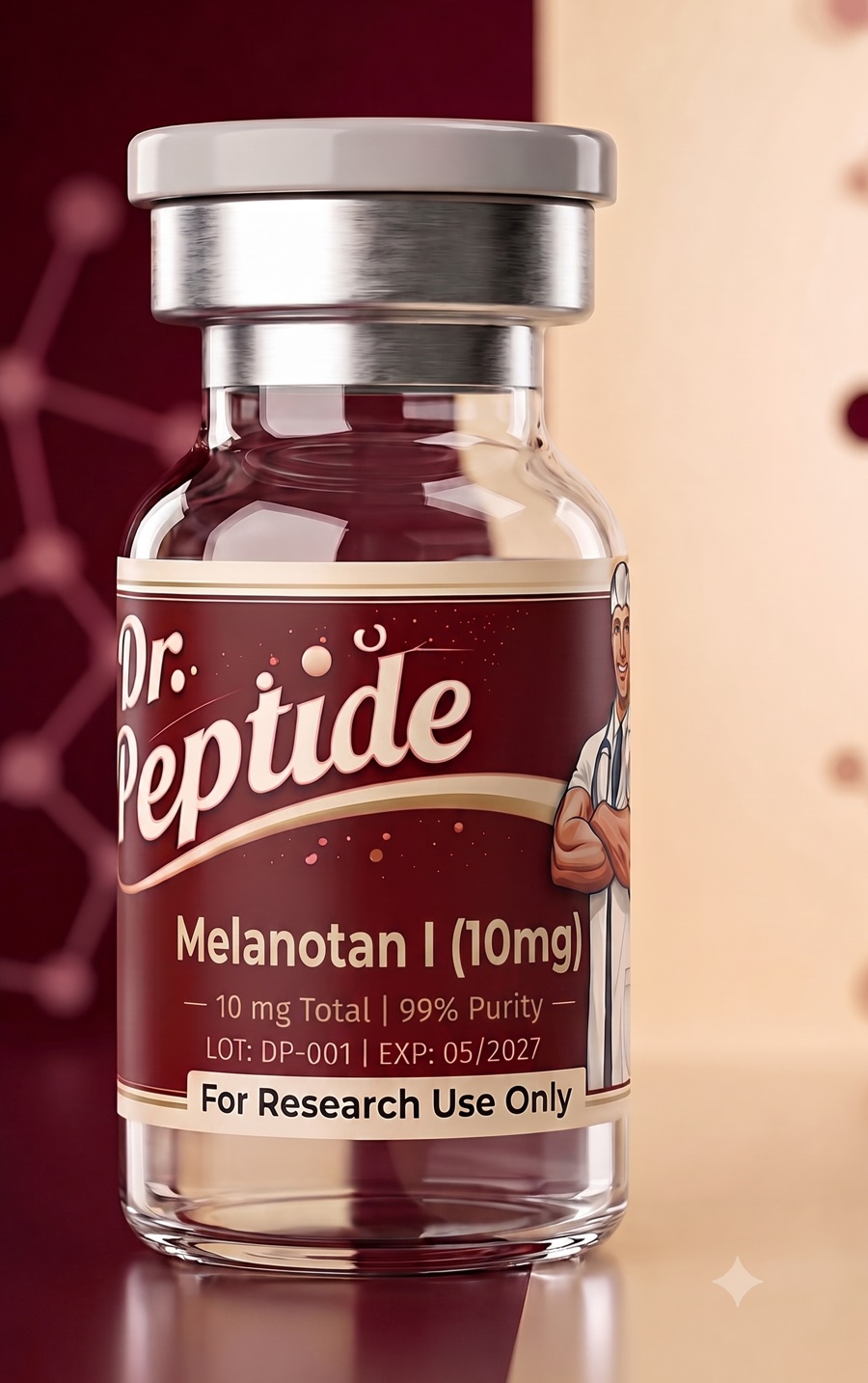
Melanotan I (10mg)
Research overview
Melanotan I is a linear synthetic analog of alpha-melanocyte-stimulating hormone. It appears in published melanogenesis research. This vial supplies 10mg of lyophilized Melanotan I, sealed and supplied strictly for in-vitro laboratory research — not for human or veterinary use. Published studies →
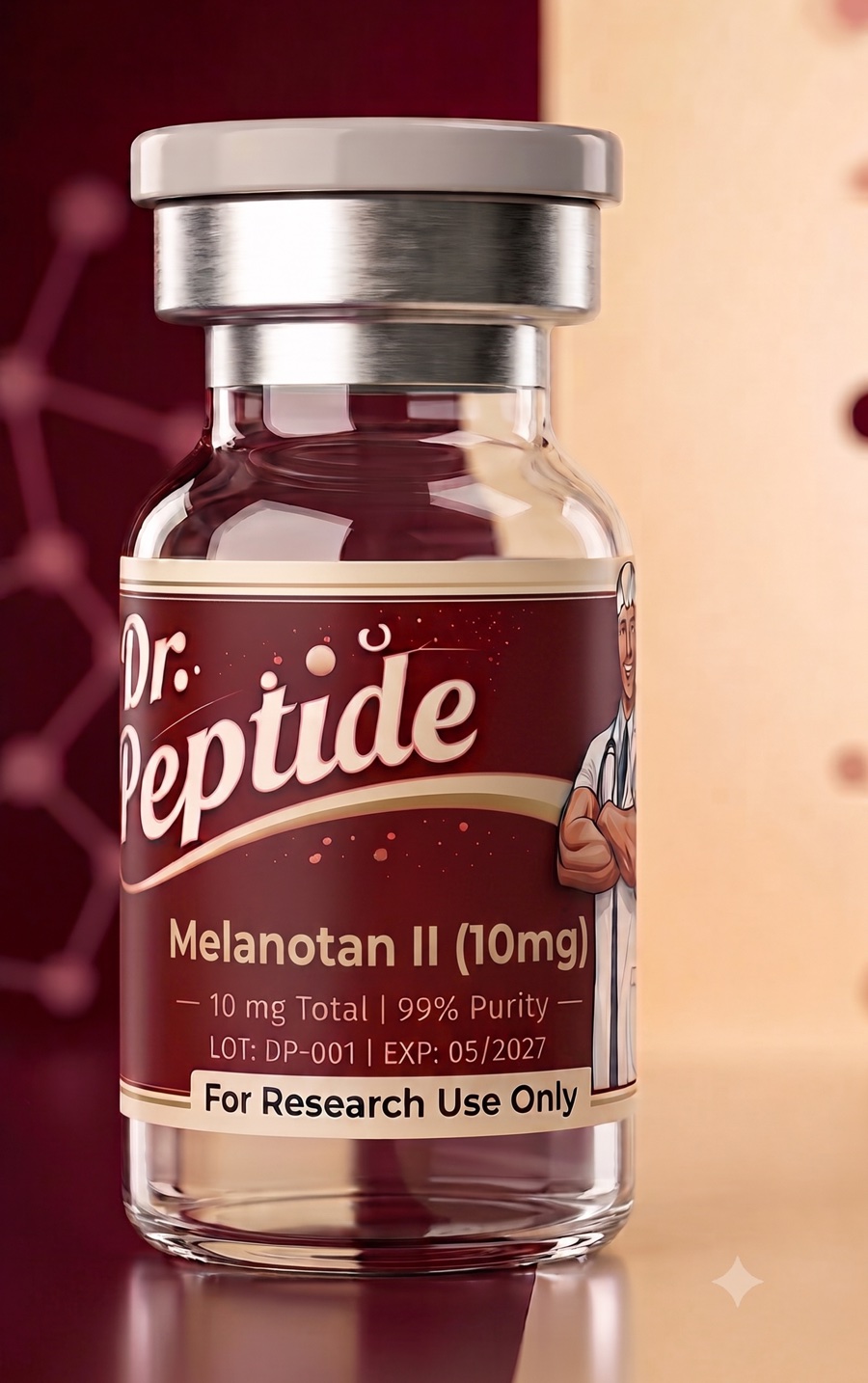
Melanotan II (10mg)
Research overview
Melanotan II is a cyclic synthetic analog of alpha-melanocyte-stimulating hormone. It is studied in published melanocortin-receptor research. This vial supplies 10mg of lyophilized Melanotan II, sealed and supplied strictly for in-vitro laboratory research — not for human or veterinary use. Published studies →
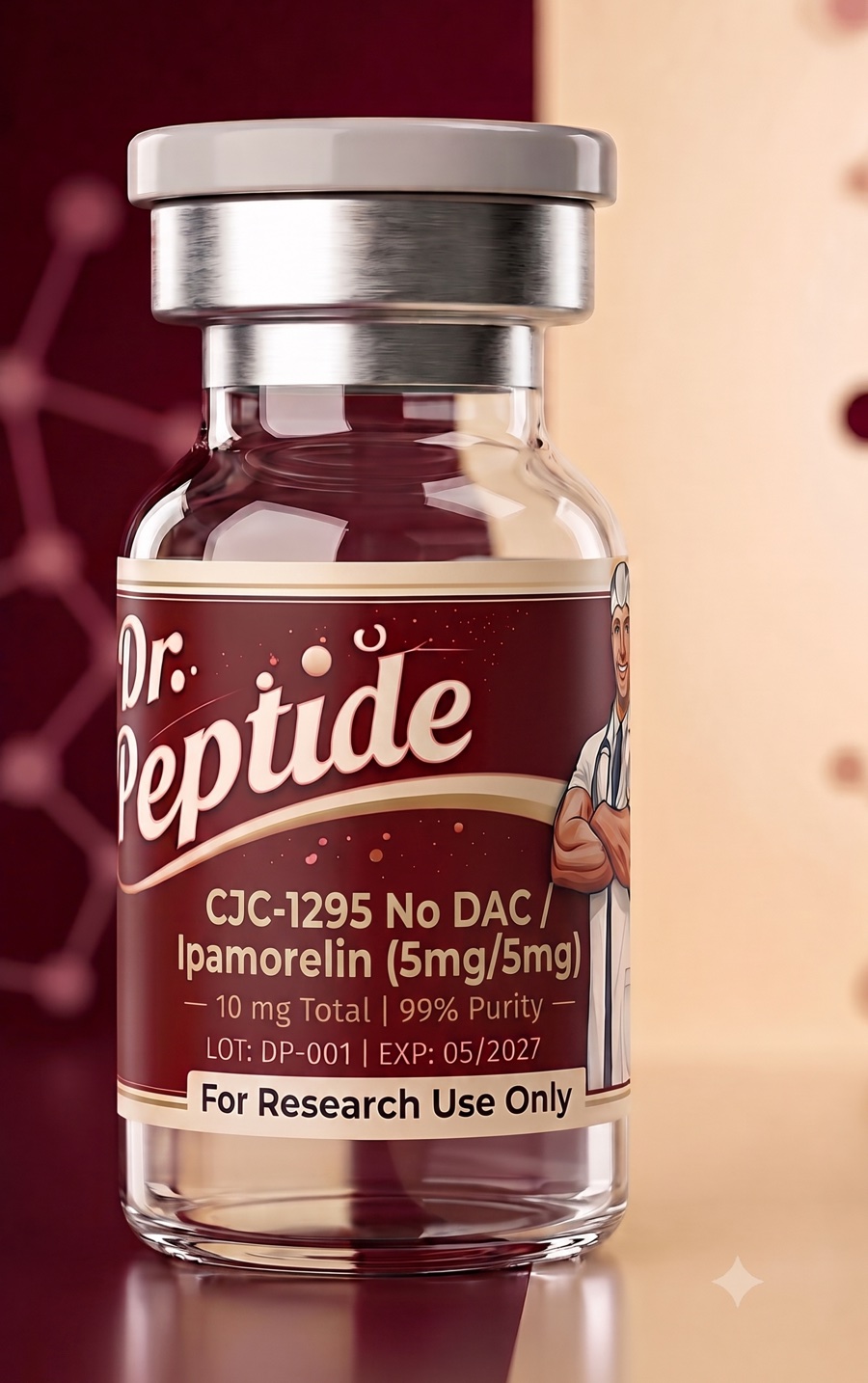
Blend: CJC-1295 No DAC (5mg) / Ipamorelin (5mg)
Research overview
A combination research vial containing CJC-1295, Ipamorelin at 5mg of each peptide. CJC-1295 is a synthetic analog of growth-hormone-releasing hormone (GHRH 1–29). Ipamorelin is a synthetic pentapeptide agonist of the ghrelin (growth-hormone secretagogue) receptor. Each constituent has its own body of peer-reviewed literature; all components are supplied lyophilized in a sealed vial, strictly for laboratory research use. Published studies →
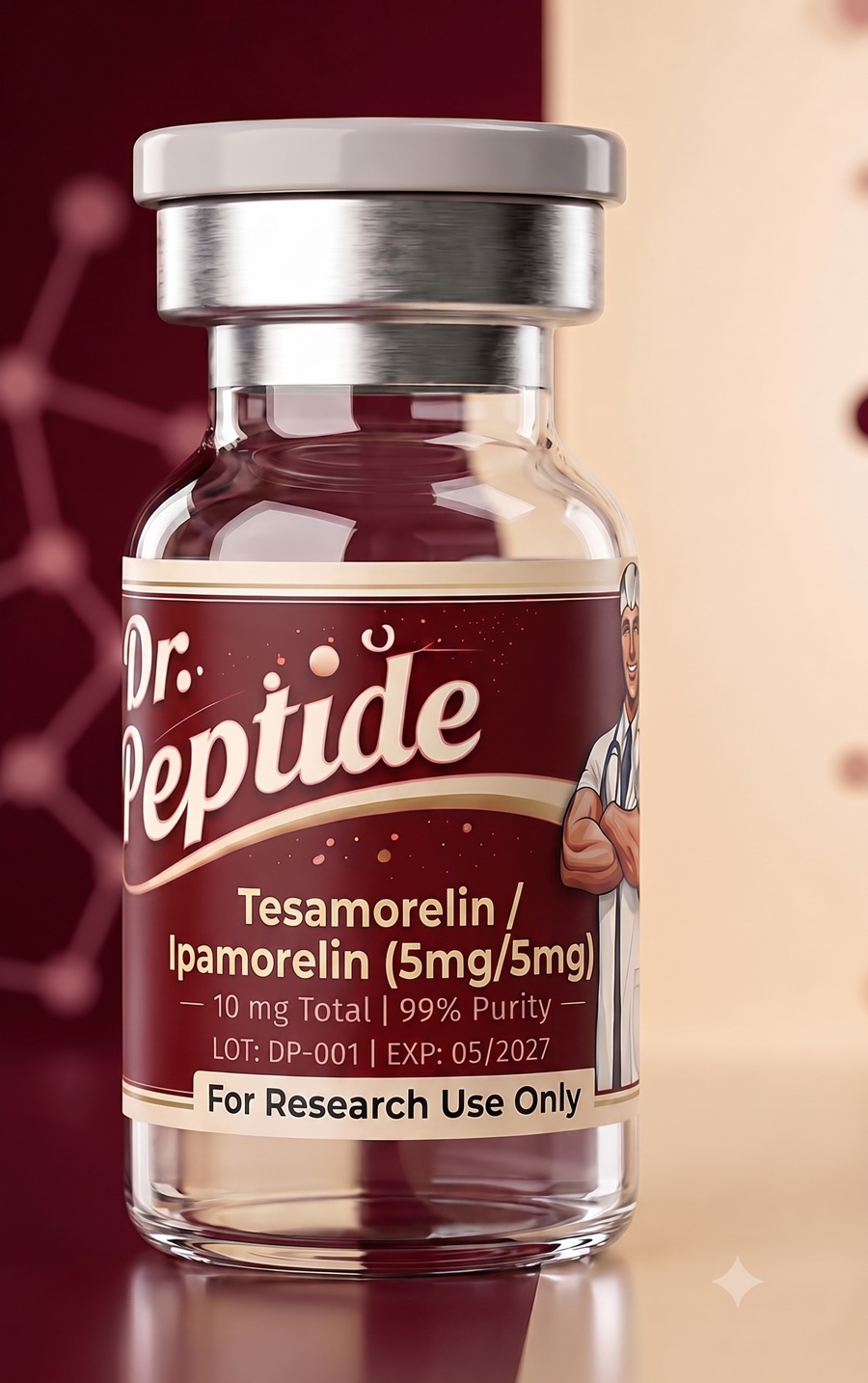
Blend: Tesamorelin (5mg) / Ipamorelin (5mg)
Research overview
A combination research vial containing Tesamorelin, Ipamorelin at 5mg of each peptide. Tesamorelin is a stabilized synthetic analog of growth-hormone-releasing hormone (GHRH). Ipamorelin is a synthetic pentapeptide agonist of the ghrelin (growth-hormone secretagogue) receptor. Each constituent has its own body of peer-reviewed literature; all components are supplied lyophilized in a sealed vial, strictly for laboratory research use. Published studies →
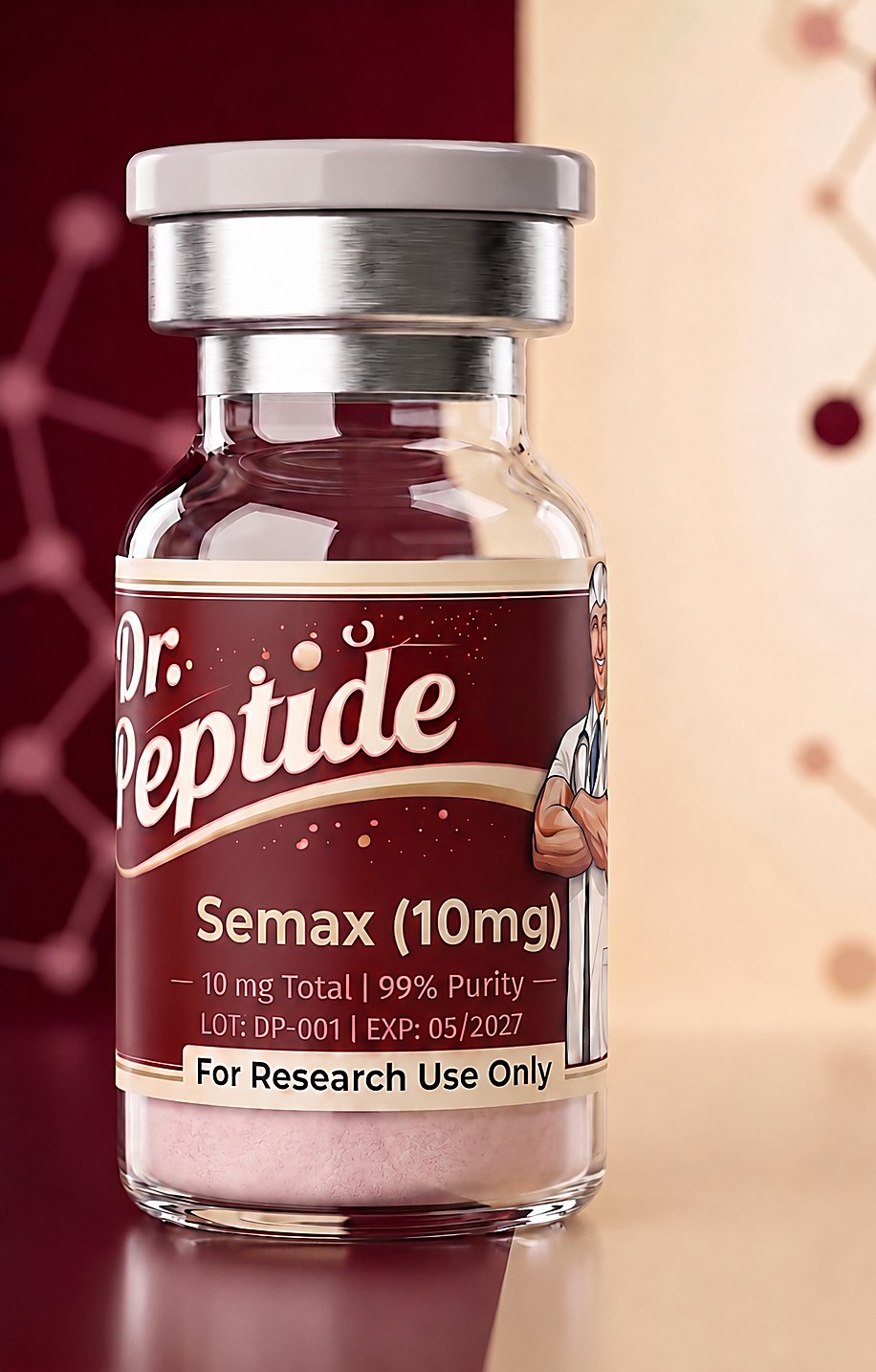
Semax (10mg)
Research overview
Semax is a synthetic heptapeptide analog of the ACTH(4–10) fragment. It features in published neuropeptide research. This vial supplies 10mg of lyophilized Semax, sealed and supplied strictly for in-vitro laboratory research — not for human or veterinary use. Published studies →
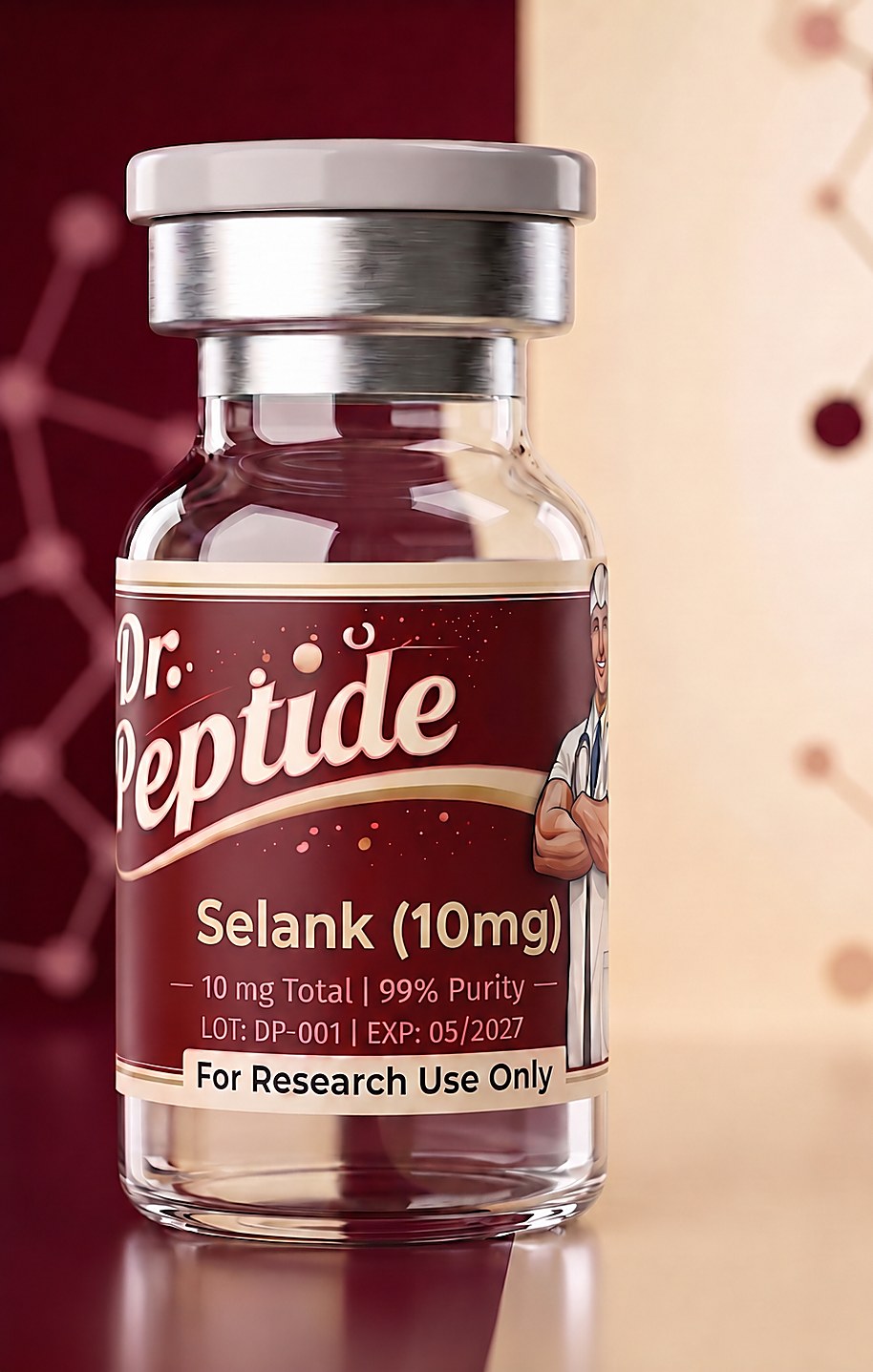
Selank (10mg)
Research overview
Selank is a synthetic heptapeptide analog of the immunomodulatory peptide tuftsin. It appears in peer-reviewed neuropeptide literature. This vial supplies 10mg of lyophilized Selank, sealed and supplied strictly for in-vitro laboratory research — not for human or veterinary use. Published studies →
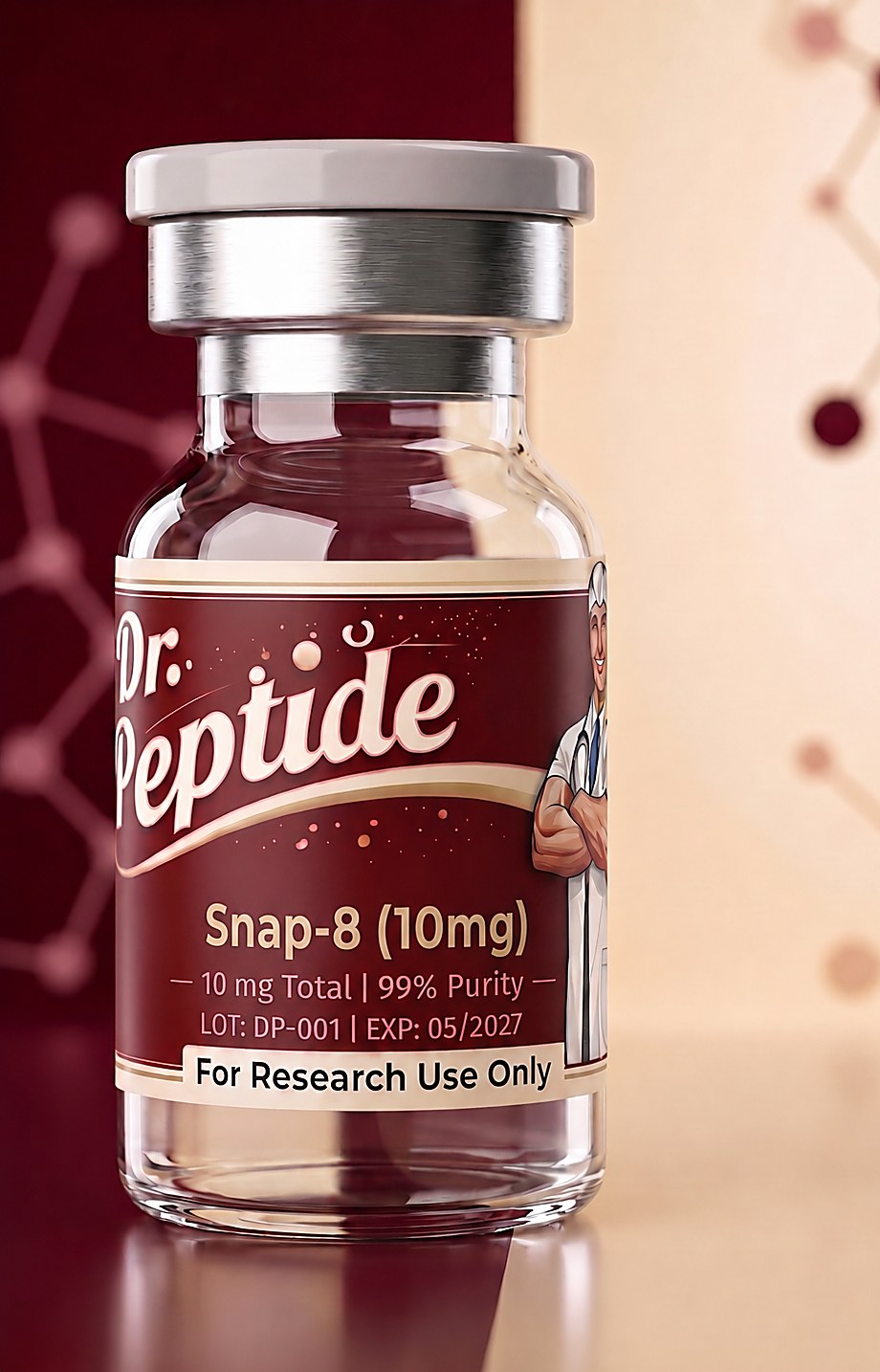
SNAP-8 (10mg)
Research overview
SNAP-8 is an acetylated octapeptide studied as a fragment mimic in SNARE-complex research. It is discussed in published cosmetic-science literature. This vial supplies 10mg of lyophilized SNAP-8, sealed and supplied strictly for in-vitro laboratory research — not for human or veterinary use. Published studies →
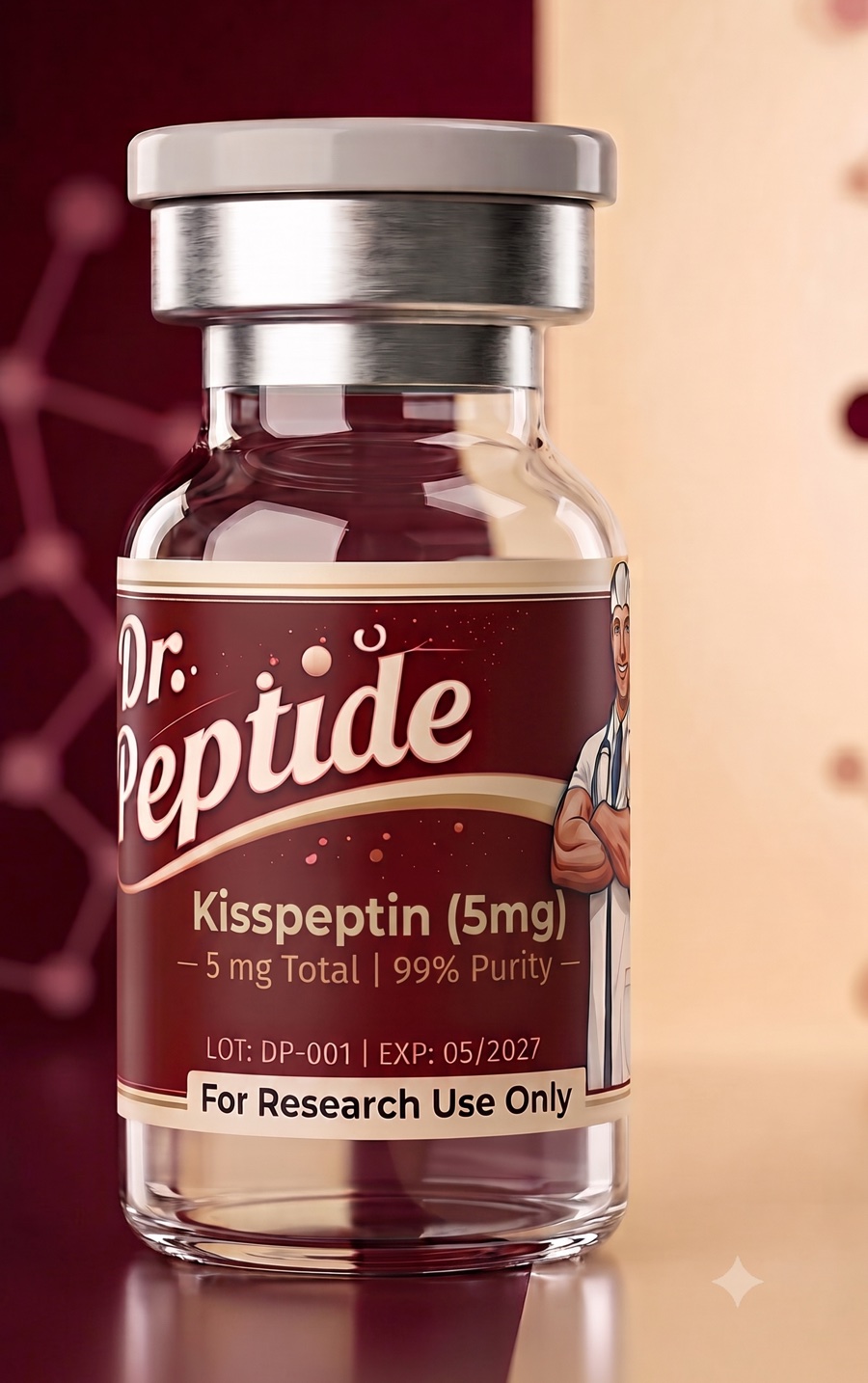
Kisspeptin (5mg)
Research overview
Kisspeptin is a peptide encoded by the KISS1 gene. It is central to published reproductive-endocrinology research. This vial supplies 5mg of lyophilized Kisspeptin, sealed and supplied strictly for in-vitro laboratory research — not for human or veterinary use. Published studies →
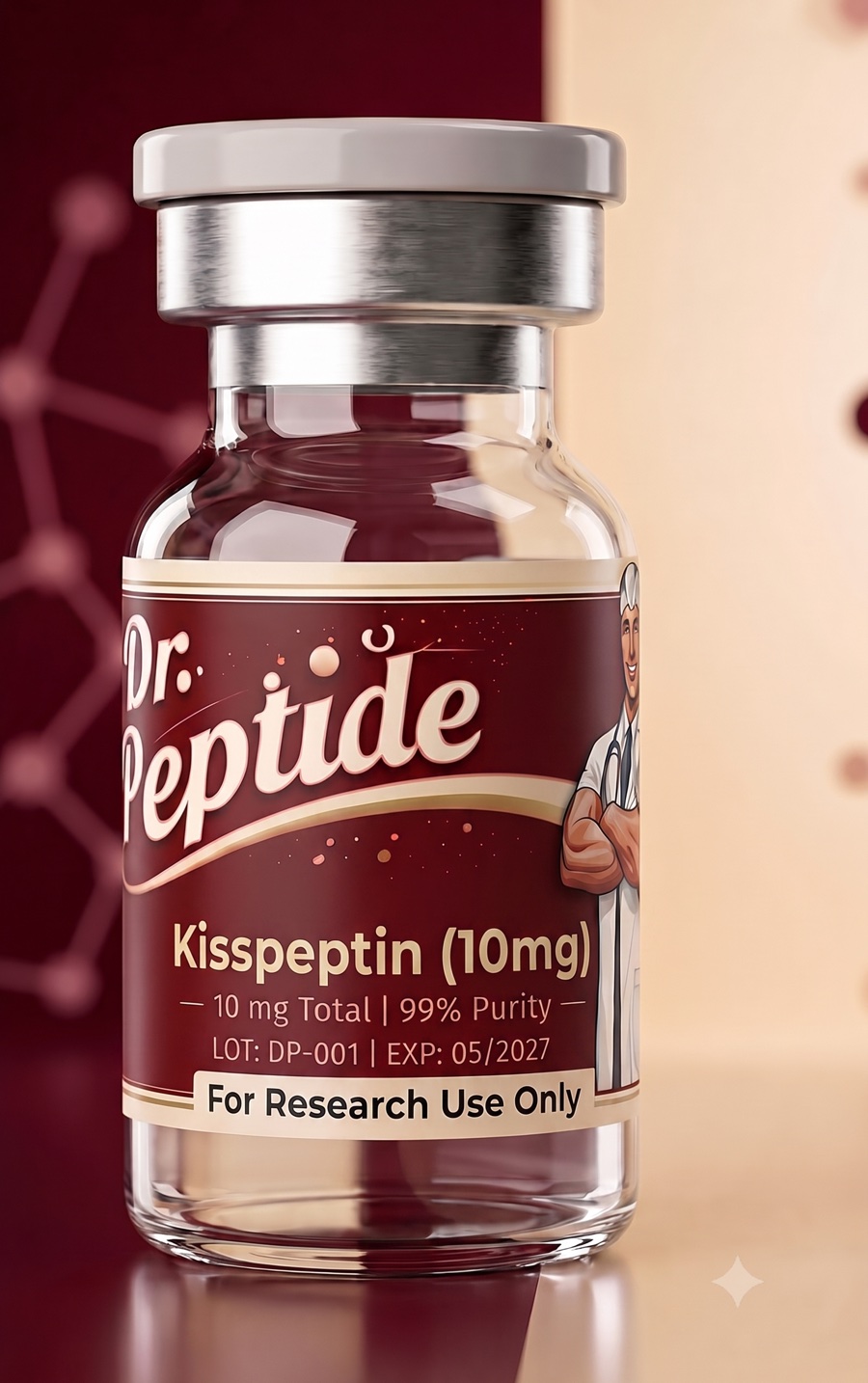
Kisspeptin (10mg)
Research overview
Kisspeptin is a peptide encoded by the KISS1 gene. It is central to published reproductive-endocrinology research. This vial supplies 10mg of lyophilized Kisspeptin, sealed and supplied strictly for in-vitro laboratory research — not for human or veterinary use. Published studies →
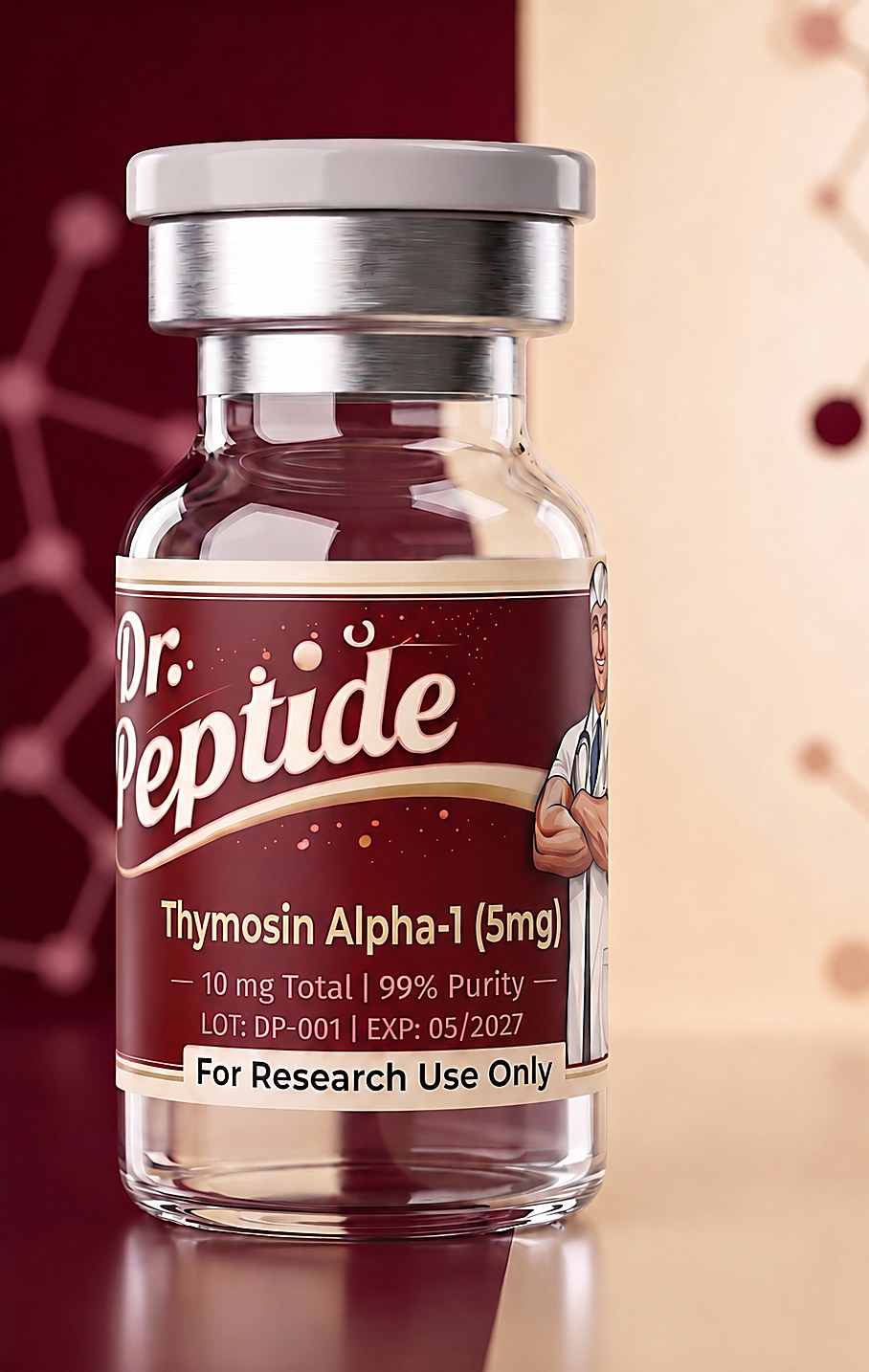
Thymosin Alpha-1 (5mg)
Research overview
Thymosin Alpha-1 is a 28-amino-acid peptide originally isolated from thymic tissue. It has a substantial peer-reviewed literature in immunology research. This vial supplies 5mg of lyophilized Thymosin Alpha-1, sealed and supplied strictly for in-vitro laboratory research — not for human or veterinary use. Published studies →
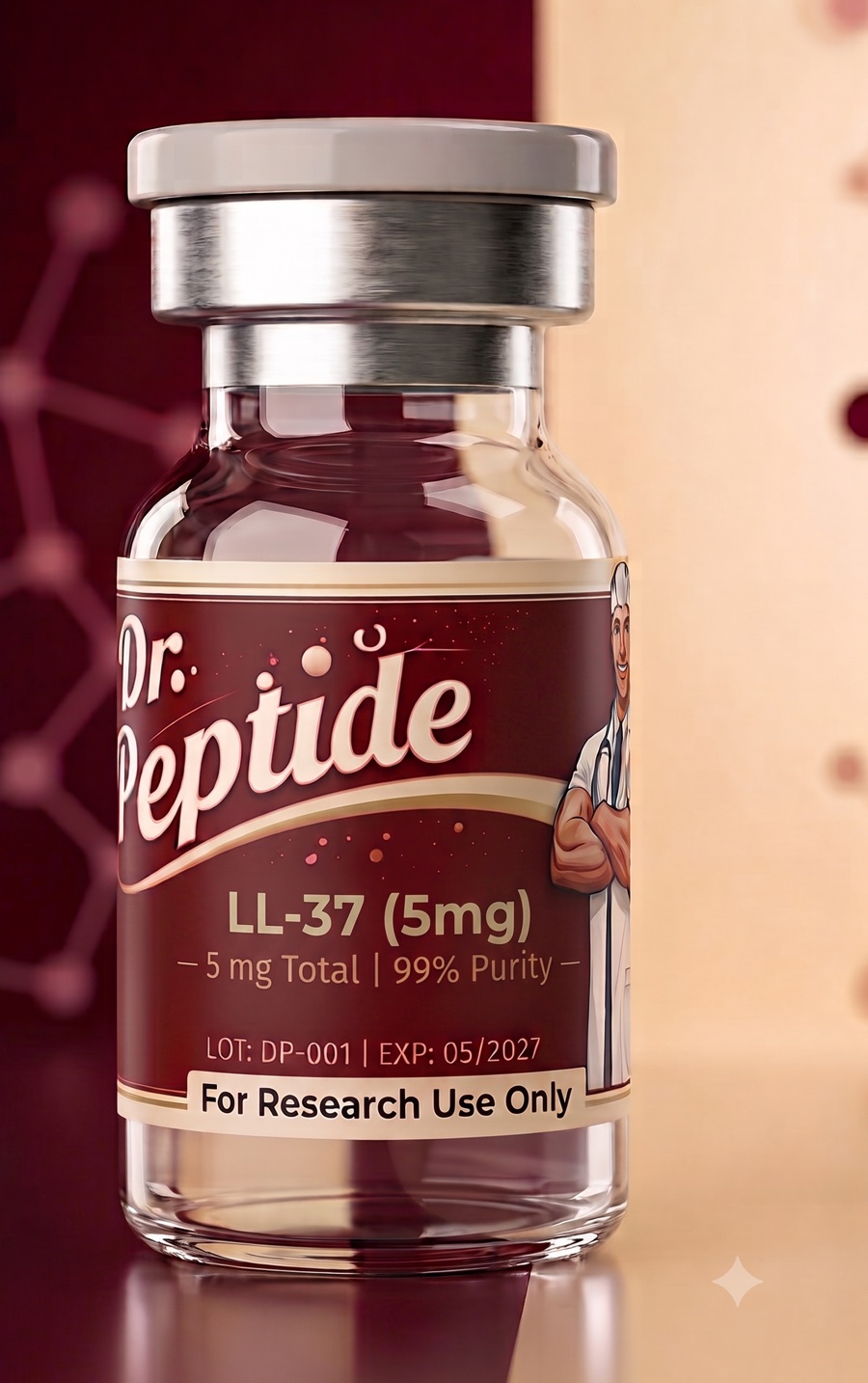
LL-37 (5mg)
Research overview
LL-37 is the sole human cathelicidin antimicrobial peptide. It is widely studied in published innate-immunity research. This vial supplies 5mg of lyophilized LL-37, sealed and supplied strictly for in-vitro laboratory research — not for human or veterinary use. Published studies →
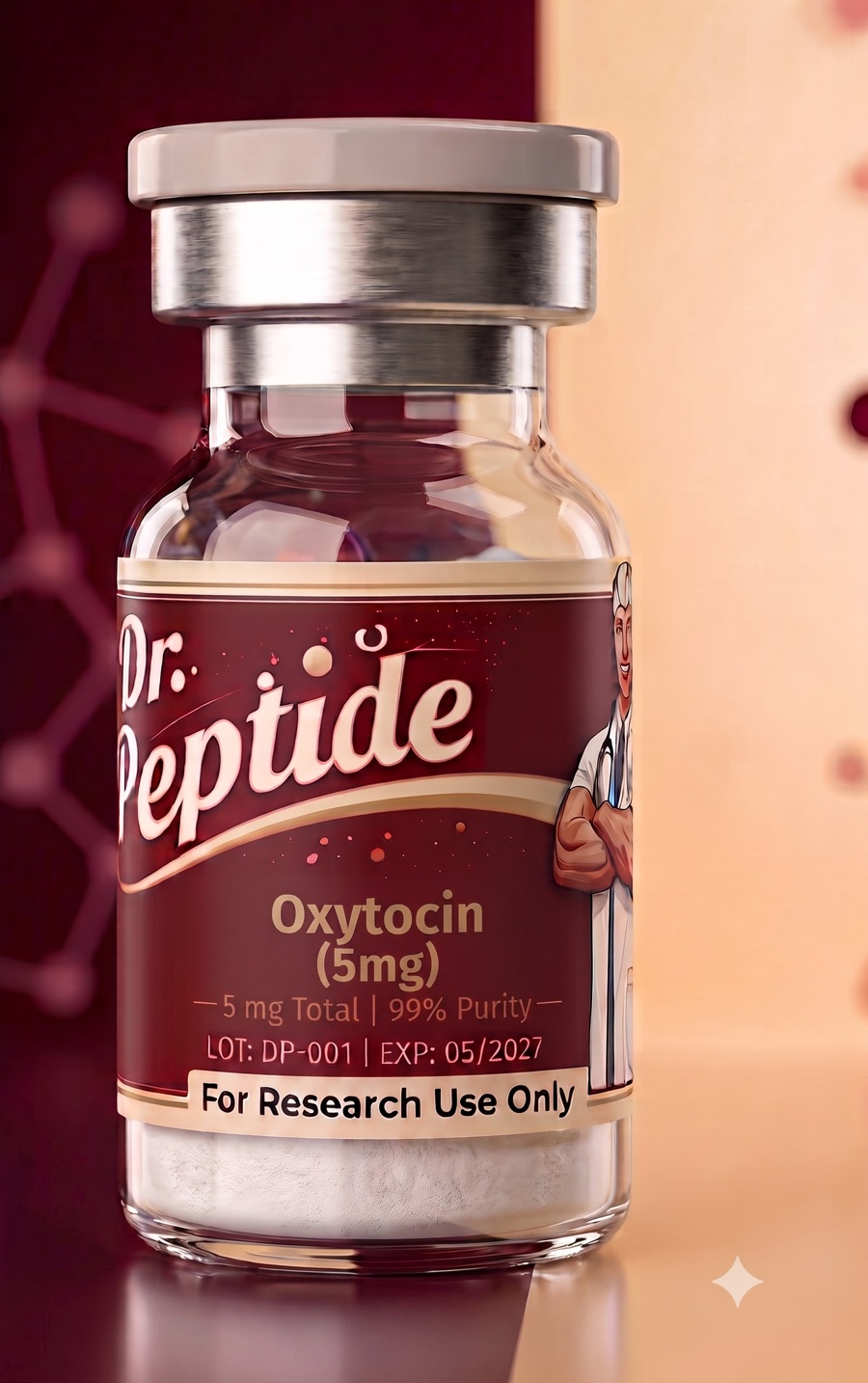
Oxytocin (5mg)
Research overview
Oxytocin is a naturally occurring nonapeptide hormone. It has one of the largest published literatures of any peptide, spanning neuroendocrine research. This vial supplies 5mg of lyophilized Oxytocin, sealed and supplied strictly for in-vitro laboratory research — not for human or veterinary use. Published studies →
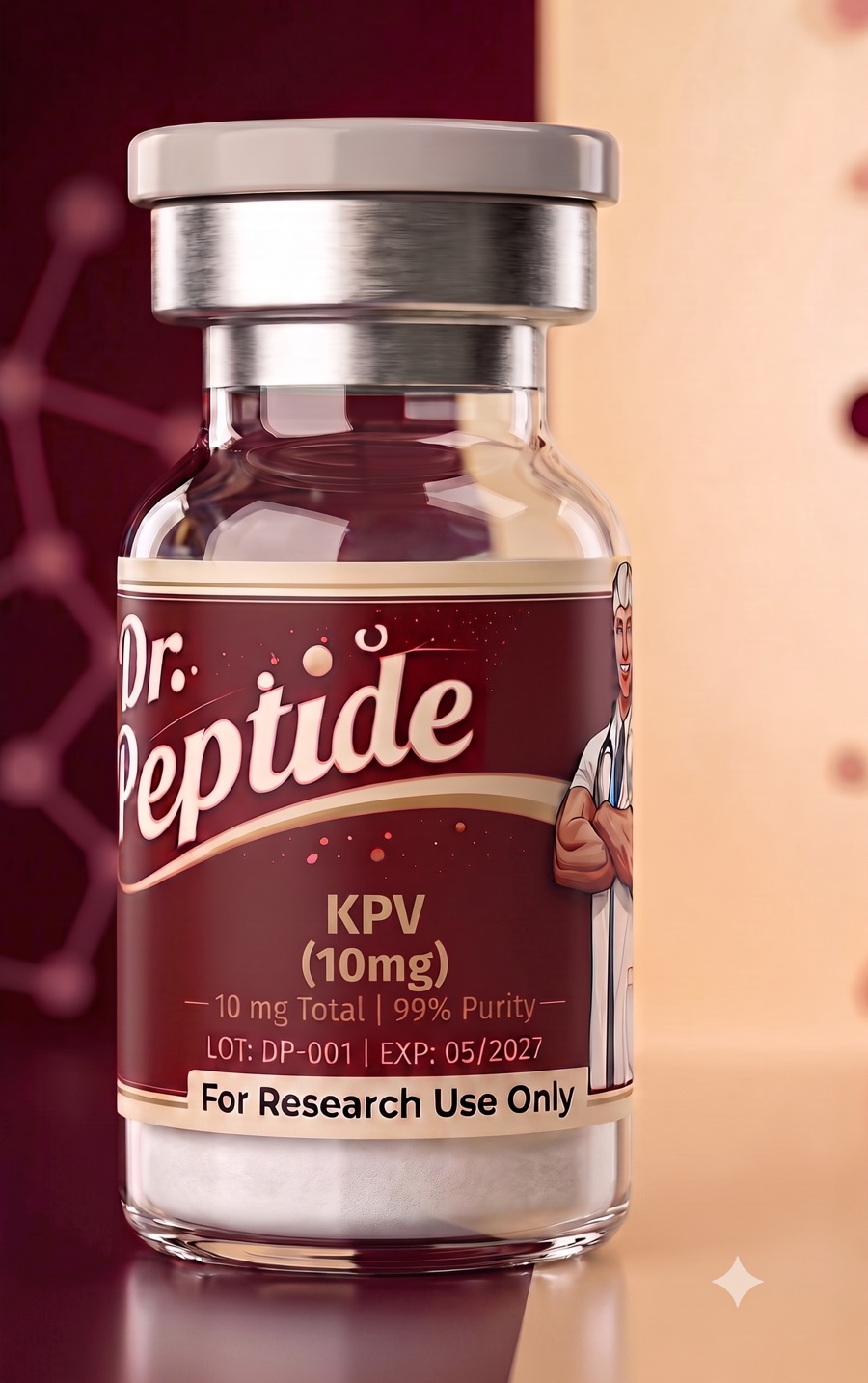
KPV (10mg)
Research overview
KPV is a tripeptide corresponding to the C-terminal fragment of alpha-MSH. It appears in peer-reviewed research on inflammation-signaling pathways. This vial supplies 10mg of lyophilized KPV, sealed and supplied strictly for in-vitro laboratory research — not for human or veterinary use. Published studies →
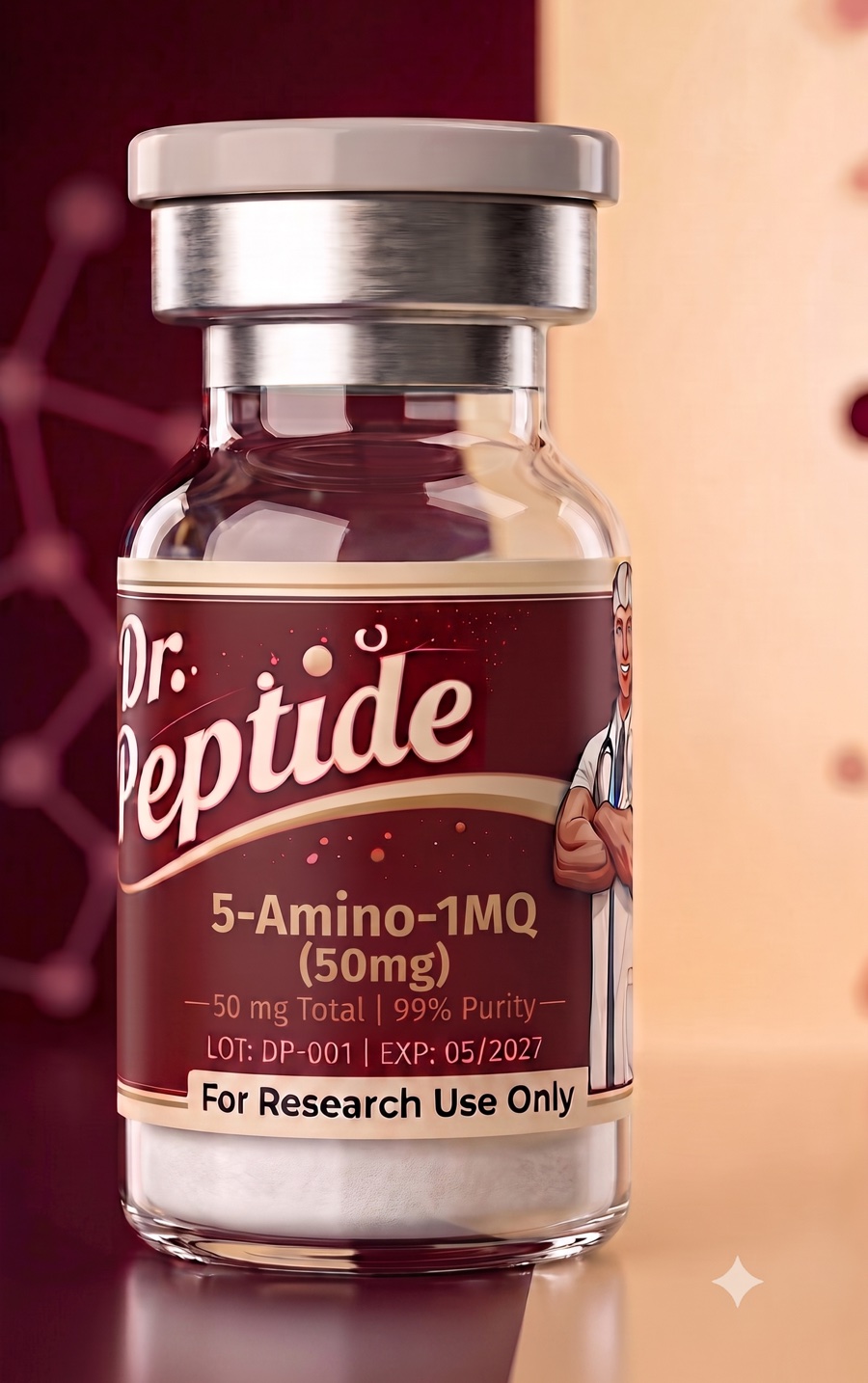
5-Amino-1MQ (50mg)
Research overview
5-Amino-1MQ is a small-molecule inhibitor of the enzyme nicotinamide N-methyltransferase (NNMT). It appears in published cellular-metabolism research. This vial supplies 50mg of lyophilized 5-Amino-1MQ, sealed and supplied strictly for in-vitro laboratory research — not for human or veterinary use. Published studies →
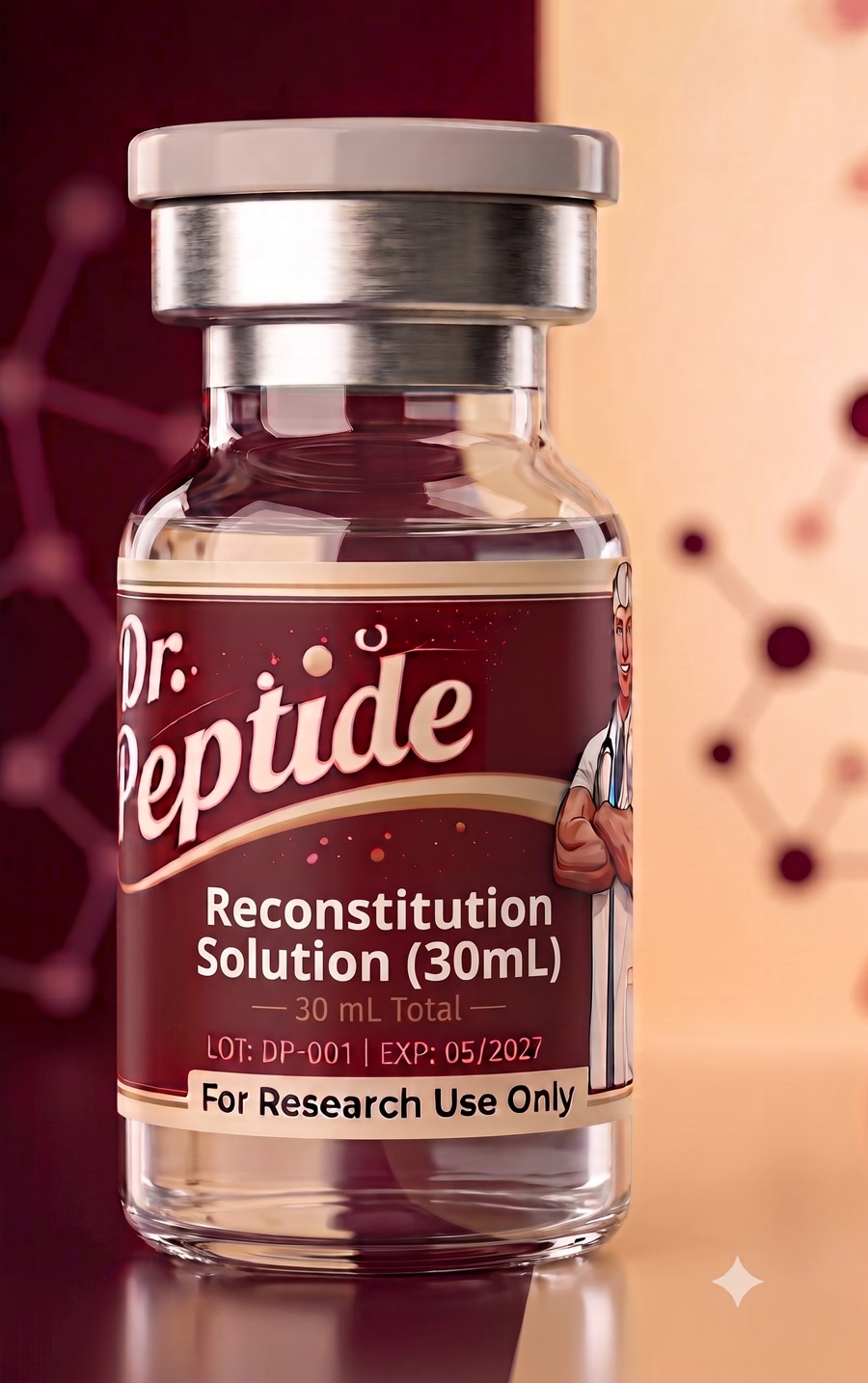
Reconstitution Solution - for Laboratory Use (30mL)
Research overview
Sterile 30mL reconstitution solution for preparing lyophilized research compounds in the laboratory. A standard bench accessory for solubilizing peptides prior to in-vitro work. For laboratory research use only.